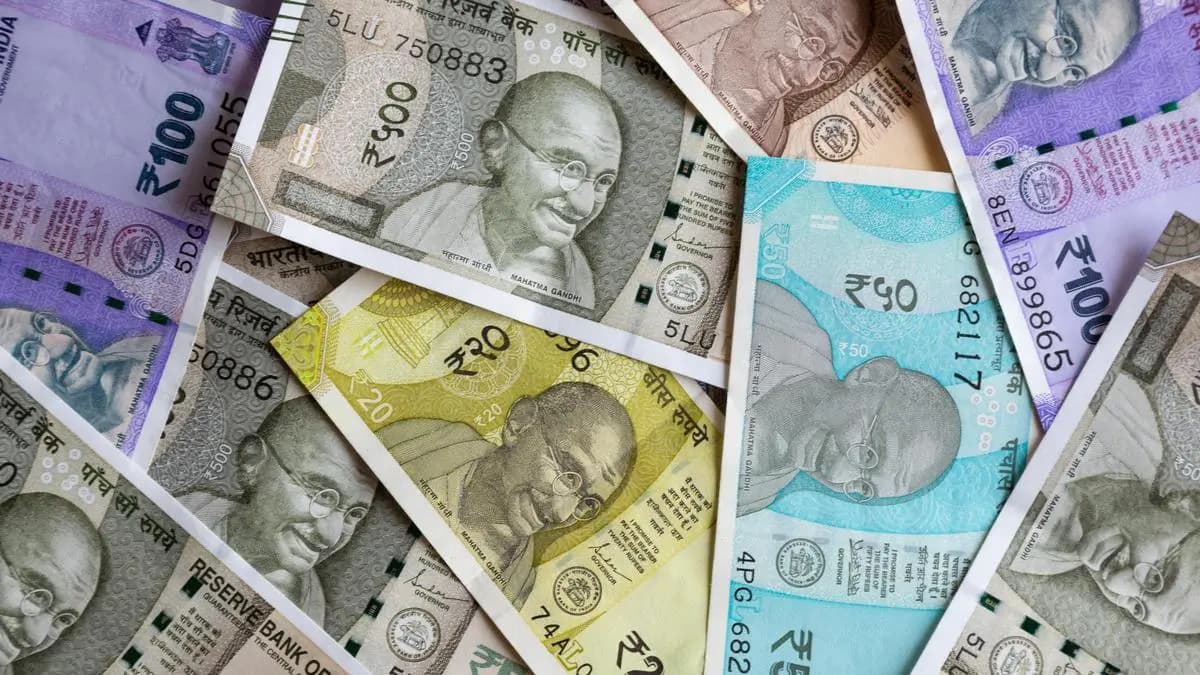
Rupee Slides 34 Paise to 94.12 Against US Dollar in Early Trade
Why It Matters
A weaker rupee raises import costs, squeezes corporate margins and may prompt RBI intervention, while sustained dollar strength could reshape capital flows into emerging markets like India.
Key Takeaways
- •Rupee fell to 94.12 per dollar, fourth consecutive loss
- •Oil prices rose 1.37% to $103.31, pressuring the rupee
- •Foreign investors sold ~Rs 2,078 crore ($250 M) of Indian equities
- •Dollar index climbed to 98.53, reflecting global greenback demand
- •RBI may intervene as rupee breaches psychological 94 level again
Pulse Analysis
The rupee’s slide to 94.12 per dollar reflects a confluence of external shocks that are reshaping India’s foreign‑exchange landscape. Crude‑oil prices surged past $103 a barrel after renewed tensions in the Strait of Hormuz, feeding higher import bills and eroding the currency’s purchasing power. At the same time, a modest uptick in the dollar index signals renewed appetite for the greenback amid global uncertainty, further amplifying pressure on emerging‑market currencies. Together, these forces have prompted foreign institutional investors to withdraw roughly $250 million of equity capital, a move that deepens market volatility and tests domestic liquidity.
For policymakers, the persistent breach of the 94‑per‑dollar threshold raises questions about the Reserve Bank of India’s next steps. Historically, the RBI has employed a mix of market interventions, forward guidance, and short‑term liquidity injections to curb sharp depreciations. However, repeated sell‑offs by overseas investors limit the effectiveness of such tools, especially when broader risk sentiment is sour. The central bank may need to balance rate‑policy adjustments with targeted forex market operations, all while monitoring inflationary pressures that could arise from higher oil‑related input costs.
Investors should view the current environment as a signal to reassess exposure to Indian assets. A weaker rupee can boost export‑oriented earnings but also inflates the cost of debt denominated in dollars, affecting corporate balance sheets. Moreover, the ongoing geopolitical uncertainty in West Asia suggests that oil‑linked volatility will likely persist, keeping the rupee vulnerable to further swings. Diversifying across currencies, focusing on companies with strong hedging practices, and staying attuned to RBI policy cues will be essential strategies for navigating the next phase of the market.
Rupee slides 34 paise to 94.12 against US dollar in early trade
Comments
Want to join the conversation?
Loading comments...