Yen Stays Weak After BoJ Hike as Analysts Eye Intervention Risk
Key Takeaways
- •BoJ raised policy rate 25 bps to 1.00% but yen stayed weak.
- •Short yen positions by leveraged funds surged in past month.
- •Intervention likely if USD/JPY hits 161‑162 zone.
- •Reopened Strait of Hormuz may lower Japan’s import costs.
- •Negative real rates keep yen attractive for carry‑trade funding.
Pulse Analysis
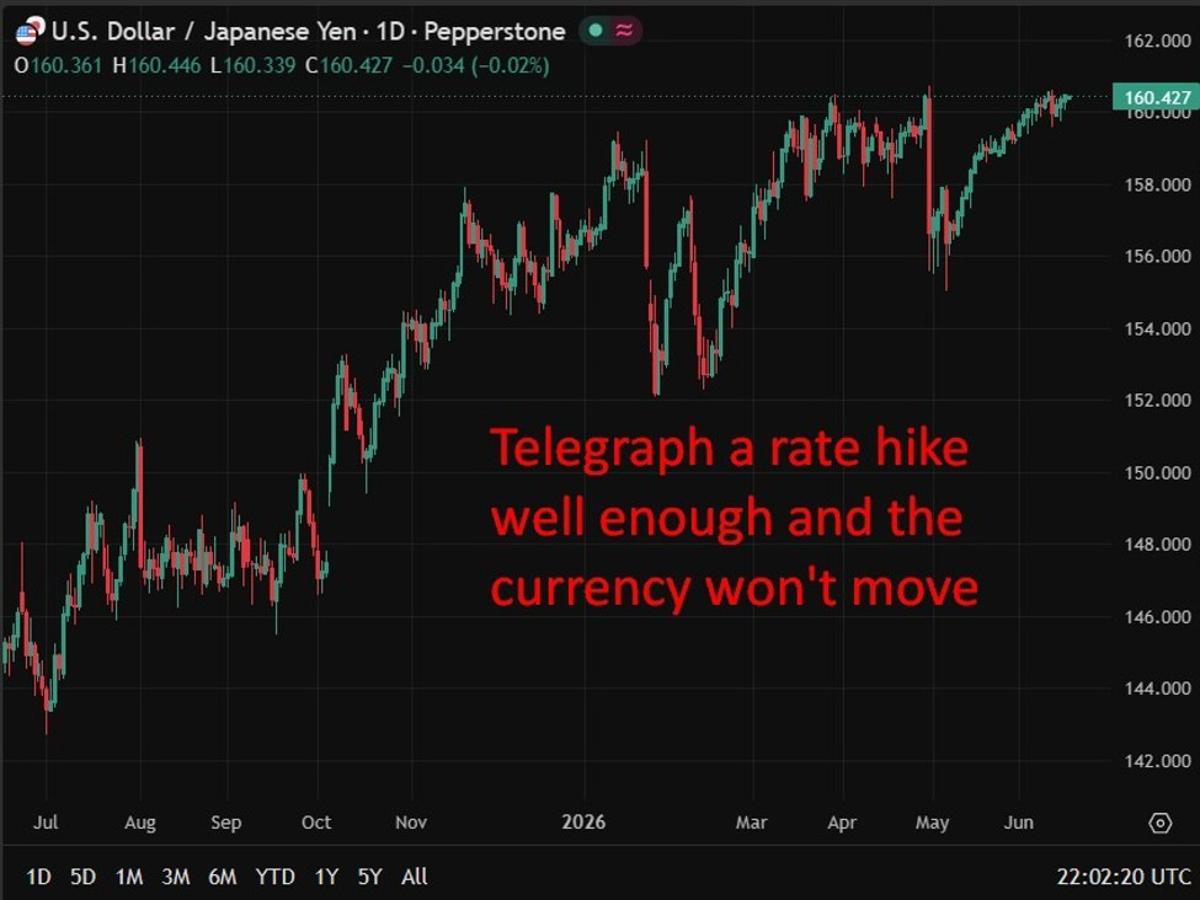
The Bank of Japan’s modest 25‑basis‑point hike to 1.00% was intended to normalize monetary policy after years of ultra‑loose conditions, yet the yen’s lack of response underscores a structural shift. With Japan’s real interest rates still deeply negative, the currency remains a prime funding source for carry‑trade investors who borrow yen to chase higher yields elsewhere. This dynamic has muted the impact of the policy move, keeping the yen under pressure even as the central bank signals a cautious path forward.
Compounding the yen’s weakness is a surge in speculative short exposure. Data from MUFG shows leveraged funds have added sizable short positions in the past month, reflecting confidence that the currency will stay depressed. Market participants are now eyeing the 161‑162 dollar‑yen corridor, a level that historically triggered official intervention. While the August 2024 unwind was abrupt, analysts argue the current hike was well‑telegraphed, reducing the likelihood of a disorderly reversal. Nonetheless, any breach of the identified threshold could prompt the Ministry of Finance to step in, aiming to curb excessive volatility.
Geopolitical developments add another layer of nuance. The US‑Iran agreement to reopen the Strait of Hormuz is expected to lower global oil prices, easing Japan’s import bill and providing a modest tailwind for the yen. However, cheaper energy also fuels broader risk appetite, supporting equity markets and sustaining demand for carry trades that rely on a weak yen. As the summer months approach, volatility is projected to remain subdued, suggesting the yen may linger near current lows unless a decisive policy shift or unexpected market shock occurs.
Yen stays weak after BoJ hike as analysts eye intervention risk
Comments
Want to join the conversation?