Today's Defense Pulse
US and Iran strike tentative cease‑fire deal pending Trump approval
Officials say Washington and Tehran have reached a tentative agreement to extend their cease‑fire and open nuclear talks. The pact remains unfinished until President Trump gives final sign‑off, leaving the timeline uncertain.
Also developing:
By the numbers: Disciplined Growth Acquisition Corp raises $150M in IPO

SAHA Expo 2026 as a Demonstration of Ankara's Geopolitical Ambitions
SAHA Expo 2026 in Istanbul turned into a showcase of Turkey’s expanding defence ambitions, drawing over 1,760 firms from 120 countries and nearly 149,000 visitors. The fair generated roughly $26.5 billion in signed contracts, including $8 billion in export deals, and hosted 29,000 B2B meetings. Turkish firms unveiled a suite of autonomous weapons, laser systems and the Güçhan jet engine for the upcoming KAAN fighter, while also presenting the controversial Yıldırımhan ICBM. The event underscored Ankara’s push for strategic independence and a larger geopolitical footprint in a fragmented security landscape.
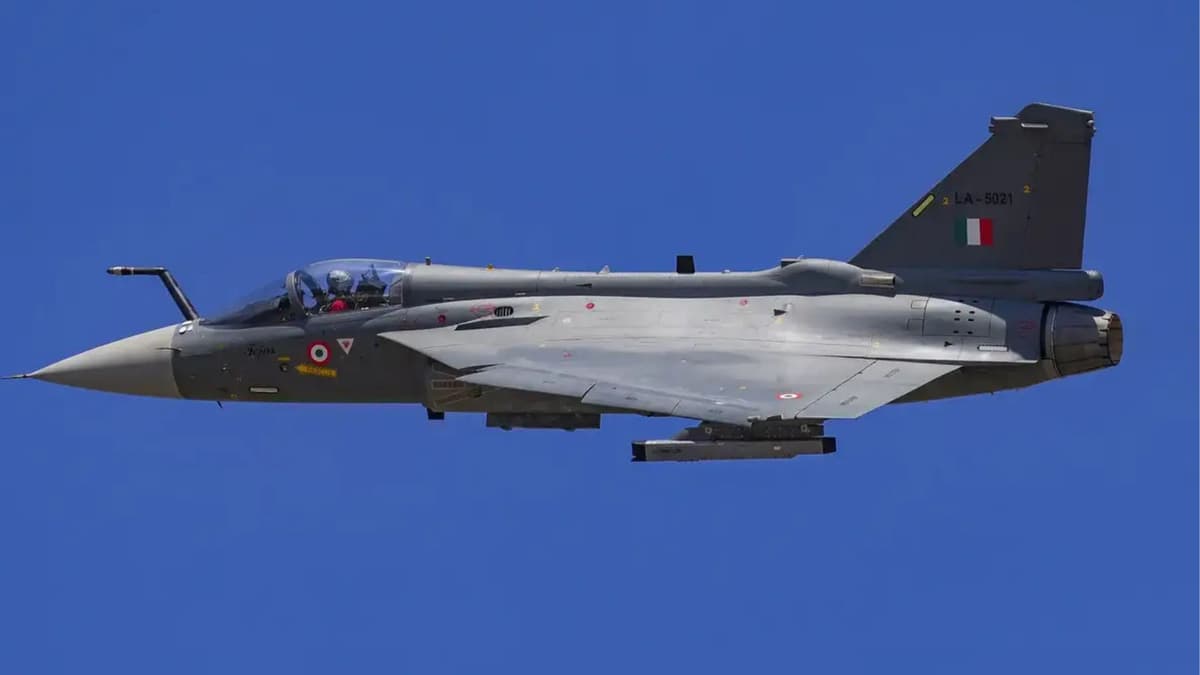
HAL-IAF Tejas Mk1A Review Pushed to June as Radar, Engine, and Weapons Integration Challenges Compound
India’s indigenous Tejas Mk1A fighter program has pushed its mandatory review to June 2026 after HAL failed to meet key operational milestones. The delay stems from unresolved integration of the Israeli‑made EL/M‑2052 AESA radar with the aircraft’s electronic‑warfare suite and...
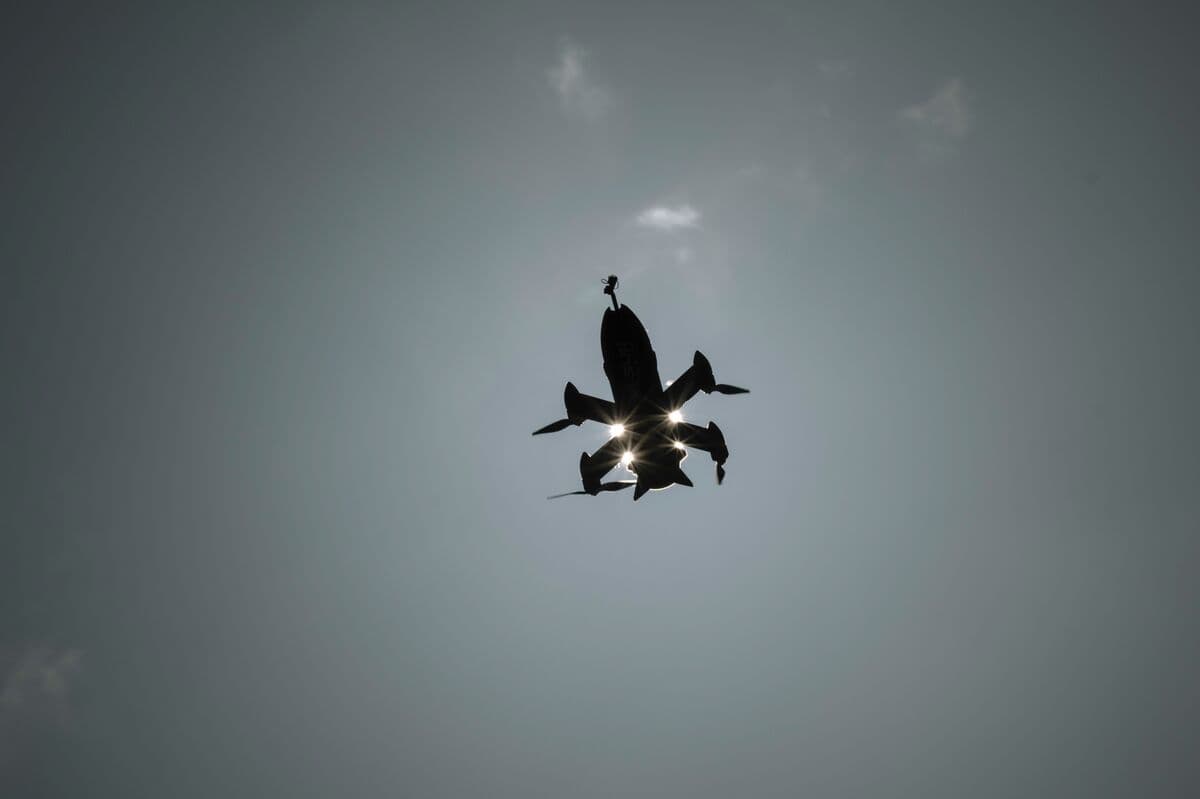
Trump Wants Ukraine’s Drone Technology
Ukraine’s wartime drone sector has scaled dramatically, now capable of producing up to 4 million units a year. Companies such as SkyFall are field‑testing advanced interceptors like the P1‑S amid ongoing conflict. The rapid industrialization has turned drones into a cornerstone...

Hormuz Is a Warning for the Indo-Pacific
Iran’s Islamic Revolutionary Guard Corps threatened to seal the Strait of Hormuz in February, warning it would fire on any vessel attempting passage. Tehran deployed drones, anti‑ship missiles and mines, effectively choking Middle Eastern oil exports and spiking global energy...
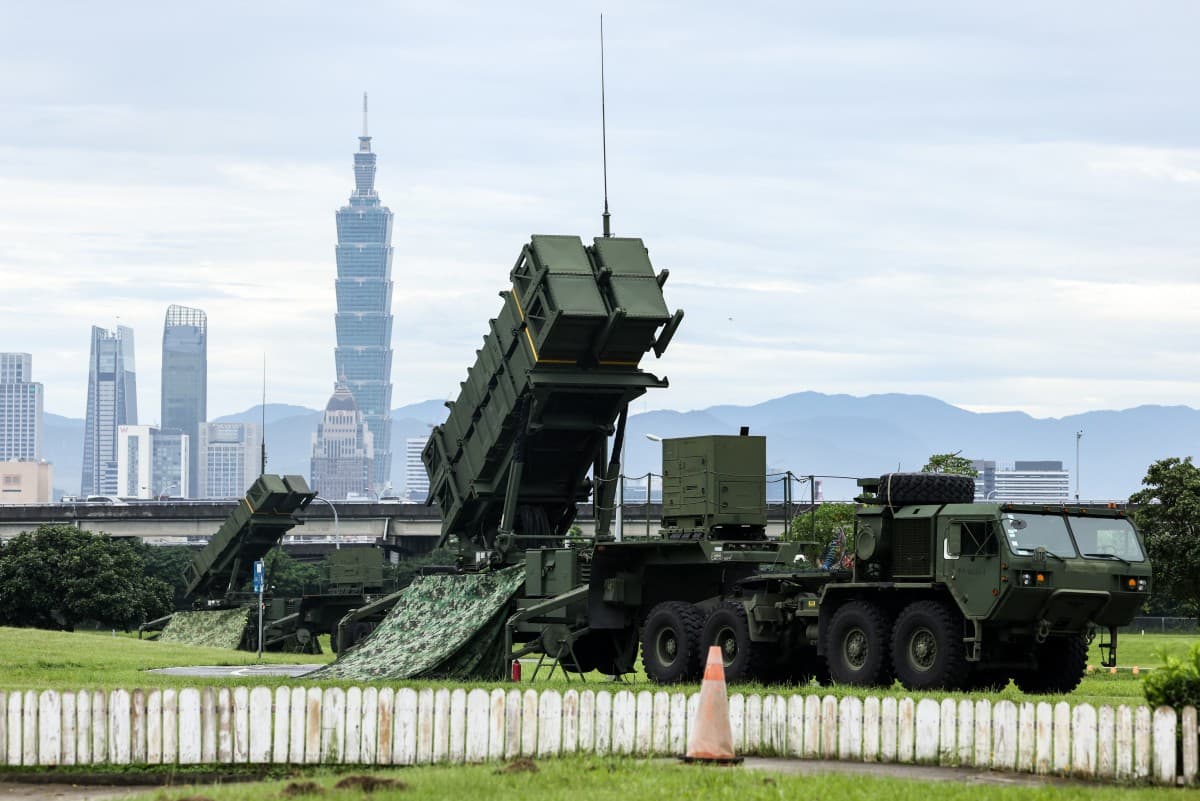
U.S. Pauses $14 Billion Arms Sales to Taiwan to Prioritize Iran War Needs: American Navy Secretary Says
The acting U.S. Navy secretary announced a pause on the $14 billion foreign military sale to Taiwan, redirecting munitions to support ongoing operations against Iran, dubbed "Epic Fury." The decision comes amid President Trump’s ambiguous stance on the sale, suggesting it...

Rethinking US Missile Defense: From Golden Dome to Zones
New from me: a preview for @AtlanticCouncil of a broader rethink of US homeland missile defense policy that I expect to publish on in longer form later this year: think Golden Zones, not a Golden Dome. https://t.co/WLDsjwrAhG

U.S. Intel Says Iran Rebuilding Drone Arsenal Faster Than Expected
U.S. intelligence officials say Iran has restarted drone manufacturing during a six‑week ceasefire and is on track to fully restore its drone attack capability within six months, far outpacing earlier estimates. The rapid rebuild, aided by Russian and Chinese support,...
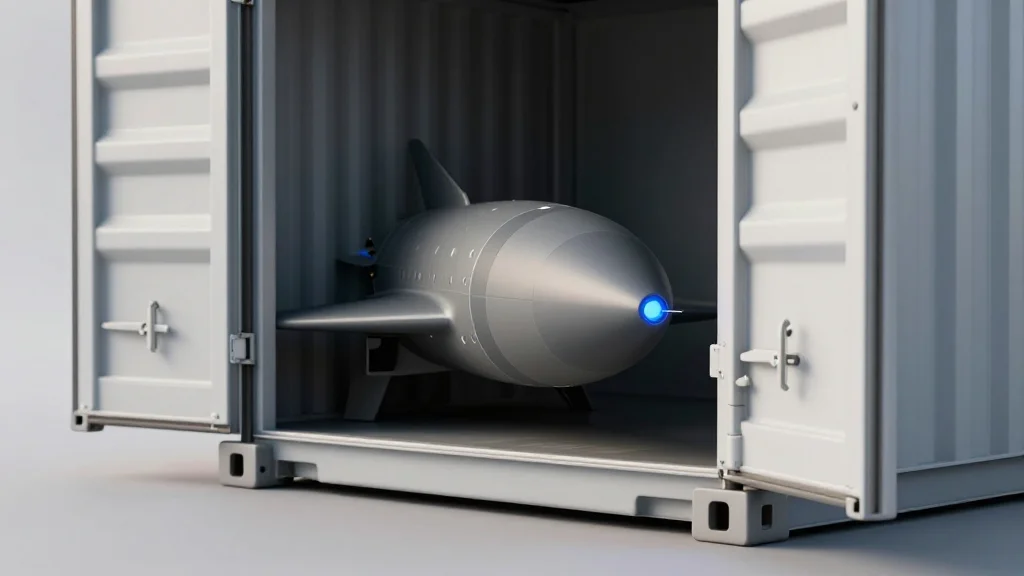
U.S. Army Secures Up to 3,000 Anduril Barracuda Cruise Missiles to Boost Long‑Range Strike
The U.S. Army has signed a framework agreement with Anduril Industries to procure a minimum of 3,000 Barracuda‑500M container‑launched cruise missiles, with deliveries of 1,000 missiles per year beginning in 2027. The deal adds a low‑cost, AI‑enabled long‑range strike option...

Space Force Allocates $20 Million to Orbital Logistics Challenge
The U.S. Space Force’s Space Systems Command and its SpaceWERX innovation arm announced a $20 million Orbital Logistics Challenge aimed at accelerating commercial technologies for on‑orbit servicing. The effort brings together multiple defense agencies and follows recent contracts for refueling and...

Rocket Lab Secures $90 Million U.S. Space Force Contract for GEO SDA Satellites
Rocket Lab has been awarded a $90 million contract by the U.S. Space Force’s Space Systems Command to design, build and operate two geostationary satellites carrying the Heimdall space‑domain awareness payload. The deal marks the company’s first production program for GEO...
U.S. Deploys Half Missile Stockpile, Israel Holds Back
US reportedly used half its missile stockpile defending Israel - as Israel conserved much of its own defensive arsenal
SBQuantum Secures $3M CAD ($2.2M USD) in Canadian Defence Contracts for Quantum Magnetometer Deployment
SBQuantum has secured two Canadian defence contracts worth CAD $3 million (approximately US $2.2 million) to deploy its proprietary quantum‑diamond magnetometers. One contract funds portable field‑deployable sensor arrays, while the other finances integration of the sensors onto UAVs for airborne detection. The projects, backed...

Pentagon Doubts Rare‑earths Deal, Sparking White House Clash
These deals are getting worse all the time: "Pentagon Doubts Over Rare Earths Deal Provoke White House Clash" https://t.co/IYZCwjqctC https://t.co/53rpPevoJu

U.S. LUCAS Drone Gets Shield AI Hivemind Swarming Software
The Pentagon has selected Shield AI to embed its Hivemind autonomy suite in the Low‑Cost Uncrewed Combat Attack System (LUCAS), a $35,000 kamikaze drone. The integration, overseen by the Office of the Under Secretary of War for Research and Engineering,...
GE Aerospace Cuts Hypersonic Ramjet Design Time to Seconds with Generative AI
GE Aerospace announced that its generative‑AI app generated a preliminary hypersonic dual‑mode ramjet design in seconds, a task that previously took weeks or months. The speed boost aims to accelerate DoD weapon programs and commercial jet engine projects such as...

U.S. Space Force Aims for 1,200 Launches a Year by 2036, Boosting Space‑Control Infrastructure
The U.S. Space Force announced that Cape Canaveral Space Force Station will be prepared to support roughly 1,200 launches per year by 2036. The goal is tied to a record‑high budget request for fiscal 2027 and a three‑pronged priority set...

Sen. Rick Scott and Rep. Andy Ogles Push Stronger Defenses Against China-Backed Cyber Threats
Sen. Rick Scott and Rep. Andy Ogles called on Congress to fast‑track the Strengthening Cyber Resilience Against State‑Sponsored Threats Act, warning that Chinese groups like Volt Typhoon have already breached U.S. critical infrastructure. Their appeal underscores growing bipartisan concern over...

As Russian Losses Mount in Ukraine, Putin Seeks More Foreign Fighters
The Kremlin announced plans to enlist at least 18,500 foreign fighters in 2026, a sharp increase from the roughly 27,000 foreigners who have already joined since the invasion began. Recruitment campaigns target economically vulnerable communities across the Global South, using...

Top U.S. Envoy Affirms Taiwan Commitments Despite Trump’s Remarks
U.S. top envoy to Taiwan reaffirmed that Washington’s policy toward the island remains unchanged despite President Donald Trump’s recent remarks suggesting the $14 billion arms package could be a bargaining chip with China. Trump’s comments appeared to conflict with the 1982...

U.S. and Iran Still Deadlocked on Key Issues Despite Signs of Diplomatic Progress
The United States and Iran remain at odds over Tehran's stockpile of highly enriched uranium and Iran's demand for tolls on the Strait of Hormuz, despite Secretary of State Marco Rubio noting "some good signs" in recent talks. President Donald...
DPRTE Scotland Delivers an Astounding First Edition
The inaugural DPRTE Scottish Defence Procurement & Supply Chain Summit in Glasgow gathered defence buyers, prime contractors, SMEs and policymakers, marking the first Scotland‑specific edition of the long‑running UK defence procurement forum. Attendees heard from senior officials, including the MoD’s...

Microsoft Thwarts Healthcare Ransomware Threat
Microsoft’s Digital Crimes Unit, in collaboration with Resecurity, dismantled the Fox Tempest malware‑signing‑as‑a‑service operation in May. The service had been used to sign and distribute Rhysida ransomware, which has targeted healthcare providers along with education, government and financial sectors worldwide....

Trump Says U.S. Will Send 5,000 More Troops to Poland
President Donald Trump announced on Thursday that the United States will deploy an additional 5,000 troops to Poland. The move comes just a week after the Pentagon scrapped a planned 4,000‑troop deployment to the same country. Trump said the decision...
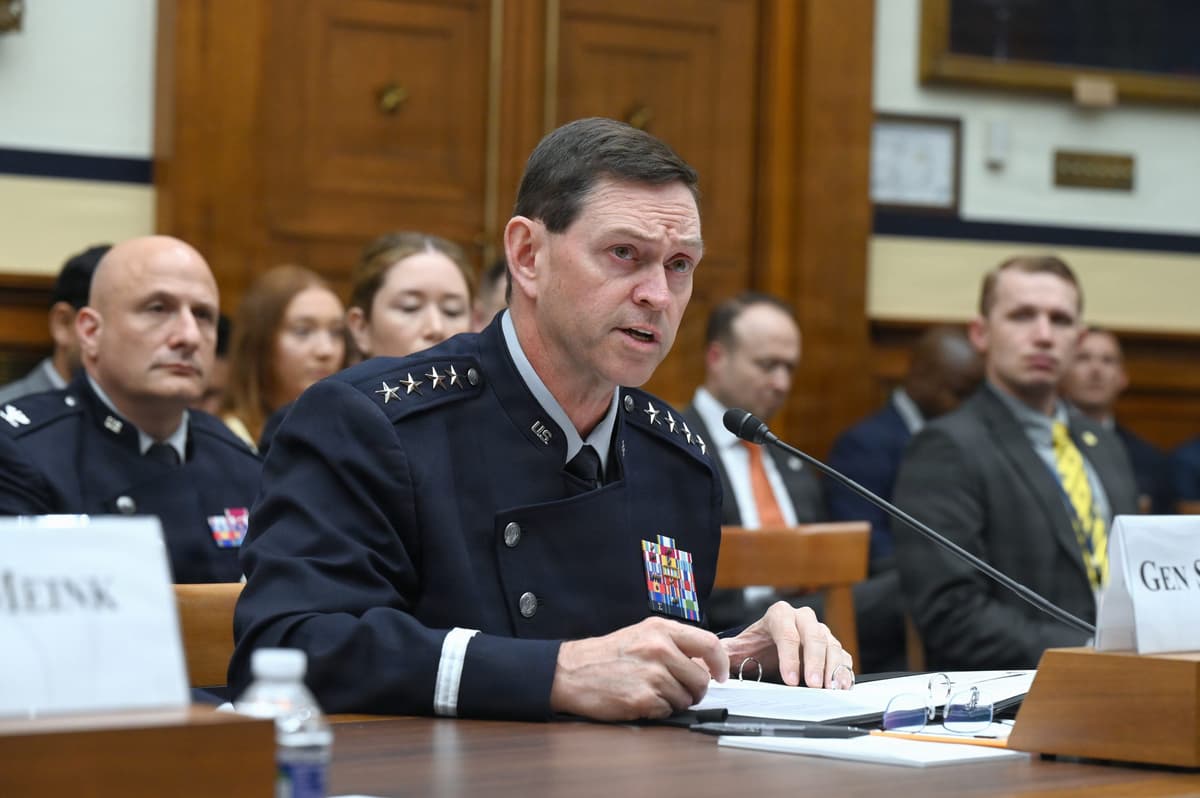
Space Force on Path to Double Active-Duty Force by 2030
U.S. Space Force plans to nearly double its active‑duty force to about 20,000 Guardians by 2030, adding 2,800 service members and 2,000 civilians in FY 2027. The expansion is backed by a proposed $71 billion budget, more than double the 2026 level,...

VLS Timeline on New British Warships yet to Be Confirmed
The UK Ministry of Defence declined to set Initial or Full Operating Capability dates for the Mk 41 Vertical Launch System (VLS) on the Royal Navy’s Type 26 and Type 31 frigates, saying timelines will be confirmed later. Both classes will eventually carry...
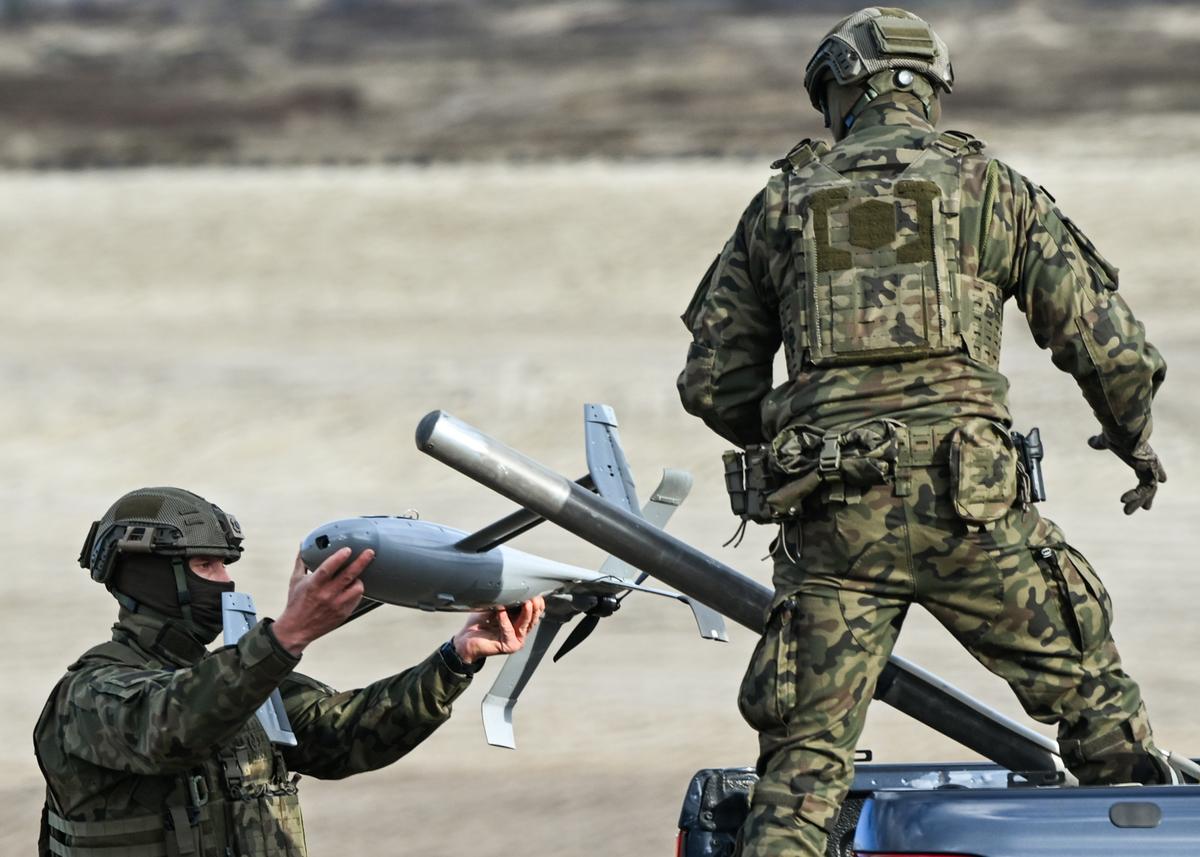
Poland Joins Pentagon’s Counter-Drone Marketplace Amid Unexpected US Deployment Cancellation
Poland has signed a statement of intent to join the Pentagon’s counter‑drone marketplace, a U.S.-run platform that links allies with emerging anti‑drone technologies. The move comes after the Army abruptly cancelled a planned rotational deployment to Poland, even as Washington...
Poland Joins Pentagon’s Counter-Drone Marketplace Amid Unexpected US Deployment Cancellation
The U.S. Army announced that Poland has signed a statement of intent to join the Pentagon’s counter‑drone marketplace, a U.S.-managed platform that links allies with emerging anti‑drone technologies. The move comes after the Army abruptly cancelled a planned rotational deployment...

Cyber Blind Spots: The War Room Needs Constant Data, Not a Daily Scorecard
The Department of Defense’s current event‑centric cyber monitoring system processes data on a schedule that lags behind fast‑moving adversaries, creating blind spots that can hide attacks. A data‑fabric architecture, now popular in the commercial sector, decouples storage from computation, allowing...

Chinese State‑Sponsored Hackers Deploy Showboat and JMFBackdoor Malware Against Telecom Operators
China‑aligned Calypso (also known as Red Lamassu) has been actively compromising telecommunications providers with two new implants—Showboat for Linux and JMFBackdoor for Windows—since mid‑2022. The campaign, uncovered by Lumen’s Black Lotus Labs and PwC Threat Intelligence, leverages modular persistence, SOCKS5 proxying,...

Google API Keys Remain Active After Deletion
Researchers at Aikido Security discovered that Google Cloud Platform API keys remain usable after deletion, with a median revocation window of about 16 minutes and a maximum of 23 minutes. The study showed wide variability across regions—some tests saw a...

Pentagon Picks Shield AI to Add Swarm Pilot to Low‑Cost LUCAS Drone
The Pentagon has selected Shield AI to integrate its Hivemind swarm software into the Low‑Cost Uncrewed Combat Attack System (LUCAS) drone. The AI pilot will let dozens of inexpensive drones coordinate in real time, a capability the service plans to...

SmallSat Europe Speaker Focus: Kateryna Chernohorenko, Ukraine Ministry of Defence
Ukraine’s Defence Ministry rolled out two battlefield‑grade mobile apps—Reserve+ and Army+—that now manage the records of more than six million reservists and active‑duty soldiers. The apps replaced dozens of paper logs, while the DELTA battlefield management system earned NATO certification...

CMSSF Bentivegna: The Space Force Needs to Double, and Here's Exactly How It Happens
In this episode, Chief Master Sergeant John Bentivenga, the senior enlisted leader of the U.S. Space Force, explains why the service must double its end strength to roughly 20,000 Guardians and outlines the legislative, budgetary, and organizational steps required to...
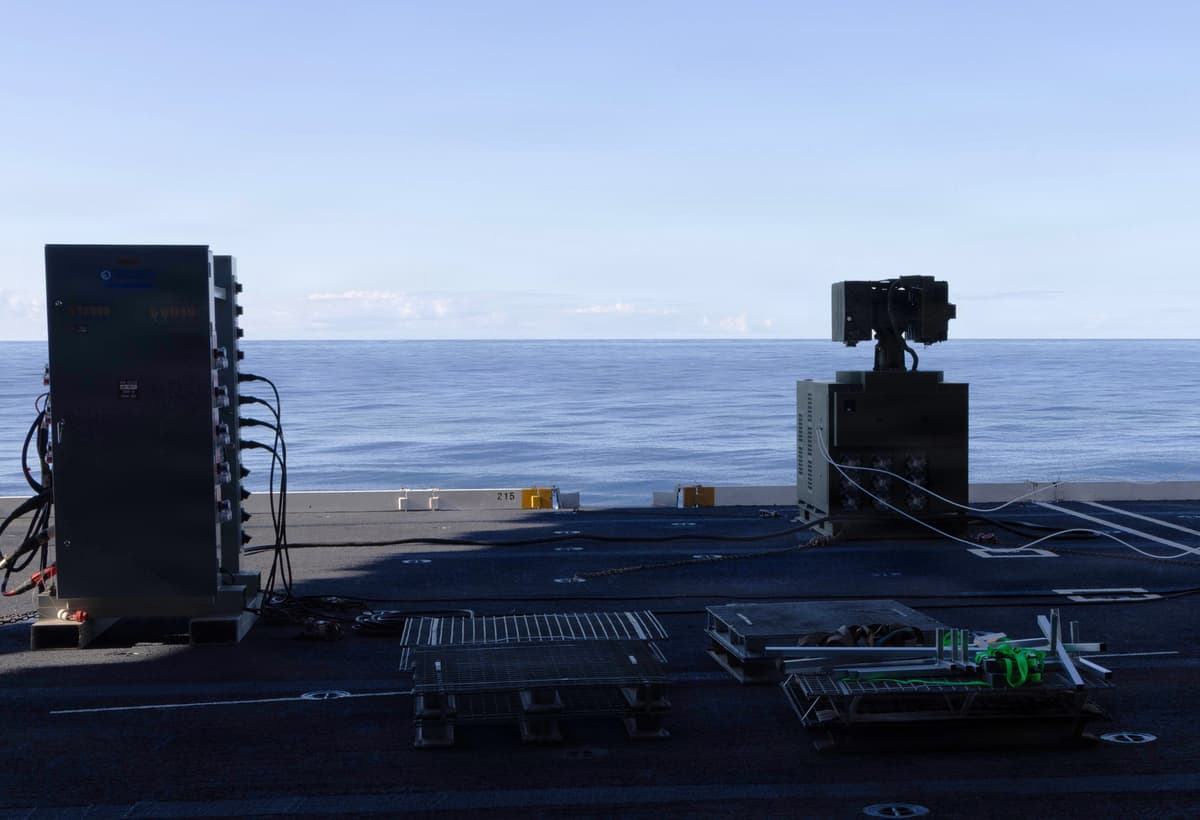
The US Navy Is Full Speed Ahead on Building a Laser Fleet
U.S. Navy Chief of Naval Operations Adm. Daryl Caudle told Congress that high‑energy laser weapons are essential to free up Vertical Launch System cells for offensive missiles. Current destroyers, even the new Flight III Arleigh Burke class, lack the power and...
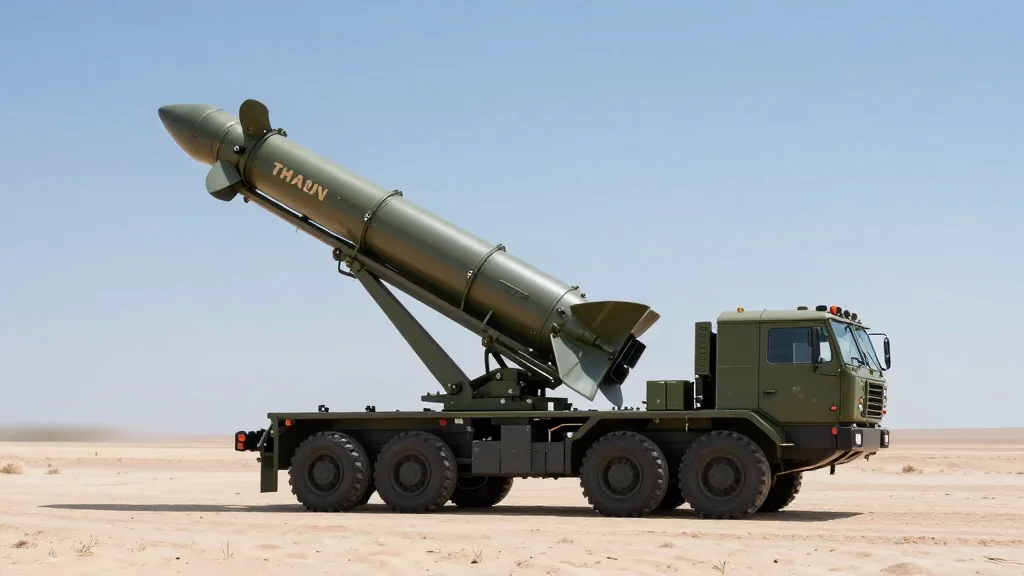
U.S. Depletes Half Its THAAD Stock Defending Israel
“The U.S. military has depleted much of its inventory of advanced missile-defense interceptors after expending far more high-end munitions defending Israel amid hostilities with Iran than Israeli forces used themselves, according to Defense Department assessments described to The Washington Post. … The...
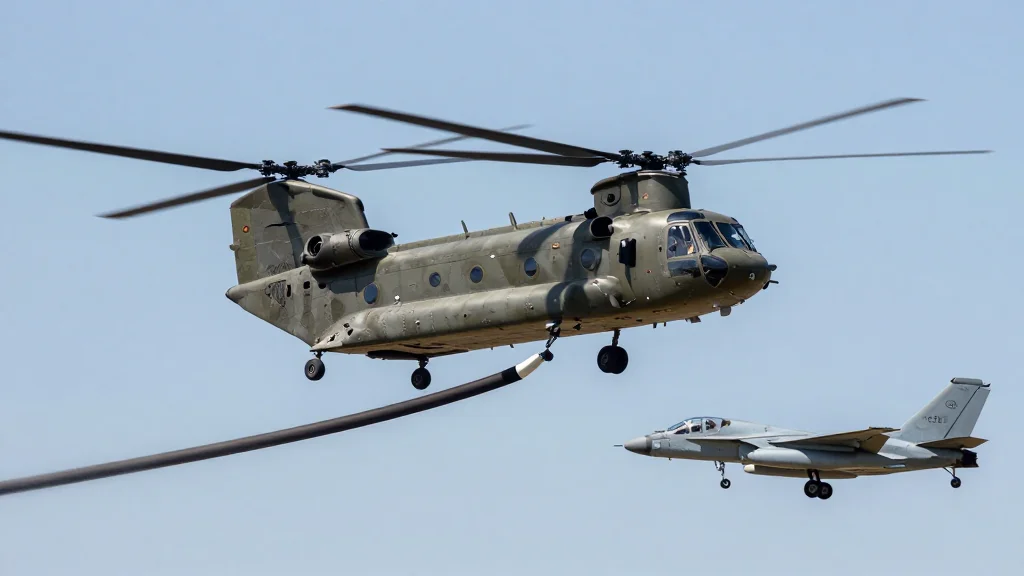
Night Stalkers' MH-47 Chinooks Could Become Aerial Tankers
Night Stalker MH-47 Chinooks May Get Aerial Refueling Tanker Role Special ops MH-47 Chinooks that could refuel other aircraft midair would give the Night Stalkers their own organic tanker capability. https://t.co/CUb3fRgYyA
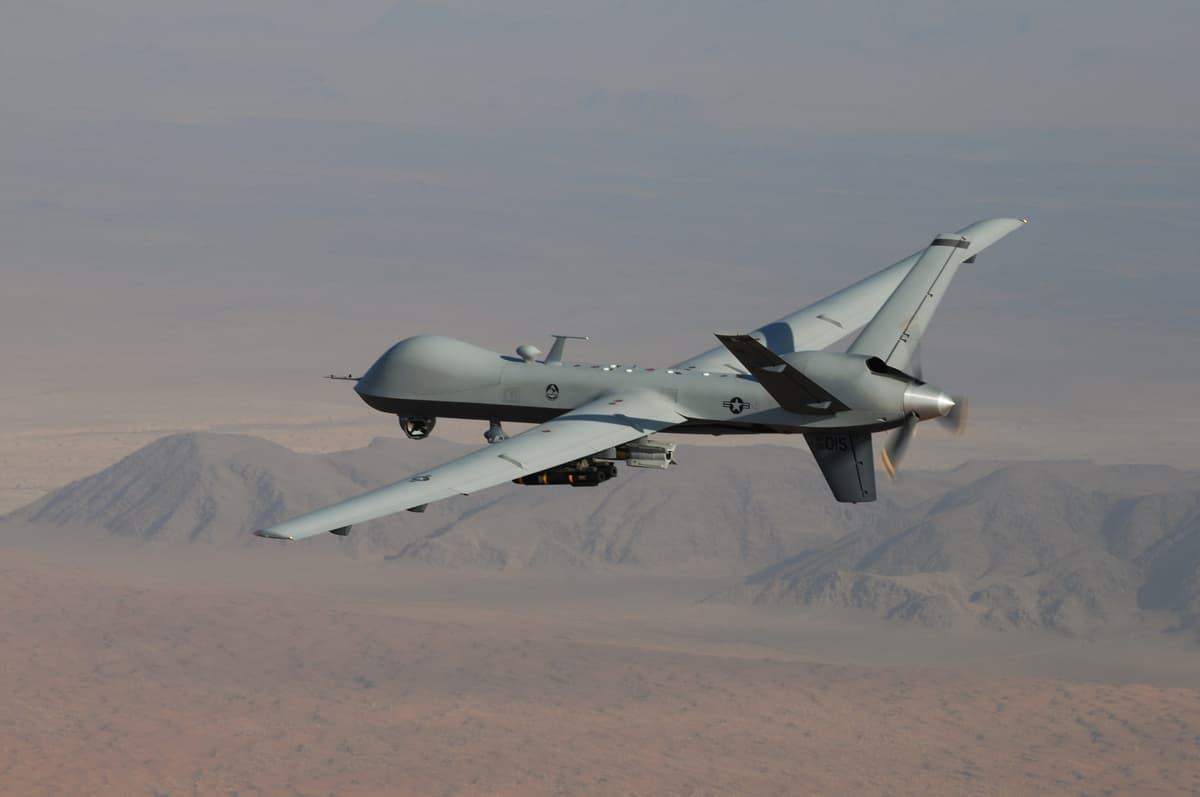
Air Force Dubs MQ-9 the ‘MVP’ of Epic Fury as Lawmakers Press Manned-Unmanned Future
The Air Force praised the MQ‑9 Reaper as the most valuable platform in Operation Epic Fury, yet its FY27 budget still pours the bulk of aircraft dollars into crewed fighters. Lawmakers highlighted a $1.2 billion cost from 24 Reaper losses, which...
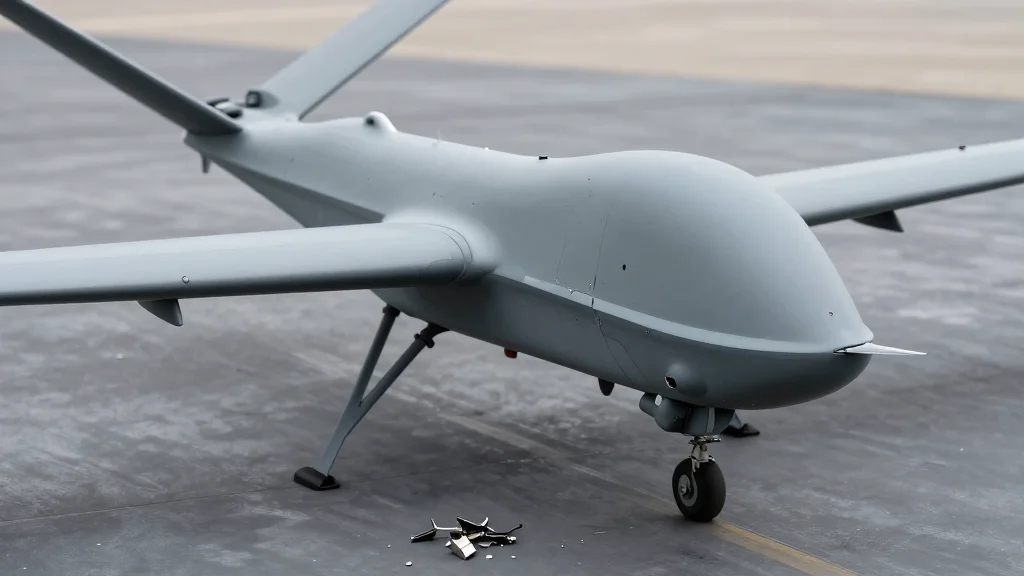
US Loses 24+ Reapers, $1 B Cost, Production Lag
Fighting wars from a distance still comes at a cost: the US has lost 24+ MQ-9 Reaper drones in the Iran war -- nearly $1B. But with no active production line, these drones are too expensive and too few to...
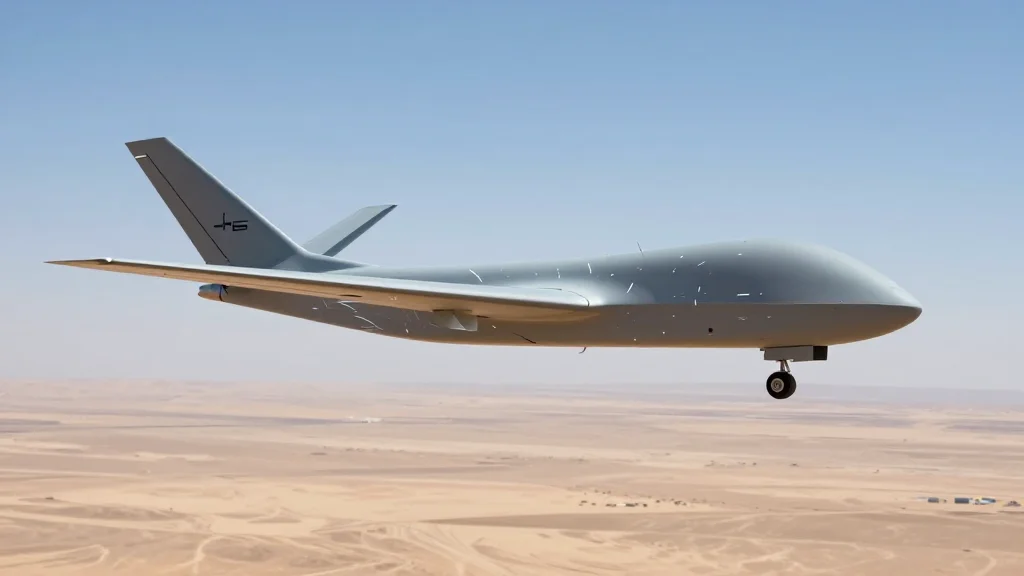
YFQ-42A Returns After Software Fixes for Autopilot CG Error
Inbox: General Atomics YFQ-42A back to flight following software updates. April 6 crash was “an autopilot miscalculation for the weight and center of gravity of the aircraft”

New Report: Time Is Now to Start Work on Guardians in Space to Counter China
A new Mitchell Institute paper authored by retired Col. Kyle Pumroy calls on the U.S. Space Force to begin deploying Guardians in low‑Earth orbit and eventually on the moon to counter China’s expanding human spaceflight program. The report highlights China’s...

New Engines Crucial for Black Hawk Upgrade Amid Uncertainty
New Engines Key To Night Stalker MH-60M Black Hawk Upgrade Plans The Army's Improved Turbine Engine Program has promised major boost in performance for Black Hawk helicopters, but its future is murky. https://t.co/aZQbzVV464
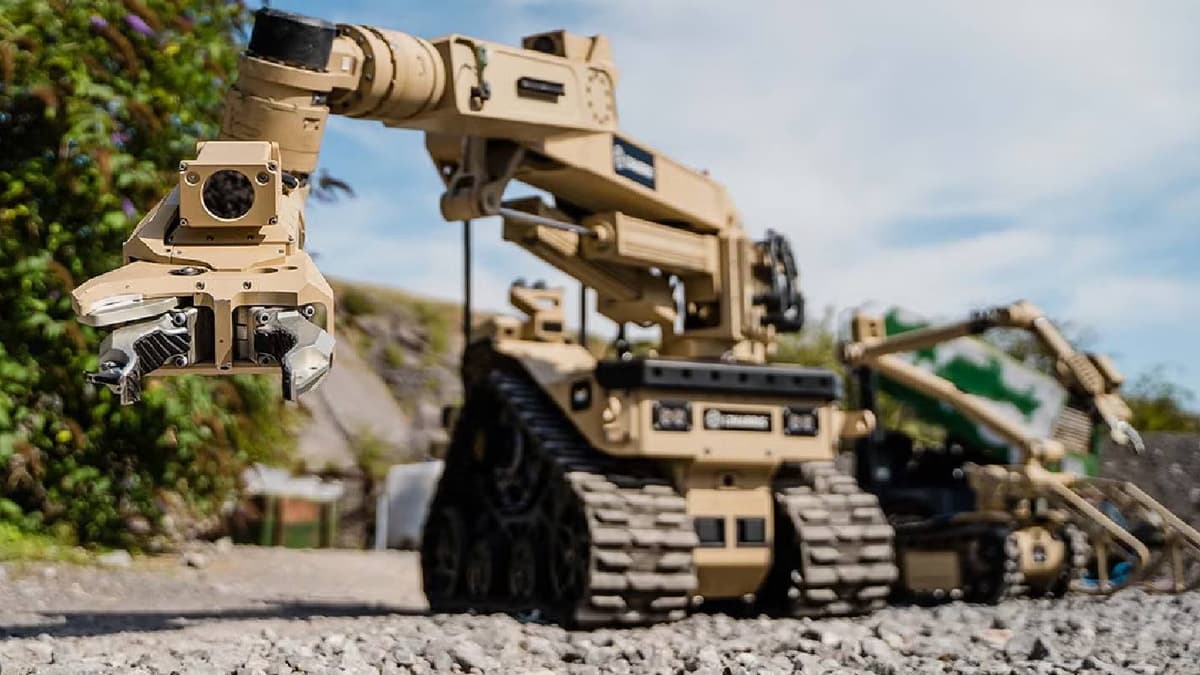
L3Harris Delivers T4 and T7 ‘Life-Saving’ Robotic Systems to ADF
L3Harris Technologies has delivered its T4 and T7 multi‑mission robotic systems to the Australian Defence Force under the DEF08101 programme. The T4 platform focuses on explosive ordnance disposal and CBRNE detection, while the larger T7 adds ISR sensors, hazardous‑material cleanup,...

British Army’s Challenger 3 Continues Pre-Trials Testing
The British Army’s Challenger 3 tank is advancing through pre‑trial testing using Battlefield Mission (BFM) serials, which capture performance data for engineering refinements. The upgrade replaces the Challenger 2 turret with a Rheinmetall L55A1 120 mm smoothbore gun, new sensors, armour and an...

US Air Losses over Iran May Grimly Foreshadow China War Risks
The Congressional Research Service reports that the United States lost or damaged 42 aircraft during the February 2026 Operation Epic Fury campaign against Iran, including four F‑15E fighters, an F‑35A, an A‑10, multiple KC‑135 tankers, an E‑3 AWACS, and 25 drones. Iranian air...

America Tested a Massive New Weapon. Then a Nuclear Nightmare Started Falling From the Sky.
On March 1 1954 the United States detonated the 15‑megaton Castle Bravo thermonuclear bomb at Bikini Atoll, producing a yield three times larger than predicted. The explosion vaporized coral and sand, creating heavy, highly radioactive fallout that fell on Rongelap Atoll just hours...

Saudi Telecom Hosts 72% of Regional Hacker Servers
Don't often see this kind of analysis of Middle East infrastructure: Over 3 months this year, 1,350 hacker command-and-control servers found being hosted across 98 regionaly providers. Saudi Telecom Company hosts 981 , or 72.4%, of them. https://t.co/iXfai68l41
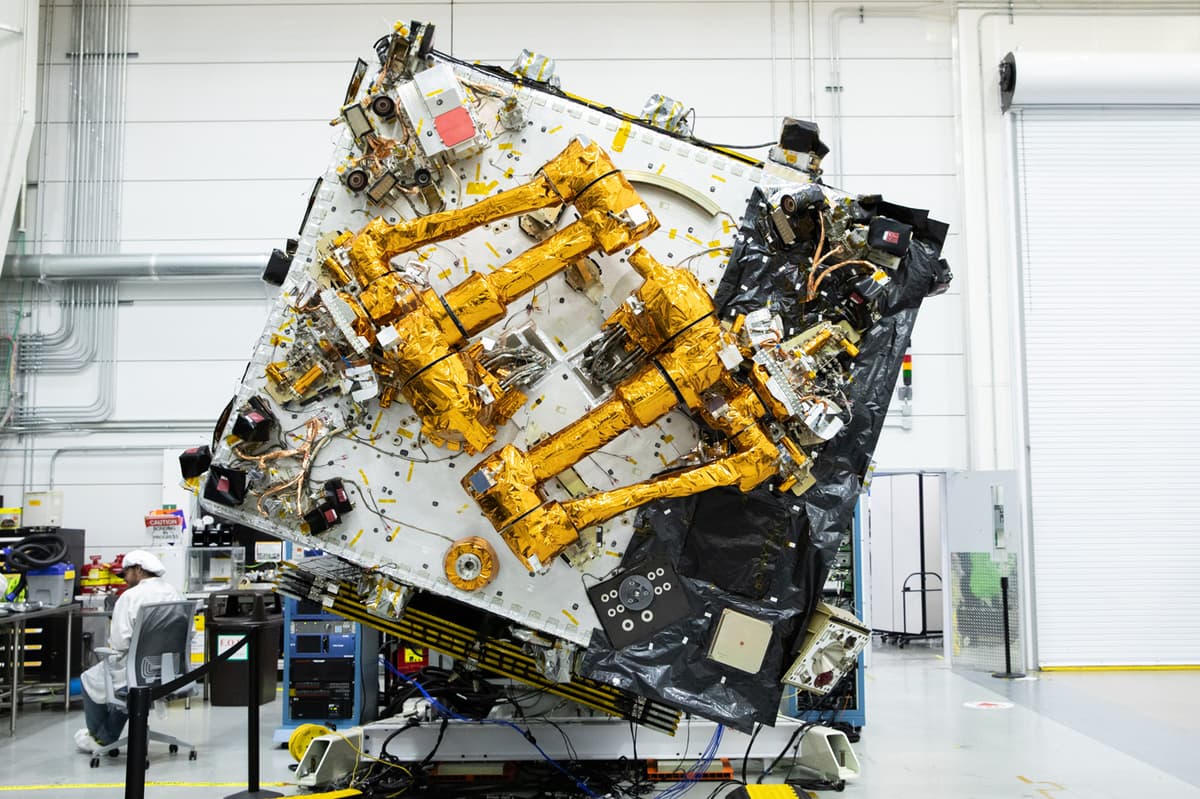
DARPA and Northrop Grumman to Launch First US On-Orbit Satellite Servicing Mission This Summer
DARPA and Northrop Grumman are set to launch the Robotic Servicing of Geosynchronous Satellites (RSGS) mission this summer, marking the United States’ first on‑orbit satellite servicing capability. The robotic spacecraft will operate in geosynchronous orbit, performing inspection, repair, refueling and relocation...

Khamenei's Uranium Directive Raises New Peace Deal Obstacle
Watch... India Today TV interview... Khamenei's New Directive On Uranium; Another Hurdle In Peace Deal? | India Tonight | ET Now - https://t.co/rKeu6r1trd

Space Force Study Says It Needs a Third Spaceport Besides Cape Canaveral and Vandenberg
The Space Force is finalizing a congressional‑mandated study that concludes the service will need a third spaceport capable of heavy and super‑heavy launches, in addition to Cape Canaveral and Vandenberg. Both existing ports are approaching capacity limits, with projections of...

Italy’s Airbus Tanker Deal Signals Shift
Italy signed a €1.39 billion (~$1.5 billion) contract for six Airbus A330 MRTT tankers, abandoning a planned purchase of Boeing KC‑46 aircraft. The deal underscores Europe’s drive to build a shared tanker ecosystem and deepen NATO interoperability. Airbus gains a decisive market...