Explainer: The War in Iran Now Threatens the Global Internet
Companies Mentioned
Why It Matters
A disruption to these cables would cripple the Gulf’s AI‑driven diversification plans and could trigger broader financial market volatility, making the conflict a digital‑infrastructure risk as well as a geopolitical one.
Key Takeaways
- •Strait of Hormuz hosts key cables linking Asia, Africa, Europe
- •99% of global internet traffic relies on undersea fiber
- •Conflict raises accidental damage risk from anchors and vessels
- •Repair delays stem from permits, insurance, and mine threats
- •Satellites and LEO constellations cannot match cable capacity
Pulse Analysis
The undersea fiber network threading the Strait of Hormuz is more than a conduit for data; it is the backbone of the Gulf’s ambitious shift toward artificial‑intelligence‑powered economies. Nations such as the UAE and Saudi Arabia have poured billions of dollars into AI platforms and cloud services that depend on low‑latency, high‑capacity links to Asia and Europe. When a single cable falters, latency spikes, transaction times lengthen, and the region’s digital‑first growth strategies can stall.
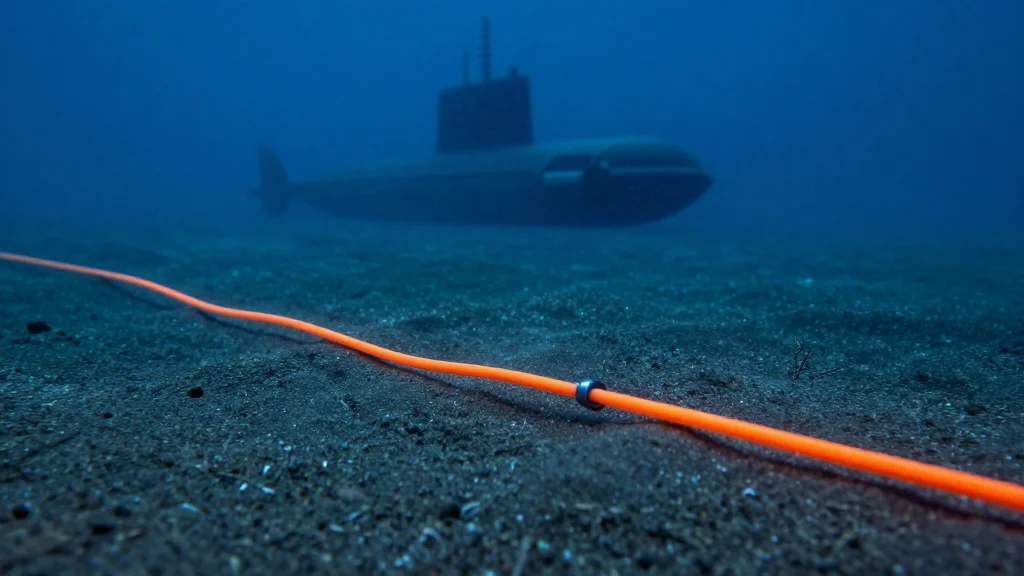
Amid the two‑month‑old Iran conflict, the primary threat is not a deliberate sabotage but the increased likelihood of accidental damage. Military vessels, mines and the chaotic movement of ships raise the chance that anchors will snag cables, a scenario that has already unfolded in the Red Sea. Repairing a severed line in a war zone is fraught with logistical hurdles: insurers hesitate, repair ships require clearance from multiple jurisdictions, and the presence of unexploded ordnance can delay work for weeks. These factors compound the risk of prolonged outages for businesses that rely on uninterrupted connectivity for everything from cloud‑hosted ERP systems to real‑time financial settlements.
While satellite constellations and low‑Earth‑orbit services like Starlink offer supplemental bandwidth, they cannot replace the sheer volume and cost‑efficiency of fiber. Satellites are limited by latency and capacity, making them unsuitable for high‑frequency trading or large‑scale data migration. Consequently, governments and telecom operators are re‑evaluating redundancy strategies, investing in alternative land routes, and lobbying for clearer international protocols on cable protection. The outcome of this conflict will likely reshape how the Middle East safeguards its digital arteries, influencing global supply‑chain resilience and the future of cross‑regional internet architecture.
Explainer: The war in Iran now threatens the global internet
Comments
Want to join the conversation?
Loading comments...