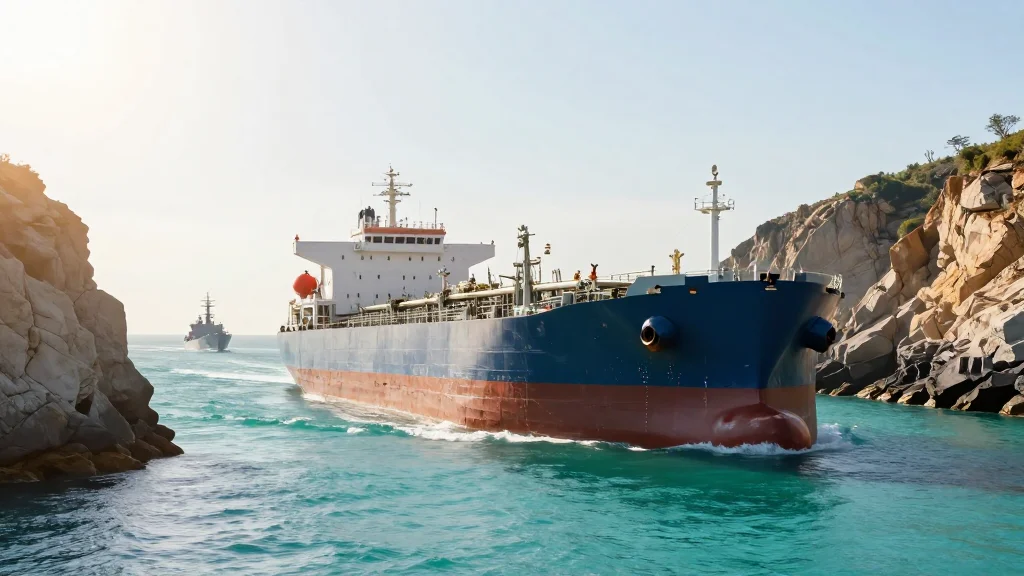
Strait of Hormuz Could Be Open Within 30 Days. But Is a Deal Really Imminent?
Why It Matters
Reopening the Strait of Hormuz would restore a critical chokepoint for global oil flow, while lifting sanctions could unlock billions in Iranian revenue and reshape regional geopolitics.
Key Takeaways
- •Draft MOU includes U.S. troop pullout and oil‑sanctions suspension.
- •Iran seeks release of half its frozen assets and $300 billion reconstruction plan.
- •Tehran promises Strait of Hormuz reopening within 30 days after signing.
- •Qatar mediates; Israel remains excluded from negotiations.
Pulse Analysis
The Strait of Hormuz, through which roughly 20% of the world’s oil passes, has been a flashpoint since the April ceasefire that halted direct combat between the United States and Iran. The naval blockade imposed by the U.S. crippled Tehran’s oil exports, slashing revenue and prompting Tehran to threaten wider disruptions. Restoring free passage would not only stabilize global energy markets but also ease shipping insurance premiums that have surged amid uncertainty.
The 14‑point draft MOU signals a substantive shift from military posturing to diplomatic bargaining. By demanding a U.S. troop pullback, the suspension of oil sanctions, and the release of half of Iran’s frozen funds, the document addresses Tehran’s core grievances. The requirement for a $300 billion reconstruction package underscores the scale of economic damage inflicted by three months of conflict and offers a potential catalyst for Iranian infrastructure revival. If ratified, the agreement could unlock significant foreign investment and re‑integrate Iran into the global financial system.
Qatar’s role as mediator highlights the importance of regional actors in de‑escalating great‑power tensions. While Israel remains sidelined, the United States must balance domestic political pressures—exemplified by former President Trump’s public optimism—with the pragmatic need for a durable settlement. A swift reopening of the strait could boost oil prices stability, but any delay or breakdown risks reigniting market volatility and prompting renewed naval confrontations. Stakeholders across energy, finance, and geopolitics will be watching the next diplomatic moves closely.
Strait of Hormuz could be open within 30 days. But is a deal really imminent?
Comments
Want to join the conversation?
Loading comments...