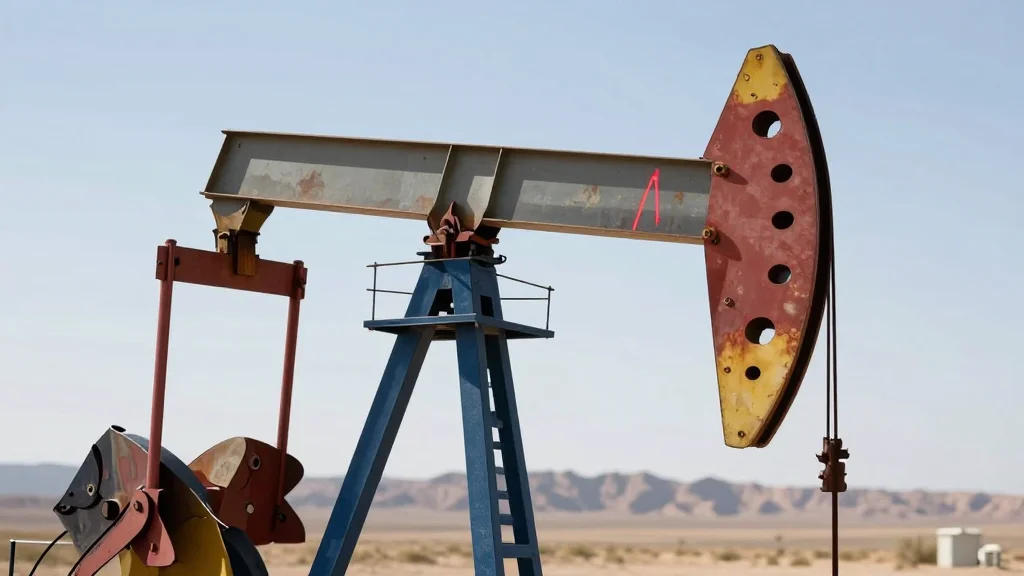
Diamondback Energy Q1 2026 Profit Plunges to $25 M, EPS 0.08 vs $4.83 a Year Earlier

Why It Matters
Diamondback Energy is a bellwether for commodity‑linked equities, and its Q1 earnings miss signals that even top‑tier Permian producers are feeling the squeeze from rising operating costs and volatile oil prices. Investors track Diamondback’s dividend and share‑repurchase policies closely; a weakened bottom line could pressure the broader sector’s yield expectations and trigger a re‑pricing of risk for other mid‑cap energy stocks. Moreover, the company’s aggressive cost‑reduction initiatives—particularly in the Barnett play—serve as a template for peers seeking to preserve cash flow while maintaining production flexibility. The earnings decline also highlights the growing importance of power‑price exposure in shale operations. As Diamondback’s CFO noted, unhedged power costs are now a material headwind, suggesting that future capital allocation decisions may increasingly factor in renewable‑energy contracts or on‑site generation to mitigate this risk. The outcome of Diamondback’s next earnings call will be a key indicator of whether the firm can translate its efficiency gains into sustainable profitability.
Key Takeaways
- •Q1 2026 net profit: $25 million vs $1.40 billion a year earlier
- •Earnings per share: $0.08 vs $4.83 in Q1 2025
- •Revenue rose 5% to $4.24 billion
- •CapEx guidance: $900 million per quarter, with potential cuts if Barnett cost targets are hit
- •DUC backlog remains the largest in North America, providing operational flexibility
Pulse Analysis
Diamondback’s earnings collapse is less a surprise than a symptom of a broader cost‑inflation cycle in the Permian. The company’s $150 million Barnett allocation, while modest, reflects a strategic pivot toward lower‑cost, multi‑well pad development that could eventually restore margin headroom. However, the immediate earnings hit shows that the transition is still in its infancy; power‑price volatility and higher casing costs—up 12% quarter‑over‑quarter—are eroding the gains from drilling efficiency.
From a valuation perspective, the market is likely to re‑price Diamondback’s dividend yield lower, at least until the firm demonstrates consistent cash‑flow generation above the $5.60‑$5.80 per BOE LOE range it guided. The “yellow” stoplight language used by Van’t Hof signals a wait‑and‑see stance, meaning investors should brace for continued earnings volatility. In the longer term, successful execution of the Barnett cost‑reduction program—targeting $800 per foot—could reposition Diamondback as a low‑cost producer, narrowing the gap with peers like EOG and Occidental.
Strategically, Diamondback’s sizable DUC inventory is both a hedge and a risk. It allows the company to ramp production quickly if oil prices rebound, but it also ties up capital that could otherwise be deployed to higher‑return projects or debt reduction. The upcoming earnings call will be critical: a clear roadmap for converting DUCs into producing assets, coupled with a credible power‑hedging strategy, could restore investor confidence and stabilize the stock’s trajectory.
Diamondback Energy Q1 2026 profit plunges to $25 M, EPS 0.08 vs $4.83 a year earlier
Comments
Want to join the conversation?
Loading comments...