GoPro Inc (GPRO) Q4 2025 Earnings Call Transcript
•March 5, 2026
0
Why It Matters
The earnings highlight GoPro’s shift toward higher‑margin subscription services and cost discipline, positioning the firm for a turnaround despite short‑term sales weakness.
Key Takeaways
- •Revenue $201M, in line with guidance
- •Subscription ARPU up 8% YoY
- •Operating expenses to drop 30% in 2025
- •MAX 360 refresh launches this month
- •GP3 SoC validation completed
Pulse Analysis
GoPro’s Q4 results underscore a strategic pivot from pure hardware sales to a subscription‑centric model. While camera unit sell‑through slipped to roughly 775,000 units, the company leveraged its ecosystem to boost recurring revenue, with subscription ARPU climbing 8% and retention hitting a quarterly high of 69%. This recurring revenue stream now contributes over 50% of total earnings, cushioning the impact of declining hardware sales and providing a more predictable cash flow profile.
Cost control is another cornerstone of GoPro’s roadmap. The firm outlined a near‑30% cut in operating expenses for 2025, targeting headcount reductions, lower marketing spend, and the winding down of non‑recurring engineering projects tied to the GP3 system‑on‑chip. Coupled with supply‑chain diversification that mitigates tariff exposure, these measures are projected to lift gross margins by more than 100 basis points year‑over‑year. The balance sheet reflects disciplined capital management, with cash expected to sit around $80 million after Q1 and an accessible $50 million asset‑backed line of credit.
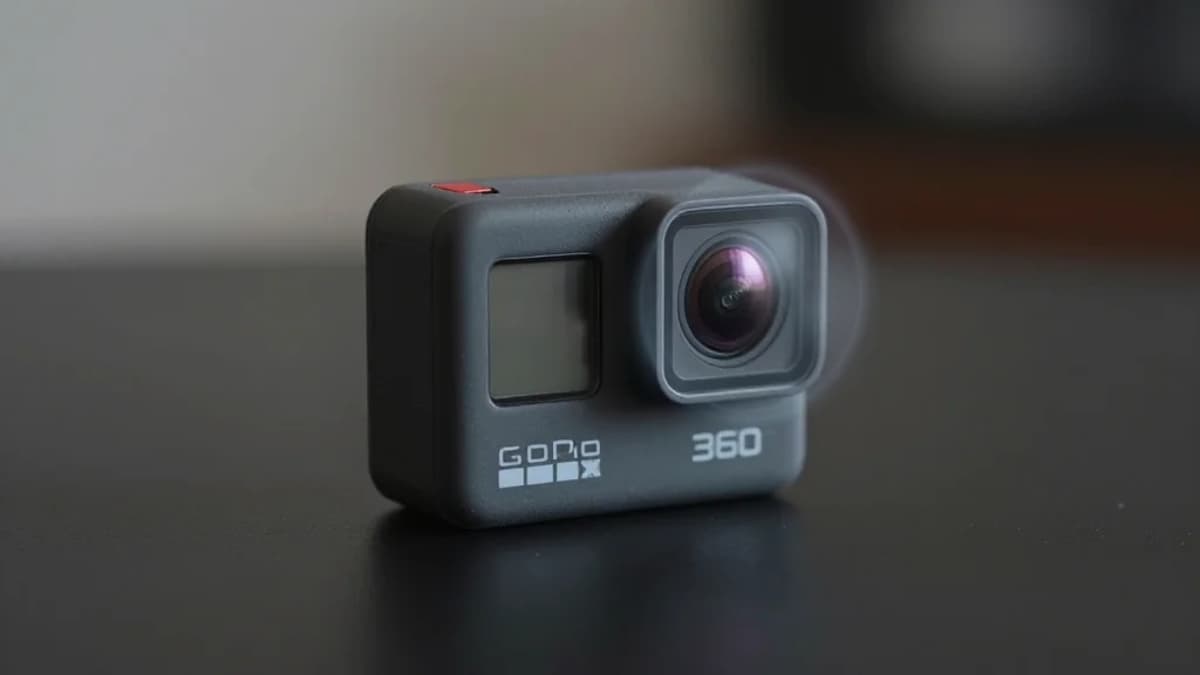
Product innovation remains a key growth lever. GoPro introduced an ultra‑compact HERO camera and refreshed its MAX 360 line, positioning the latter as an entry‑level offering ahead of the flagship MAX 2 slated for later 2025. The validated GP3 SoC promises performance gains across the camera portfolio, potentially redefining industry benchmarks. By expanding its total addressable market through diversified hardware and a robust subscription ecosystem, GoPro aims to reverse the current sales dip and achieve sustainable profitability by 2026.
GoPro Inc (GPRO) Q4 2025 Earnings Call Transcript
0
Comments
Want to join the conversation?
Loading comments...