Serve Robotics Inc (SERV) Q4 2025 Earnings Call Transcript
•March 11, 2026
0
Why It Matters
Serve’s rapid scale and deep platform partnerships position it to become a dominant infrastructure player in autonomous last‑mile delivery, potentially unlocking multi‑digit revenue growth. The financial outlook signals a shift from heavy investment to sustainable, recurring earnings as the fleet matures.
Key Takeaways
- •Q3 revenue $687k, up 210% YoY.
- •Fleet exceeds 1,000 robots, 380 shipped September.
- •Partnerships with DoorDash, Uber cover 80% US deliveries.
- •Annualized revenue run rate target $60‑80M for 2026.
- •Gen3 robots cost one‑third of Gen2 units.
Pulse Analysis
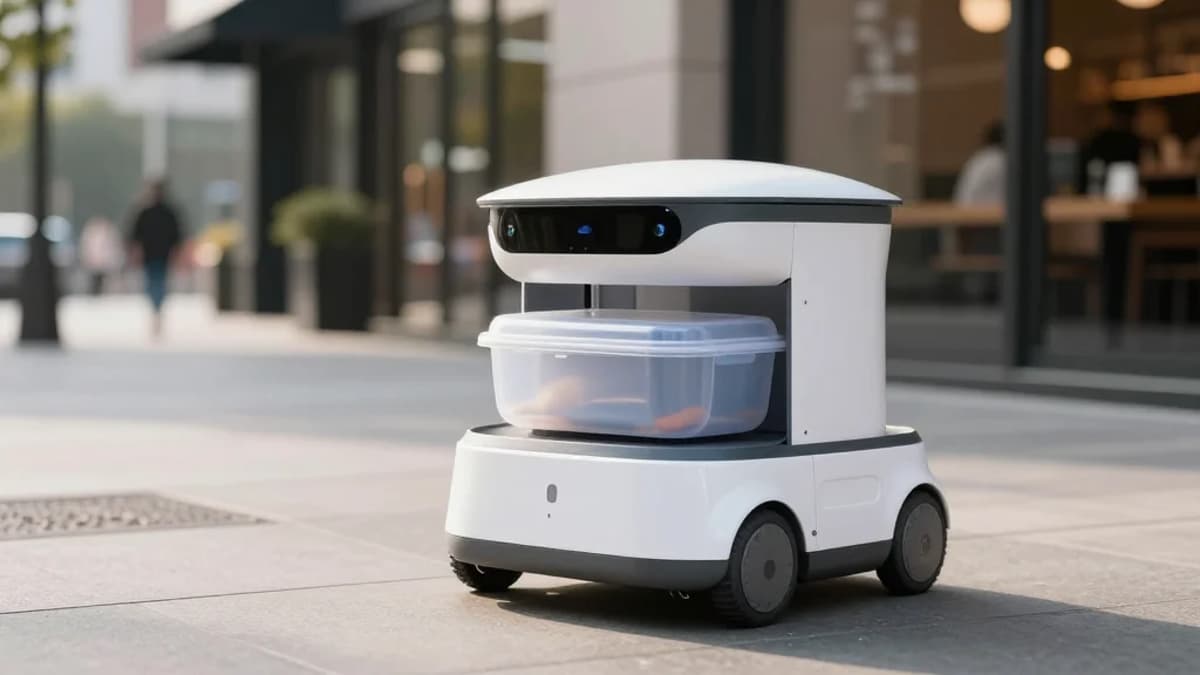
Serve Robotics is riding a wave of macro‑level demand for autonomous, low‑cost last‑mile logistics. Urban consumers increasingly expect instant delivery, while restaurants seek capital‑light fulfillment solutions. By leveraging advances in physical AI, inexpensive sensors, and mass‑produced Gen3 hardware, Serve can deploy robots at a scale few competitors can match, creating a network effect that accelerates data collection and model improvement. This technology stack not only reduces per‑order costs but also opens new revenue streams such as branding placements on the robot fleet.
Financially, the company’s Q3 results underscore a transition from heavy cash burn to a more predictable revenue model. Fleet revenue now accounts for the majority of earnings, and software subscriptions are shifting toward recurring billing, improving margin visibility. With $211 million in cash and a recent $100 million asset sale, Serve has a robust liquidity cushion to fund its aggressive city rollouts and the planned 2,000‑robot milestone by year‑end. The GAAP operating expense of $30.4 million reflects continued investment in R&D and expansion, yet the non‑GAAP figure of $21.8 million hints at disciplined cost management as the business scales.
Looking ahead, Serve’s strategic partnerships with DoorDash and Uber provide a built‑in distribution channel that captures the bulk of U.S. food‑delivery traffic, amplifying utilization rates and unit economics. The integration of YU Robotics strengthens its AI flywheel, enabling faster model iteration and lower intervention rates. As the company targets a $60‑$80 million annualized run rate in 2026, investors will watch for sustained reliability, regulatory approvals in new markets, and the ability to translate fleet growth into profitable recurring revenue. The convergence of technology, capital, and market demand positions Serve as a compelling play in the emerging autonomous delivery ecosystem.
Serve Robotics Inc (SERV) Q4 2025 Earnings Call Transcript
0
Comments
Want to join the conversation?
Loading comments...