Bessent's "Suffocating" Iranian Regime Strategy Materializes In Kharg Island Satellite Imagery
Key Takeaways
- •Kharg Island saw no ocean‑going tankers May 8‑11, longest halt since conflict began
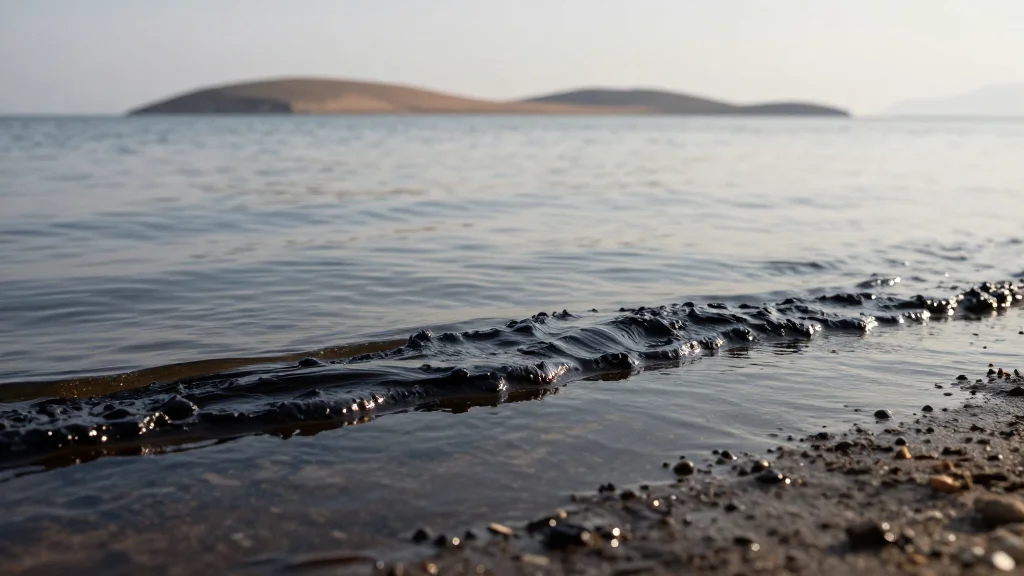
- •80,000‑barrel oil slick covers ~45 sq km near Kharg, indicating infrastructure damage
- •TankerTrackers reports zero crude sea exports for 28 days, refined products limited
- •Iran’s crude storage nearing capacity, risking forced well shut‑ins
- •U.S. blockade of Hormuz and sanctions intensify economic pressure on Tehran
Pulse Analysis
The recent satellite imagery of Kharg Island provides a rare, visual confirmation of the United States’ strategic use of economic warfare against Iran. By sealing off the Strait of Hormuz and layering sanctions on oil‑related entities, Washington has effectively turned Iran’s most critical export terminal into a dead‑end. The absence of tankers, combined with an 80,000‑barrel oil slick, signals not only a logistical bottleneck but also possible damage to loading infrastructure, which could further delay any resumption of shipments.
For Tehran, the implications are immediate and severe. Iran’s oil export revenues—estimated at $10 billion‑plus annually—are a cornerstone of the regime’s fiscal budget, funding everything from public services to military payrolls. With crude shipments halted for nearly a month, the government faces a cash shortfall that may compel it to curtail production, shut in wells, or accelerate the sale of strategic reserves. Such moves would tighten global oil supply, potentially nudging Brent crude higher and reshaping market expectations for the remainder of the year.
Analysts also note that the Kharg shutdown could set a precedent for future sanctions enforcement. The combination of satellite monitoring, open‑source intelligence, and real‑time tanker tracking creates a transparent feedback loop that makes it harder for sanctioned states to conceal compliance gaps. As the U.S. continues to leverage maritime interdiction alongside financial restrictions, other oil‑dependent regimes may find their own export pathways increasingly vulnerable, prompting a reassessment of risk across the broader energy sector.
Bessent's "Suffocating" Iranian Regime Strategy Materializes In Kharg Island Satellite Imagery
Comments
Want to join the conversation?