Daily Memo: India on Russian LNG, Brussels on Afghan Migrants
Key Takeaways
- •India rejects Russian LNG tied to U.S. sanctions
- •Decision communicated during Russian deputy minister's New Delhi visit
- •At least one LNG tanker delayed or rerouted due to policy
- •Move signals India's shift toward diversified energy sources
Pulse Analysis
India’s latest stance on Russian liquefied natural gas reflects a broader recalibration of its energy security calculus. While the country has historically relied on a mix of Middle‑Eastern pipeline gas and spot LNG purchases, the imposition of U.S. secondary sanctions on Russian energy exports has forced policymakers to weigh compliance risks against cost considerations. By explicitly refusing sanctioned Russian cargoes, New Delhi signals a willingness to align with Western pressure points, even as it seeks to avoid supply disruptions that could affect its rapidly growing industrial sector.
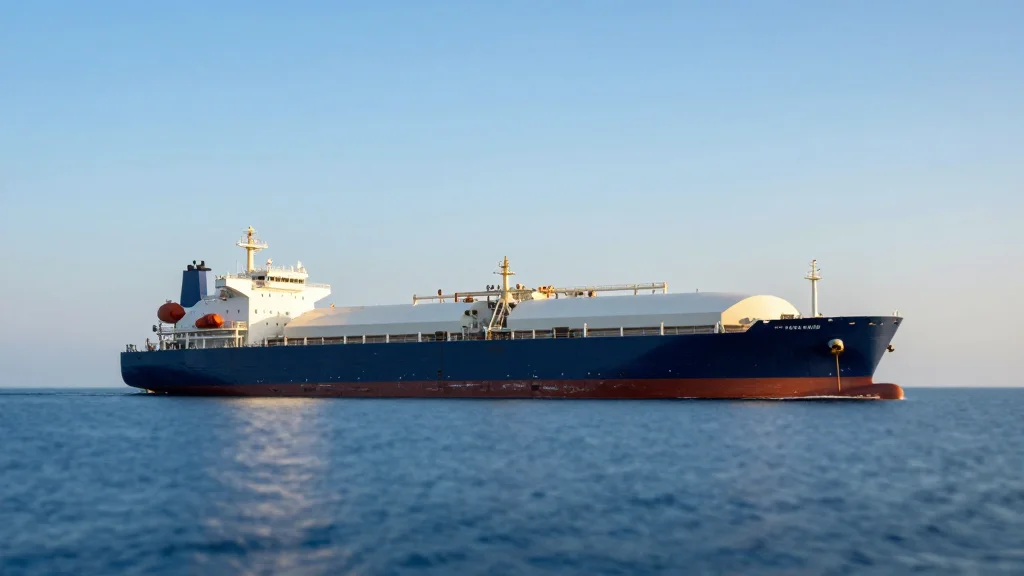
The immediate fallout for Russia is tangible: a tanker carrying sanctioned LNG has been stalled, reducing Moscow’s export volumes at a time when it is courting Asian buyers to offset European demand losses. Shipping firms are now re‑routing vessels to alternative ports or seeking buyers in markets less constrained by U.S. policy, such as China or Turkey. This logistical scramble could depress spot LNG prices in Asia, where buyers are already navigating tighter supply margins. Moreover, the incident highlights the fragility of Russia’s pivot to Asian markets, underscoring how sanctions can still ripple through trade chains despite geographic distance.
Strategically, India’s decision may accelerate its diversification into renewable power, domestic gas exploration, and long‑term contracts with non‑sanctioned suppliers like Qatar and the United States. It also sends a diplomatic cue to Brussels and Washington that New Delhi can act as a responsible stakeholder in global energy governance. As the geopolitical tug‑of‑war over energy intensifies, India’s policy choice could reshape regional gas flows, influence future sanction designs, and set a precedent for other emerging economies balancing cost, security, and political alignment.
Daily Memo: India on Russian LNG, Brussels on Afghan Migrants
Comments
Want to join the conversation?