Facts on the Ground in Hormuz – 85% Oilflow – Iran Tested on Backing Up Threats

Key Takeaways
- •Oil flow reached 17 million barrels in 24 hours, 85% of normal
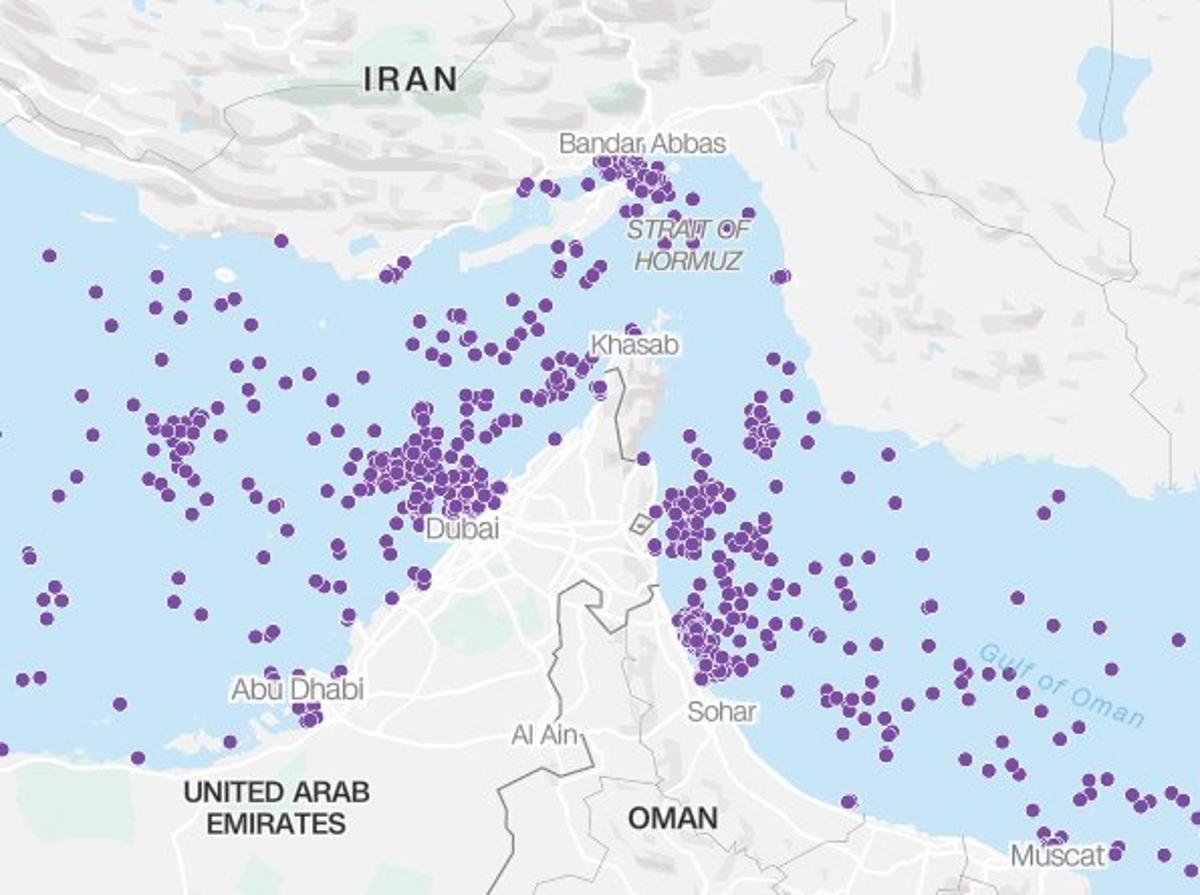
- •55 merchant vessels transited Strait of Hormuz on June 20
- •U.S. forces downed Iranian attack drones protecting commercial traffic
- •Iran’s threats remain largely declarative without successful ship attacks
- •Continued traffic erodes Tehran’s leverage over global oil markets
Pulse Analysis
The Strait of Hormuz remains a critical artery for global energy, handling roughly 20 million barrels of oil daily—about one‑fifth of worldwide seaborne oil trade. After a dramatic contraction to roughly 4 mbpd in May amid heightened Iranian opposition, June 20 saw a swift recovery with 55 vessels moving 17 million barrels, or 85 % of normal capacity. This rebound signals that commercial operators are weighing actual risk over rhetoric, choosing to navigate the waterway as long as physical threats stay limited.
U.S. forces have adopted a posture of persistent presence rather than escorting each ship, deploying warships, surveillance aircraft, and rapid‑response units to deter hostile actions. Recent engagements include the downing of Iranian one‑way attack drones and defensive strikes on Iranian ground‑control sites linked to maritime threats. By neutralizing these low‑cost, high‑risk weapons, the U.S. reinforces confidence among insurers and ship owners, preserving the flow of oil despite Tehran’s verbal warnings. The lack of confirmed mine‑laying or successful attacks further underscores the gap between Iran’s declared intent and its operational capability.
For markets, the continued throughput curtails the risk premium that a full closure would impose on oil prices, stabilizing supply expectations. Iran’s inability to translate threats into tangible disruption erodes its leverage in regional negotiations and diminishes the strategic weight of its anti‑shipping rhetoric. Nevertheless, the situation remains fluid; any escalation—such as successful drone strikes or mining—could quickly reverse the trend, prompting a reassessment of energy‑security strategies worldwide.
Facts on the Ground in Hormuz – 85% Oilflow – Iran Tested on Backing Up Threats
Comments
Want to join the conversation?