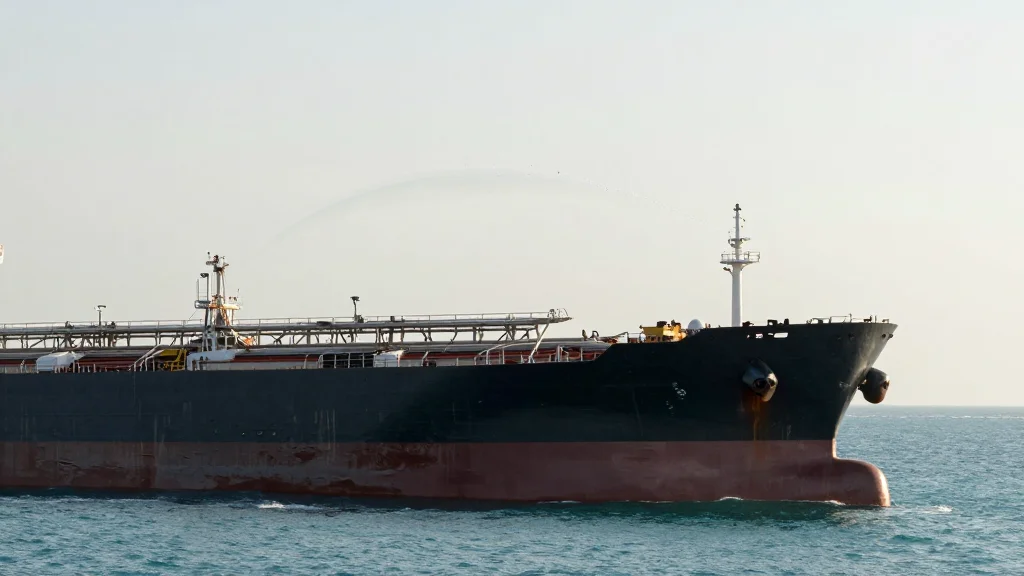
Iran's Floating Oil Stockpile Jumps 65% As U.S. Naval Blockade Bites
Key Takeaways
- •Iranian tanker count rose to 49, up from 29 pre‑blockade.
- •Floating oil stockpile hit ~42 million barrels, a 65% increase.
- •U.S. naval blockade forces Iran to use protected anchorage zones.
- •Ship‑to‑ship transfers and bunkering indicate expanding sanctions‑evasion tactics.
- •Kharg Island loadings stalled, limiting Iran’s conventional export route.
Pulse Analysis
The United States escalated pressure on Tehran in April by deploying a naval blockade aimed at choking Iranian crude exports. Satellite and maritime‑intelligence data reveal a rapid buildup of Iranian‑laden tankers in the Persian Gulf, swelling from 29 to 49 vessels within weeks. This surge reflects Iran’s tactical pivot to floating storage, using anchored ships as temporary reservoirs while it seeks alternative routes past the blockade. The concentration of vessels near Chabahar and in dark anchorage zones underscores a deliberate effort to shield cargoes from interception, leveraging the region’s complex maritime geography.
For global oil markets, the shift has mixed implications. On one hand, the blockade constrains Iran’s ability to ship oil through traditional channels like Kharg Island, which has seen loadings grind to a halt. On the other, the growing reliance on ship‑to‑ship transfers, bunkering, and covert movements could sustain a portion of Iran’s export volume, albeit at higher operational risk and cost. Traders are monitoring the 42 million‑barrel floating stockpile as a potential supply buffer; any sudden release could pressure Brent and WTI prices, while prolonged storage may depress market sentiment due to uncertainty about timing and volume.
Looking ahead, the durability of the U.S. naval presence and Iran’s adaptive logistics will shape regional stability. If Iran successfully expands its covert transfer network, the blockade’s deterrent effect may erode, prompting Washington to consider diplomatic or economic adjustments. Conversely, sustained interdiction could force Tehran to negotiate, potentially reshaping sanctions policy and influencing broader Middle‑East energy dynamics. Stakeholders should watch for shifts in tanker movements, changes in Iranian port activity, and any diplomatic signals that could alter the blockade’s trajectory.
Iran's Floating Oil Stockpile Jumps 65% As U.S. Naval Blockade Bites
Comments
Want to join the conversation?