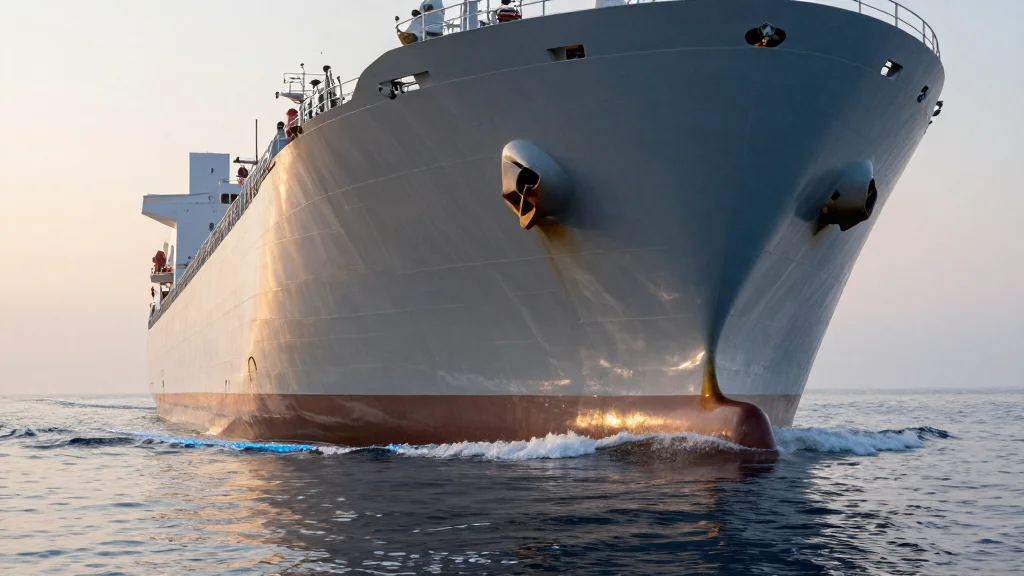
Spoofed Tankers Are Flooding the Strait of Hormuz. These Analysts Are Tracking Them
Key Takeaways
- •Spoofed tankers flood Strait, complicating traffic monitoring
- •US limits high‑resolution satellite imagery over the region
- •Analysts combine SAR, EO, RF, and mobile data for tracking
- •Two‑thirds of traffic involve sanction‑violation vessels
- •Imagery costs decreasing, expanding access for market participants
Pulse Analysis
The Strait of Hormuz remains a chokepoint for roughly 20% of global oil shipments, and any opacity in vessel movements can ripple through energy markets. Recent reports of "spoofed" tankers—ships that deliberately mask their identities or routes—have amplified concerns among insurers, traders, and regulators. Because many of these vessels have prior sanctions breaches, their hidden transits raise the specter of illicit oil flows that could destabilize pricing and undermine enforcement regimes.
In response to a sudden curtailment of high‑resolution satellite imagery by U.S. providers, analysts have turned to a mosaic of older satellite archives, synthetic‑aperture radar (SAR) that penetrates clouds and darkness, and electro‑optical sensors that capture visible and near‑infrared signatures. Companies such as TankerTrackers.com also harvest radio‑frequency emissions and even anonymized mobile‑device pings from crew members to triangulate ship locations. By stitching together these disparate data streams with registry databases, they can infer routes and cargo movements with surprising accuracy, despite the intentional obfuscation by vessel operators.
The broader market impact is twofold. First, insurers gain a clearer risk profile, allowing them to price coverage for high‑risk voyages more precisely. Second, oil traders can better anticipate supply disruptions, informing hedging strategies and spot‑market decisions. As satellite‑image prices continue to fall, the barrier to entry for sophisticated tracking diminishes, potentially democratizing intelligence that was once the domain of large financial houses. This democratization could tighten compliance monitoring, reduce illicit trade, and ultimately contribute to greater stability in a region that underpins worldwide energy security.
Spoofed Tankers Are Flooding the Strait of Hormuz. These Analysts Are Tracking Them
Comments
Want to join the conversation?