3 Things Investors Can Do Now to Keep Control as Oil Prices Shake the Market
Companies Mentioned
Why It Matters
Oil supply shocks generate rapid price swings that affect inflation, corporate earnings, and retirement portfolios, making strategic positioning essential for investors.
Key Takeaways
- •Hormuz blockade raises oil prices, heightening market volatility
- •Review energy exposure; consider majors, mid‑stream, and commodity ETFs
- •Reallocating, hedging, or speculating depend on risk tolerance and horizon
- •Patience and a solid plan outperform panic trades during crises
Pulse Analysis
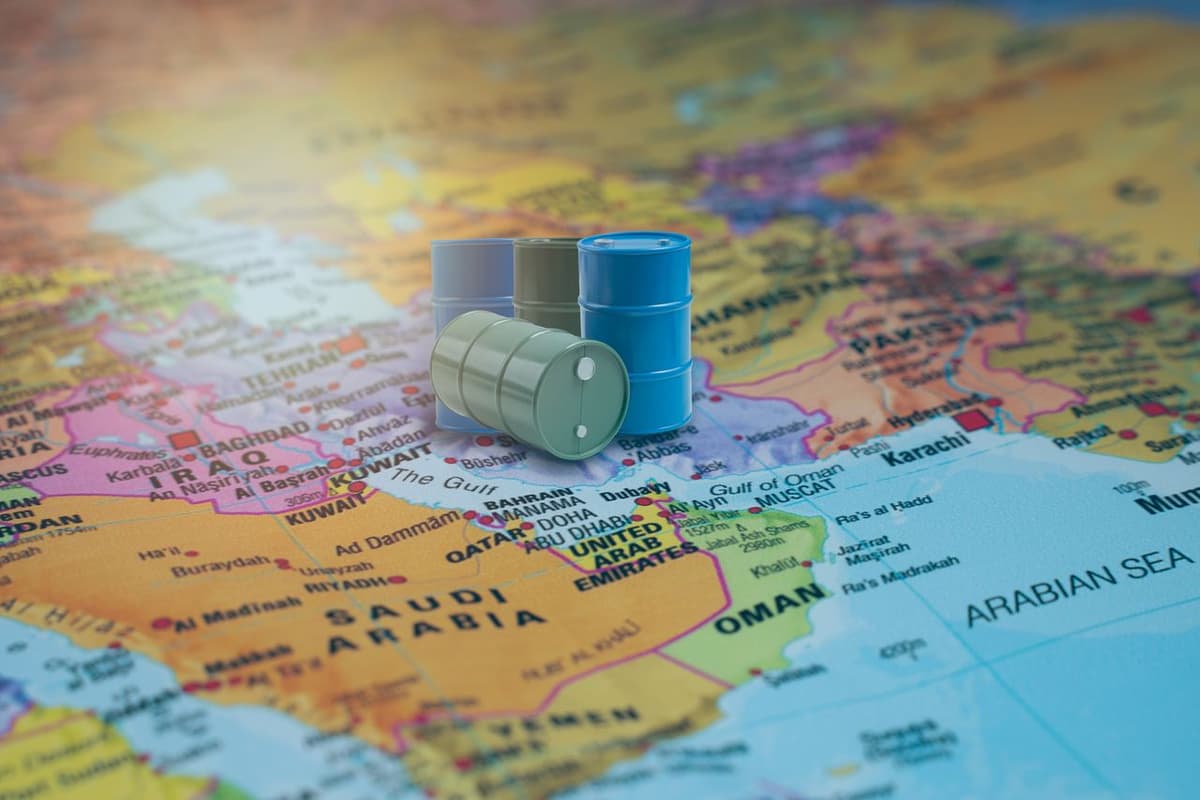
The Strait of Hormuz has long been a chokepoint for global petroleum flows, and any escalation there instantly reverberates through the pricing of crude. Recent diplomatic deadlock and a U.S. naval blockade have tightened supply, pushing Brent and WTI toward record highs. Analysts compare the situation to the 2019‑2020 Gulf tensions, noting that even a brief interruption can trigger a backwardation in oil futures and lift inflation expectations. Understanding the geopolitical backdrop—from Iran’s leverage to OPEC’s swing‑producer role—helps investors gauge how long‑term the price shock may last.
For portfolio managers the immediate question is how to translate that volatility into risk‑adjusted returns. Energy equities such as Chevron, ExxonMobil, and Occidental have divergent exposure profiles; super‑majors benefit from higher margins while mid‑stream operators enjoy take‑or‑pay contracts that smooth cash flow. Commodity‑linked ETFs, including the United States Oil Fund (USO) and broader materials baskets, offer a quick hedge against rising prices and inflation. Meanwhile, strategic reallocation—whether trimming oil weight, adding defensive sectors, or employing futures contracts—should align with an investor’s time horizon and tolerance for drawdowns.
Behaviorally, the temptation to panic‑buy or panic‑sell can erode long‑term compounding, a lesson reinforced by past crises from 2008 to the COVID‑19 shock. Sticking to a disciplined asset‑allocation plan, regularly reviewing exposure, and using hedges only when the risk‑reward calculus is clear can preserve capital while still capturing upside. As the Hormuz impasse unfolds, investors who maintain flexibility—ready to shift between reallocation, hedging, or simply “sitting on their hands”—will be best positioned to navigate price swings and emerge stronger when markets stabilize.
3 Things Investors Can Do Now to Keep Control as Oil Prices Shake the Market
Comments
Want to join the conversation?
Loading comments...