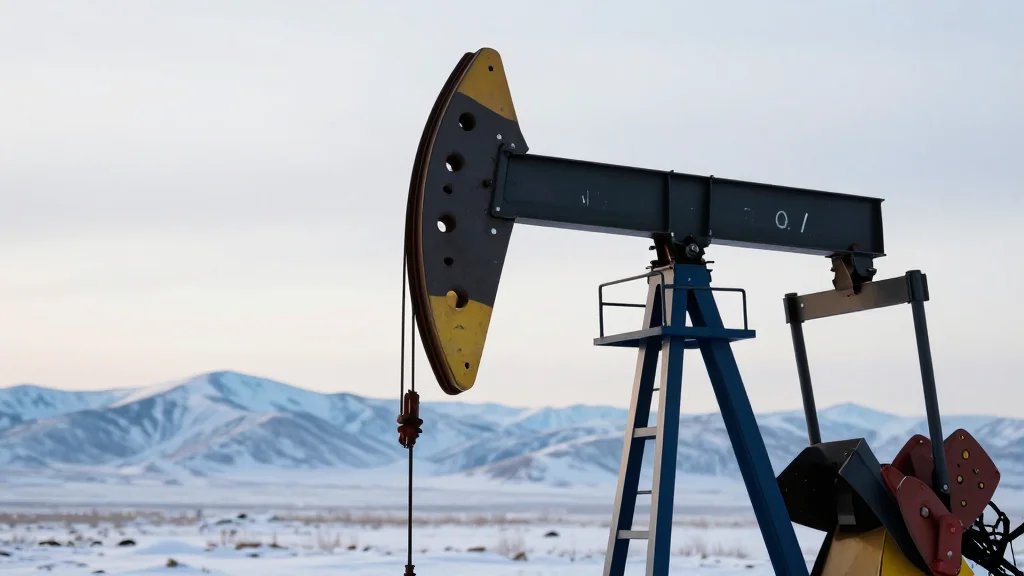
Alaska Oil Revival Triggers New Arctic Drilling Surge and Pipeline Capacity Fears

Companies Mentioned
Why It Matters
The Alaska oil resurgence reshapes U.S. energy security by adding domestic crude to a market still vulnerable to geopolitical shocks. If the Trans‑Alaska Pipeline can handle the renewed flow, the state could once again become a major supplier to the lower 48, reducing import dependence. At the same time, the push raises high‑stakes environmental questions. The NPRA’s fragile Arctic ecosystem is a critical carbon sink and wildlife habitat; intensified drilling could accelerate climate change and trigger legal challenges that may delay or block projects, influencing the broader debate over Arctic resource development.
Key Takeaways
- •Alaska crude production rose from 567,000 bpd, its lowest level, toward pre‑decline levels.
- •Federal lease auction in March fetched $164 million, a record for the NPRA.
- •USGS estimates 8.7 billion barrels of recoverable oil in the NPRA.
- •TAPS, built for 2 million bpd, faces wax buildup risk as flow patterns change.
- •Environmental groups label the drilling surge a "gold rush" threatening 23 million acres of Arctic habitat.
Pulse Analysis
The Alaska revival is more than a regional story; it signals a broader shift toward domestic, high‑cost oil projects as global supply tightens. Historically, the state’s oil boom peaked in the early 2000s, then collapsed under regulatory and market pressures. The current surge, driven by a combination of geological reassessment and a permissive policy environment, could re‑anchor U.S. supply chains, especially if pipeline capacity is modernized.
However, the economics are delicate. The $164 million lease auction reflects strong investor confidence, yet the capital intensity of Arctic drilling—high labor costs, extreme weather, and logistical challenges—means that only firms with deep pockets and long‑term horizons will commit. If the pipeline bottleneck persists, producers may look to export via the Pacific, reshaping trade flows and potentially inviting new geopolitical friction with China and Russia over Arctic shipping lanes.
Finally, the environmental backlash could become a decisive factor. Legal actions by NGOs and indigenous groups have already delayed projects in the past, and the heightened public scrutiny of Arctic ecosystems may force companies to adopt stricter mitigation measures or face costly delays. The balance between energy security, economic gain, and ecological stewardship will define whether Alaska’s oil renaissance becomes a sustainable pillar of U.S. energy policy or a fleeting flash in the Arctic’s volatile landscape.
Alaska Oil Revival Triggers New Arctic Drilling Surge and Pipeline Capacity Fears
Comments
Want to join the conversation?
Loading comments...