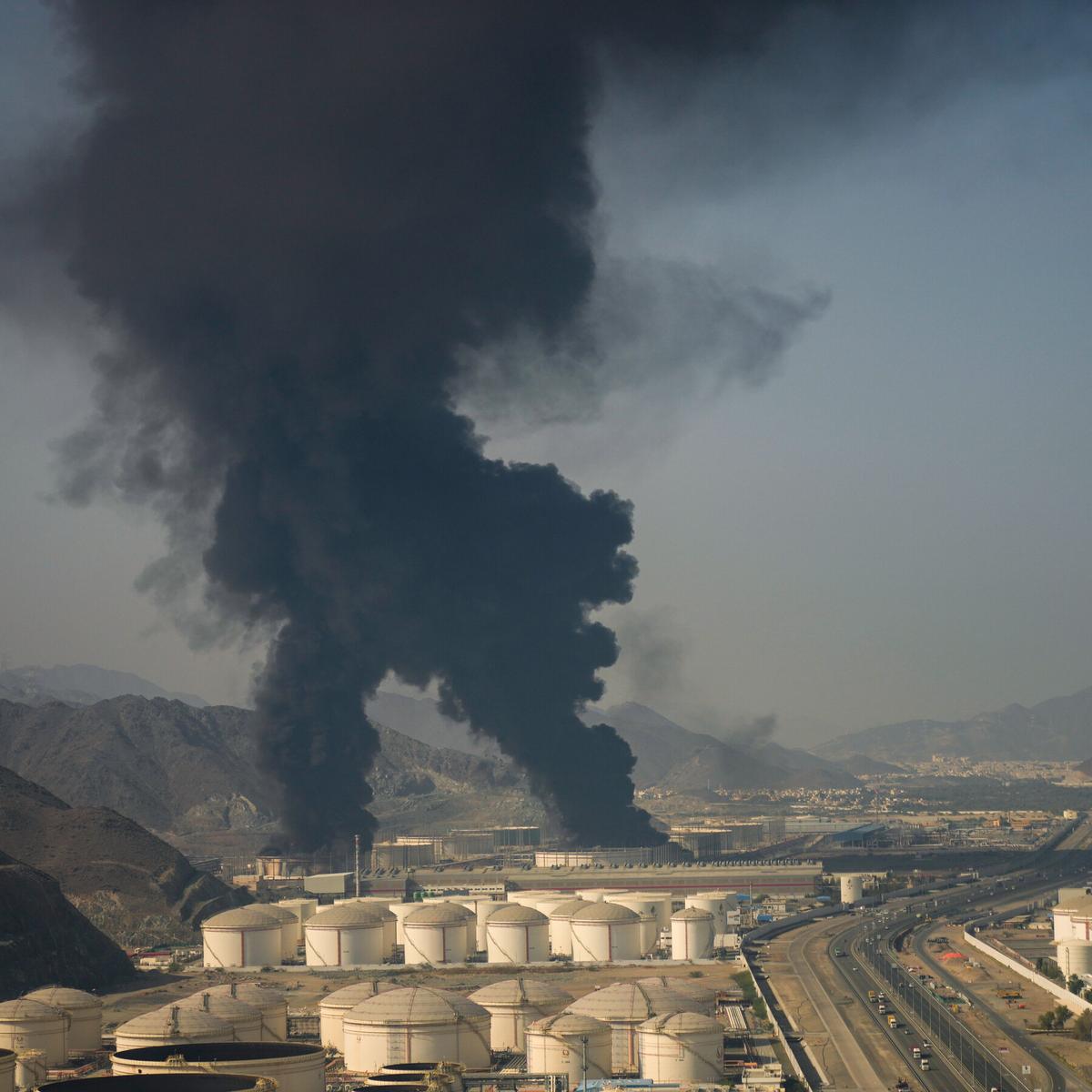
Amid Iran War and Tensions with Neighbors, U.A.E. Goes Its Own Way
Why It Matters
UAE’s OPEC exit could reshape Gulf energy dynamics, boosting global supply and weakening Saudi influence over oil pricing. It also signals a realignment of alliances that may affect security and economic cooperation in the Middle East.
Key Takeaways
- •UAE exits OPEC, signaling independent oil policy
- •Move aims to boost production amid Saudi‑led quota constraints
- •Decision reflects broader rift with Saudi Arabia over Iran conflict
- •Potential withdrawal from regional blocs could reshape Gulf geopolitics
- •Higher output may temper global oil prices, aiding US energy agenda
Pulse Analysis
The United Arab Emirates’ departure from OPEC marks a rare break from the Saudi‑dominated cartel that has set global oil output for decades. With roughly 3.5 million barrels per day of spare capacity, the Emirates can now pursue a production‑first strategy, sidestepping the quota system that has limited its growth. The timing—coinciding with a high‑profile Gulf summit and escalating Iranian missile strikes—highlights how the war has forced Gulf states to reassess collective security and economic coordination.
Beyond the oil market, the decision deepens a political schism that has been simmering between Abu Dhabi and Riyadh. While both nations have publicly framed themselves as “brothers” in the face of Iranian aggression, they have diverged on key regional issues, from support for rival factions in Yemen and Sudan to differing stances toward Israel. The UAE’s willingness to challenge Saudi leadership may spill over into other multilateral bodies, with speculation about exits from the Arab League, GCC, or OIC, potentially redrawing the geopolitical map of the Gulf.
For investors and policymakers, the immediate impact could be a modest increase in global supply that eases price pressures, a welcome development for U.S. officials grappling with high energy costs. However, the longer‑term outlook remains uncertain as the war drags on and the world pivots toward renewable energy. If the Emirates continues to prioritize short‑term oil revenues, it may secure short‑run fiscal gains but risk accelerating its own transition away from fossil fuels. The move underscores a broader trend: Gulf states are increasingly charting independent economic paths, reshaping both regional power balances and global energy markets.
Amid Iran War and Tensions with Neighbors, U.A.E. Goes Its Own Way
Comments
Want to join the conversation?
Loading comments...