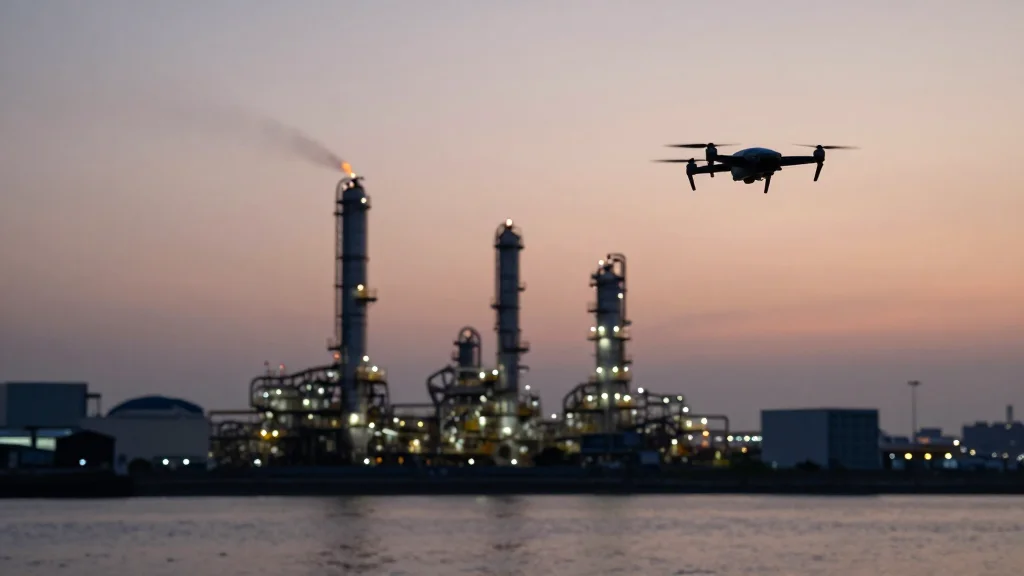
April 7 Business Watch: Iran War Hits Persian Gulf Facilities; Trump Throws Tariffs on Pharma
Companies Mentioned
Why It Matters
Disrupted petrochemical supplies tighten global plastics markets, and the steep drug tariff could double U.S. medication costs, reshaping manufacturing and pricing dynamics.
Key Takeaways
- •Iran‑UAE petrochemical plants attacked, production suspended
- •Strait of Hormuz closure cuts Asian feedstock by >10%
- •Borouge’s 5 Mt polyethylene/polypropylene output halted
- •Trump imposes 100 % tariff on imported brand drugs
- •Onshoring pharma gains 20 % tariff, spurring U.S. investment
Pulse Analysis
The latest flare‑ups in the Persian Gulf have turned the region into a chokepoint for the global petrochemical supply chain. With the Strait of Hormuz effectively shut, Asian producers that rely on Middle‑East feedstocks are already curbing output, a trend that will ripple through downstream markets for polymers, synthetic rubber, and textile fibers. Analysts expect spot prices for ethylene and p‑xylene to climb, pressuring manufacturers of everything from medical gloves to automotive tires and prompting buyers to seek alternative sources or stockpile critical intermediates.
President Trump’s unilateral decision to levy a 100 % tariff on imported brand‑name drugs adds another layer of cost pressure, especially for consumers and insurers. While the policy carves out a 20 % rate for firms that relocate manufacturing to the United States, the steep duty on the remaining imports could translate into near‑doubling of retail prices for many high‑margin pharmaceuticals. The move is likely to accelerate onshoring initiatives, but it also risks supply‑chain disruptions as companies scramble to meet regulatory and capacity challenges in a tighter domestic market.
Both developments underscore a broader shift toward supply‑chain resilience and strategic investment in the chemical and life‑science sectors. Private‑equity firms are already moving, as seen in Arclin’s $1.8 billion acquisition of DuPont’s aramid business and KKR’s $3.2 billion take‑private of Japan’s Taiyo Holdings, positioning portfolios to benefit from higher commodity prices and domestic manufacturing incentives. Meanwhile, clean‑tech financing, such as the IFC’s $125 million loan for a renewable‑powered polysilicon plant in Malaysia, signals that investors are hedging against volatility by backing sustainable, vertically integrated projects that can weather geopolitical shocks.
April 7 Business Watch: Iran war hits Persian Gulf facilities; Trump throws tariffs on pharma
Comments
Want to join the conversation?
Loading comments...