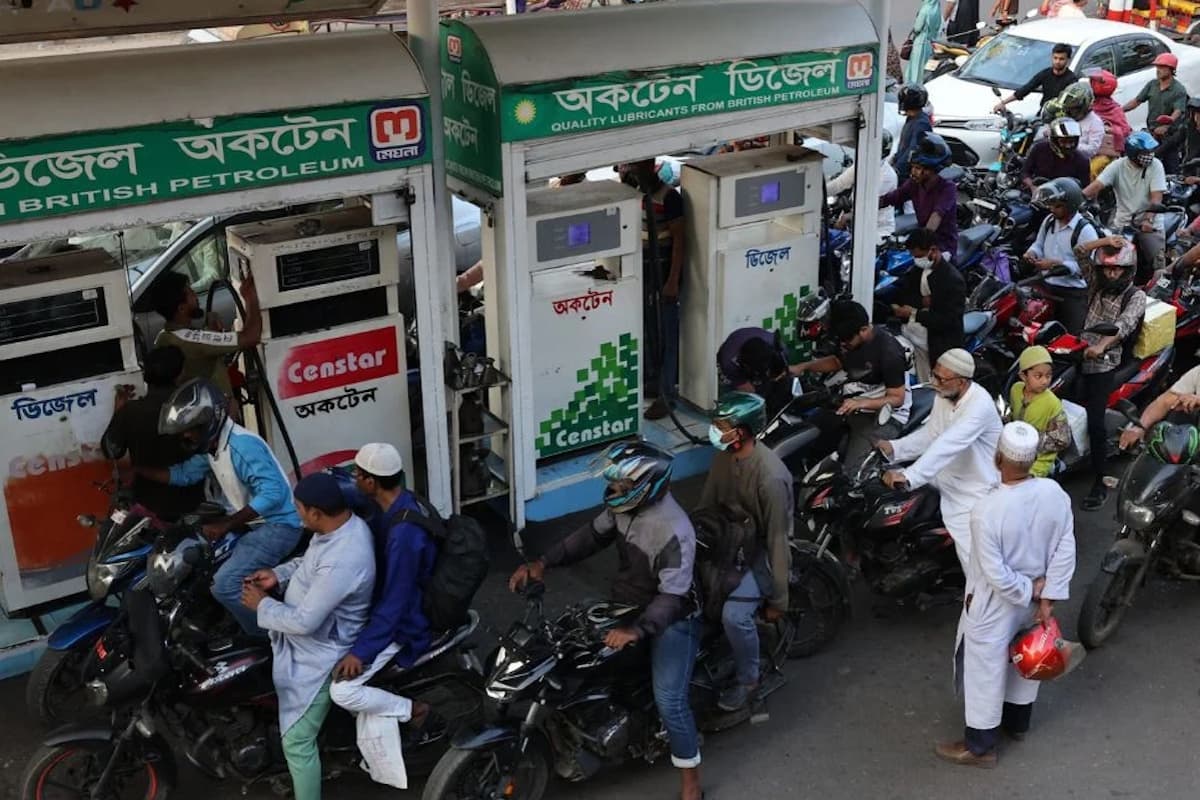
Asia Fracturing Into Energy Security Haves and Have-Nots
Why It Matters
Energy‑security disparities are reshaping inflation, growth and borrowing costs, forcing investors to prioritize country‑specific fundamentals over broad regional exposure.
Key Takeaways
- •Japan, South Korea, Singapore can outbid for oil amid supply shocks
- •Bangladesh inflation above 8%; Thailand growth forecast cut to 1.5%
- •ADB lowered Asia growth outlook to 4.7% and raised inflation to 5.2%
- •Low‑reserve nations face weaker currencies, higher borrowing costs
- •Energy‑intensive firms in weaker economies see margin compression
Pulse Analysis
The Asian growth narrative is undergoing a structural shift as energy security becomes the primary differentiator among nations. Disruptions in the Strait of Hormuz have exposed the uneven ability of countries to purchase oil, with Japan’s $1 trillion and South Korea’s $400 billion in foreign‑exchange reserves acting as a financial shield. In contrast, economies like Bangladesh and Thailand, lacking such buffers, are grappling with double‑digit inflation and downgraded growth forecasts, prompting a reassessment of regional risk models.
For investors, the implications are immediate and profound. Currency markets already reflect the divide: Japan has deployed roughly $35 billion to support the yen, while peers with limited reserves see their currencies depreciate, feeding higher import‑price inflation. Bond yields are diverging as well; nations with weak external balances face steeper borrowing costs, tightening fiscal space just as they must fund energy subsidies. Energy‑intensive sectors in these economies—chemicals, transport, heavy industry—are seeing margin compression, whereas firms in reserve‑rich countries retain pricing power and competitive advantage.
Strategically, capital allocation must pivot from a blanket "Asia" exposure to a granular, metric‑driven approach. Key indicators now include foreign‑exchange reserves, current‑account balances, and the proportion of oil imports to GDP. Even giants like China and India, despite scale, remain vulnerable due to high import dependence. Central banks face a tightrope between rate hikes to defend currencies and the risk of stalling growth. Investors who integrate these energy‑security lenses into their analysis will better navigate the emerging tiered landscape and capture the upside in resilient economies.
Asia fracturing into energy security haves and have-nots
Comments
Want to join the conversation?
Loading comments...