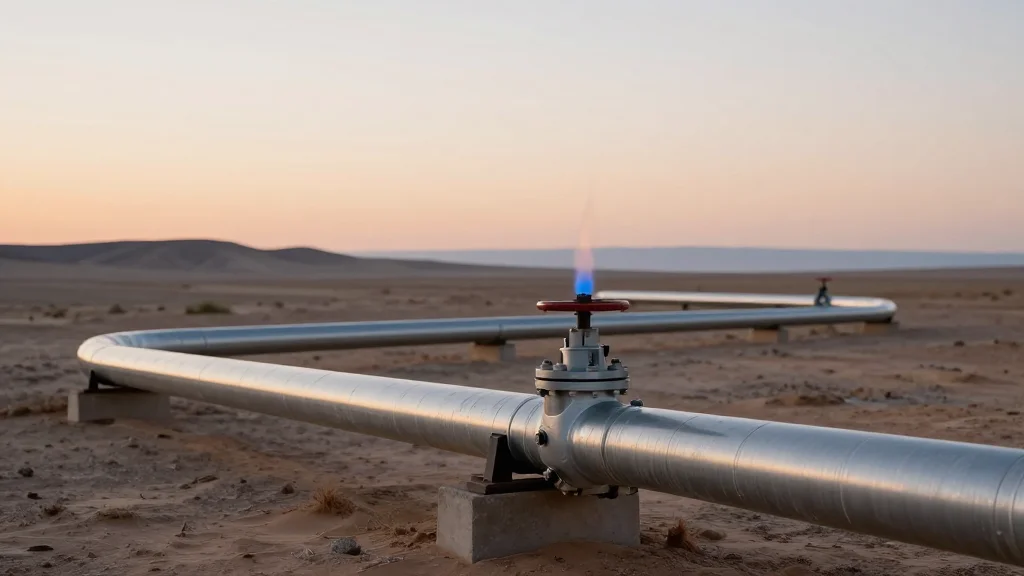
BP Leading Effort to Develop Energy Deposits in Kazakhstan, Uzbekistan
Why It Matters
The partnership could unlock low‑cost onshore gas, boost Kazakhstan’s fiscal returns, and provide Europe with a diversified supply route, strengthening energy security across the continent.
Key Takeaways
- •BP signs exploration deal with KazMunayGaz for Ustyurt block
- •Uzbekistan, SOCAR, and BP consider joint development of Ustyurt
- •Zhylyoi field estimated at 20 billion tons, onshore advantage
- •Potential PSA could give Kazakhstan larger revenue share
- •BP eyes trans‑Caspian pipeline to supply European markets
Pulse Analysis
The Ustyurt Plateau, straddling Kazakhstan and Uzbekistan, has emerged as a new frontier for natural‑gas exploration after a series of high‑profile deals. BP’s recent agreement with KazMunayGaz and its outreach to Uzbekneftegaz and SOCAR signal a coordinated push to tap what analysts describe as a "second Kashagan" onshore resource. By leveraging its extensive experience in the Caspian region, BP aims to streamline field development, reduce capital intensity, and position itself as a conduit for Central Asian gas to global markets.
Beyond the geological promise, the economic architecture of any future production‑sharing agreement could dramatically shift Kazakhstan’s earnings profile. Unlike the Kashagan offshore PSA, which limited the state’s profit share, an onshore PSA for the Zhylyoi or Ustyurt fields would likely grant Astana a larger slice of export revenues. This fiscal upside, combined with lower development costs, makes the projects attractive to both sovereign investors and multinational oil majors. Moreover, the prospect of a trans‑Caspian pipeline—linking Kazakh and Turkmen gas through Azerbaijan to the Southern Gas Corridor—offers Europe a strategic alternative to Russian supplies, reinforcing the continent’s diversification agenda.
Realizing this vision, however, hinges on navigating geopolitical sensitivities, securing financing, and overcoming technical hurdles associated with cross‑border infrastructure. BP must align the interests of three state actors—Kazakhstan, Uzbekistan, and Azerbaijan—while meeting European regulatory standards for gas quality and sustainability. If successful, the corridor could unlock billions of cubic feet of gas annually, stimulate regional job creation, and reshape the global energy trade map, underscoring the strategic importance of Central Asian hydrocarbons in the post‑pandemic recovery.
BP leading effort to develop energy deposits in Kazakhstan, Uzbekistan
Comments
Want to join the conversation?
Loading comments...