Brazil’s Record Oil Production Comes at a Crucial Moment for Global Markets
Companies Mentioned
Why It Matters
Brazil’s expanding, low‑cost oil and gas supply diversifies global markets and bolsters energy security for the Americas amid Middle‑East volatility, while attracting significant foreign investment.
Key Takeaways
- •Record 4.24 mb/d oil output in March 2026.
- •Petrobras to spend $109 bn by 2030, $78 bn on upstream.
- •Pre‑salt fields breakeven under $35 per barrel.
- •Natural‑gas output reached 7.2 bcf/d, 23% YoY growth.
- •Raia project to meet 15% of Brazil’s gas demand 2028.
Pulse Analysis
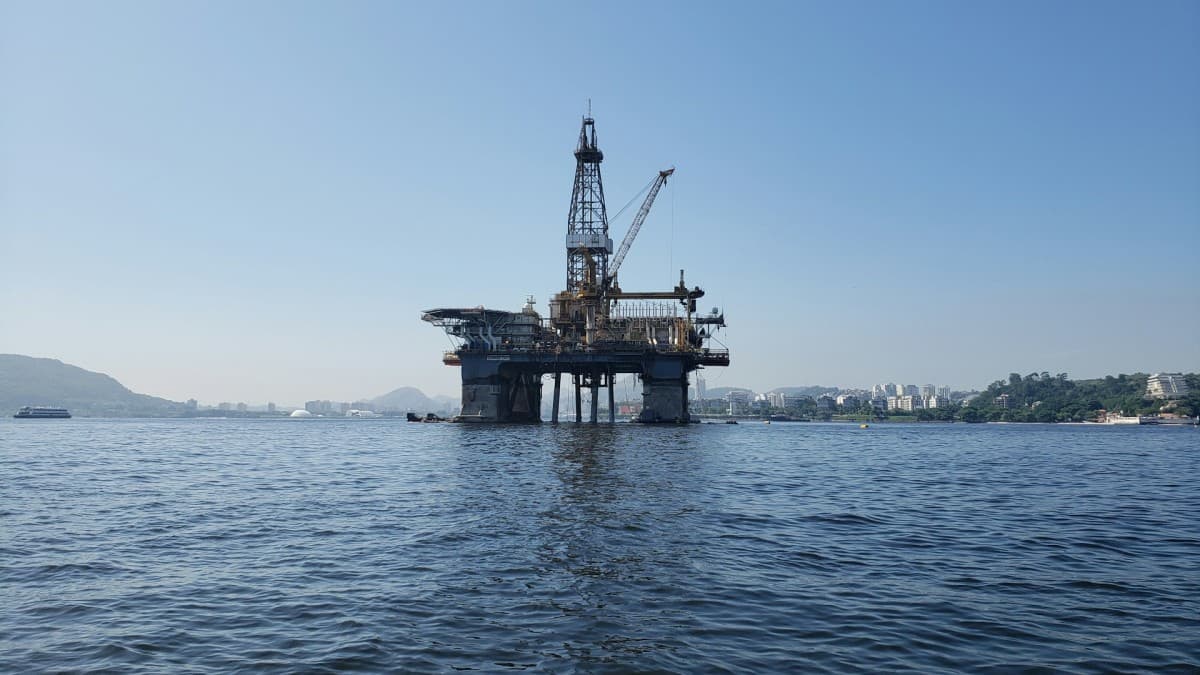
Brazil’s oil boom is rooted in the pre‑salt reservoirs of the Santos Basin, where ultra‑deepwater drilling has pushed daily output to a historic 4.24 million barrels. The surge reflects a decade‑long strategy of leveraging low‑cost, low‑carbon offshore assets, with Petrobras earmarking $109 billion in capex through 2030—$78 billion dedicated to exploration and production. International majors such as Shell and Equinor are deepening their stakes, underscoring confidence in Brazil’s geological upside and the profitability of fields that break even below $35 a barrel.
The timing of Brazil’s production surge aligns with heightened geopolitical risk in the Middle East, notably the recent closure of the Strait of Hormuz that rattled global oil prices. As traditional exporters face supply disruptions, Brazil’s growing output offers a non‑Middle‑Eastern source of crude and natural gas, enhancing energy security for the Western Hemisphere. Moreover, Brazil’s offshore operations emit roughly 10‑12 kg CO₂ per barrel—well below the global average—making the country an attractive partner for investors seeking both financial returns and lower carbon footprints.
Looking ahead, Brazil aims to lift 2.7 million barrels per day by 2028, with pre‑salt fields supplying the bulk of that volume. The $9 billion Raia gas project, slated for 2028, could satisfy up to 15% of domestic gas demand, mitigating the regional impact of declining production in Trinidad and Tobago. Continued investment, favorable breakeven economics, and a strategic focus on low‑emission extraction position Brazil to become a cornerstone of global energy supply, though challenges such as regulatory stability and infrastructure constraints will need careful management.
Brazil’s Record Oil Production Comes at a Crucial Moment for Global Markets
Comments
Want to join the conversation?
Loading comments...