Caspian and Central Asian Oil Markets Recalibrate Amid Trade Shifts
Why It Matters
The shift to demand‑driven trading and quality‑focused crude reshapes revenue streams for Central Asian exporters and offers investors new infrastructure opportunities, while influencing global oil pricing dynamics.
Key Takeaways
- •Traders shift to short‑term arbitrage as Asian demand spikes
- •Kazakhstan, Azerbaijan, Turkmenistan rely on pipelines but explore flexible routes
- •China’s Belt‑Road investments boost road corridors linking Central Asia to markets
- •High‑quality Caspian crudes like Azeri Light attract European refiners
- •$10‑20 billion infrastructure spend seen as 15‑30‑year payoff
Pulse Analysis
Volatile global oil markets are forcing Caspian and Central Asian producers to abandon rigid, long‑term contracts in favor of agile, short‑term trading strategies. Asian refiners, led by China and India, now set the pricing agenda, prompting exporters to react quickly to arbitrage windows. This flexibility creates niche profit opportunities for traders but also raises operational challenges for producers accustomed to predictable cash flows. The shift underscores the region’s growing integration into Asia‑centric supply chains, reshaping the traditional Europe‑focused export model.
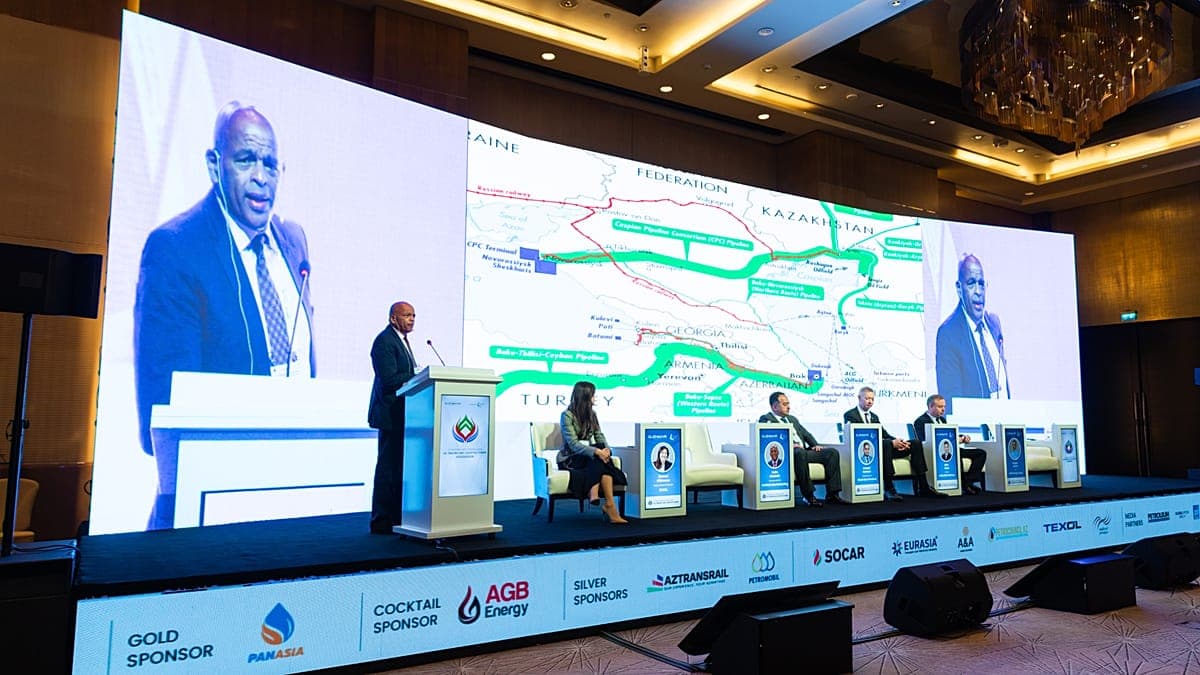
Infrastructure remains a double‑edged sword. While the CPC pipeline to the Black Sea and Azerbaijan’s BTC corridor continue to dominate crude flows, investors are eyeing alternative routes that enhance resilience. China’s Belt‑and‑Road Initiative has poured roughly $70 billion into Pakistan’s road and power networks, unlocking new over‑land corridors such as the nascent Kyrgyzstan‑to‑Pakistan dry‑cargo lane. Analysts estimate that a $10‑20 billion investment in flexible logistics could yield returns over 15‑30 years, especially given Pakistan’s 240 million‑person market and the broader Central Asian growth outlook.
Quality is emerging as a competitive differentiator. Caspian blends, particularly Azerbaijan’s high‑grade Azeri Light, are prized for producing cleaner diesel and jet fuel, aligning with stricter environmental standards in Europe and beyond. As tanker availability tightens and freight costs climb, refiners are willing to pay premiums for superior crude that reduces downstream processing expenses. Consequently, producers that can consistently deliver high‑quality grades stand to capture market share, even as overall margins face pressure from heightened volatility and rising logistics costs.
Caspian and Central Asian oil markets recalibrate amid trade shifts
Comments
Want to join the conversation?
Loading comments...