China Confronts Middle East Supply Shock, as State Council Mulls Energy Strategy
Why It Matters
The move safeguards China’s growth trajectory by mitigating a strategic vulnerability in oil supply, while aligning with its long‑term carbon‑neutrality goals and reshaping global energy dynamics.
Key Takeaways
- •China imports about 70% of its oil, underscoring vulnerability.
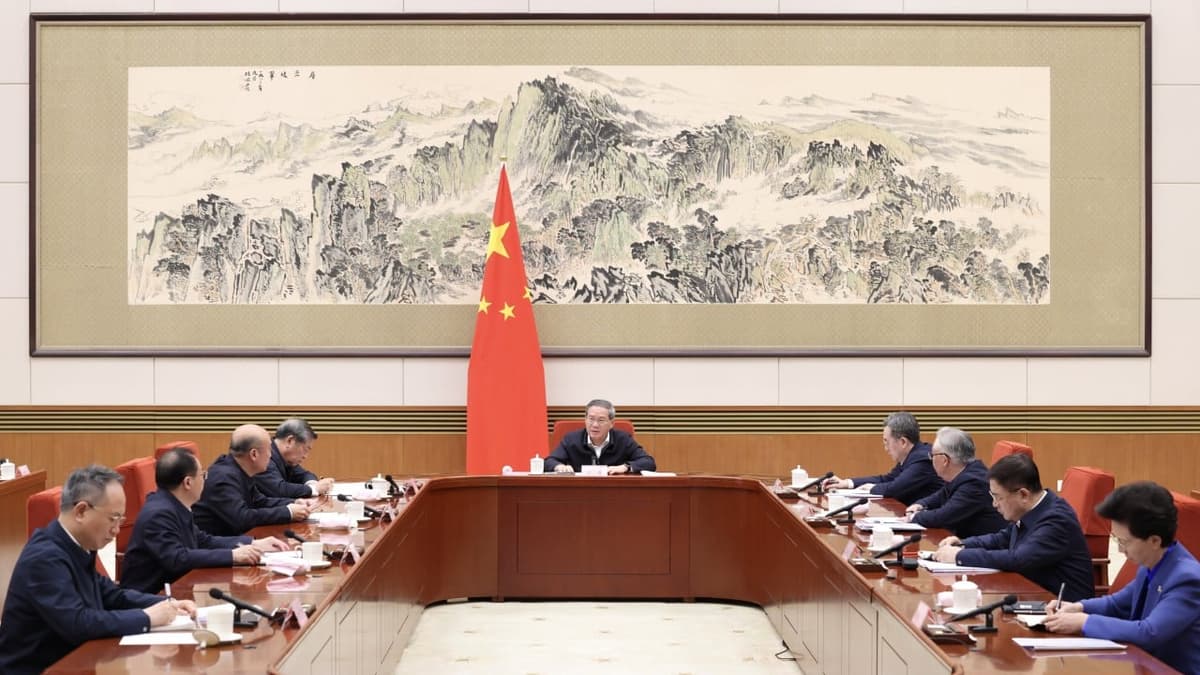
- •Premier Li led State Council session on energy security and transformation.
- •Oil stockpiles cushioned economy, supporting 5% Q1 GDP growth.
- •China will expand renewables and upgrade coal plants for back‑stop.
- •Beijing aims to deepen oil‑gas cooperation with Russia.
Pulse Analysis
The Strait of Hormuz, a chokepoint for roughly a third of global oil shipments, has become a geopolitical flashpoint as tensions rise between the United States and Iran. China, which sources about 70% of its oil through this narrow waterway, faced the prospect of supply disruptions that could reverberate through its manufacturing and logistics sectors. By building sizable strategic reserves before the conflict, Beijing insulated its economy, allowing a robust 5% year‑on‑year GDP expansion in the first quarter despite the broader market volatility.
In response, Premier Li Qiang chaired a State Council study session that placed energy security at the core of national stability. The agenda blended short‑term safeguards—such as expanding oil and gas reserves and deepening cooperation with Russia—with a longer‑term pivot toward clean energy. Li called for accelerated deployment of wind, solar and hydropower, while acknowledging coal’s continued role as a reliable back‑stop. He also highlighted artificial intelligence and grid modernization as critical enablers for a flexible, low‑carbon power system, and pledged reforms to reward green‑energy producers through a revamped electricity market.
China’s dual focus on resilience and decarbonisation carries significant implications for global markets. Strengthening strategic reserves and diversifying import routes can dampen the shockwaves of any future Hormuz blockage, while its aggressive renewable push pressures traditional energy exporters to adapt. Moreover, the announced partnership expansion with Russia signals a geopolitical shift that could reshape oil‑gas trade flows. As Beijing balances immediate security needs with its 2030 carbon‑peak and 2060 neutrality targets, the world watches how its policy blend will influence supply chains, commodity prices, and the broader transition to a greener energy landscape.
China confronts Middle East supply shock, as State Council mulls energy strategy
Comments
Want to join the conversation?
Loading comments...