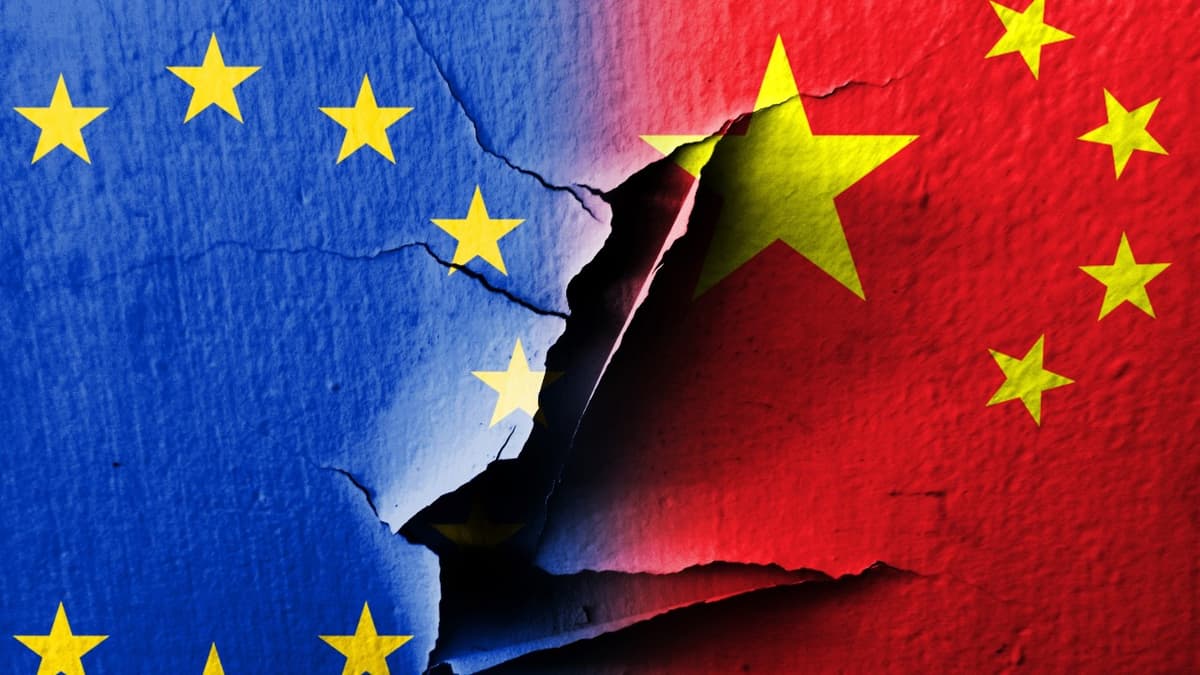
China Vows Action After EU Cuts Funding for Green Projects Using Chinese Inverters
Companies Mentioned
Why It Matters
The decision threatens the EU’s renewable‑energy rollout and could spark a trade escalation that destabilises global solar‑equipment markets. It also tests the resilience of Europe’s green‑transition financing amid rising geopolitical friction.
Key Takeaways
- •EU bans funding for projects using Chinese solar inverters
- •China labels the move discriminatory and threatens countermeasures
- •Inverter market share: Huawei and Sungrow lead globally in 2025
- •EU decision may hinder its green transition and energy security
- •New Chinese supply‑chain law enables investigations and possible export restrictions
Pulse Analysis
The European Commission’s recent prohibition on EU‑funded renewable projects that rely on Chinese inverters reflects growing geopolitical scrutiny over critical‑technology supply chains. While the EU argues that security risks justify the ban, industry analysts note that Chinese manufacturers such as Huawei and Sungrow command roughly 40% of the global inverter market, offering cost‑effective, high‑efficiency solutions that many European developers depend on. By excluding these components, the EU risks inflating project costs and slowing the deployment of solar capacity needed to meet its 2030 climate targets.
Beijing’s swift condemnation frames the policy as a discriminatory trade barrier, invoking its newly enacted supply‑chain security legislation. The law empowers the State Council to launch investigations and impose measures ranging from special levies to export controls against entities deemed to threaten Chinese industrial interests. This legal backdrop raises the prospect of reciprocal actions, potentially targeting European firms operating in China or broader sectors linked to the renewable‑energy value chain. Such retaliation could reverberate through global markets, unsettling investors and manufacturers who rely on cross‑border cooperation.
For the EU, the challenge lies in balancing security concerns with the practicalities of a rapid green transition. Alternatives to Chinese inverters exist, but they are often more expensive and lack the same scale of production, which could delay critical infrastructure upgrades and undermine energy‑security objectives. Policymakers may need to consider targeted safeguards—such as certification standards—rather than blanket funding bans, to preserve supply‑chain diversity while addressing geopolitical risks. The outcome will shape not only EU‑China trade dynamics but also the broader trajectory of the global clean‑energy market.
China vows action after EU cuts funding for green projects using Chinese inverters
Comments
Want to join the conversation?
Loading comments...