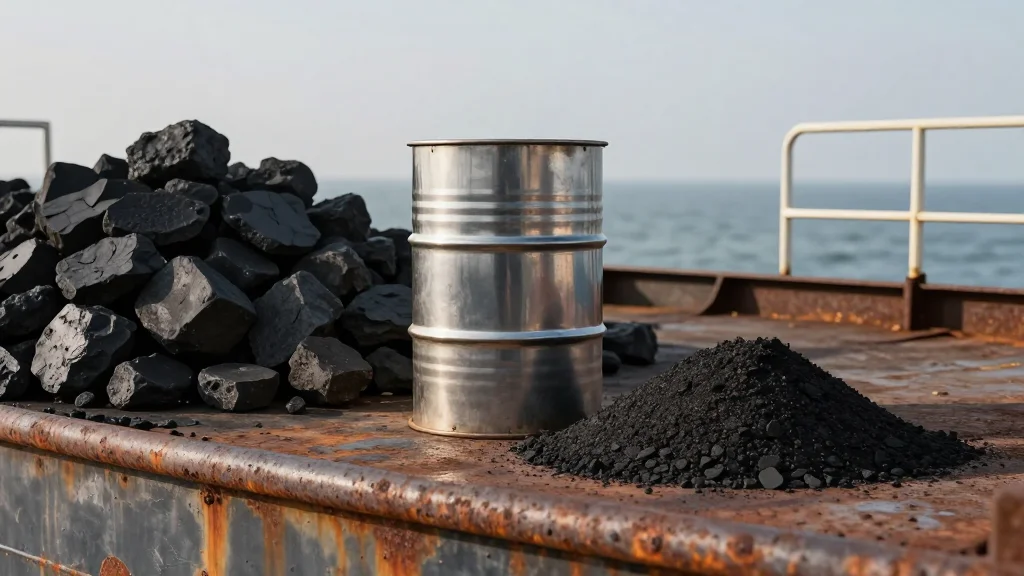
Closure of the Strait of Hormuz Continues to Impact Energy Prices
Why It Matters
Persistent geopolitical tension squeezes global energy supplies, driving price volatility that ripples through carbon markets and affects industrial cost structures worldwide.
Key Takeaways
- •Oil steadies around $100/bbl despite Strait closure
- •Petcoke trades at a 17% discount to comparable coal
- •CIF ARA petcoke price at $137, slightly below API2 coal
- •2026 petcoke forecast hits $125 with multiple support levels
Pulse Analysis
The strategic chokepoint of the Strait of Hormuz has long been a barometer for oil market stability. Its current closure, intensified by the US‑Israel‑Iran war, has forced crude prices into a narrow but volatile $100‑$110 range. Traders watch the waterway closely because any shift can trigger swift re‑pricing across the entire energy complex, influencing everything from refinery margins to freight costs. This geopolitical pressure also amplifies risk premiums in futures markets, prompting investors to reassess exposure to oil‑linked assets.
Within this broader turbulence, the petcoke market has emerged as a distinct micro‑trend. The 6.5 % sulfur grade, a key feedstock for cement and power generation, climbed to $106 per ton on FOB terms but still lags coal by 17 % when compared to API4 benchmarks. The CIF ARA contract, priced at $137, even undercuts API2 coal by a modest 2 %. Analysts cite tightening supply and limited stockpiles as drivers, projecting a 2026 price target of $125 and identifying support zones as low as $45. These dynamics underscore petcoke’s growing relevance as a coal substitute amid tightening emissions regulations.
For carbon‑focused markets such as the EU Emissions Trading System, the energy price shock translates into heightened volatility in allowance prices. Higher oil and coal costs raise the marginal cost of generation, potentially lifting demand for renewable and low‑carbon alternatives, which in turn can tighten allowance supply. Stakeholders should monitor policy responses and upcoming proposals slated for July, as they will shape the interplay between energy pricing, carbon market liquidity, and the broader transition to a decarbonized economy.
Closure of the Strait of Hormuz continues to impact energy prices
Comments
Want to join the conversation?
Loading comments...