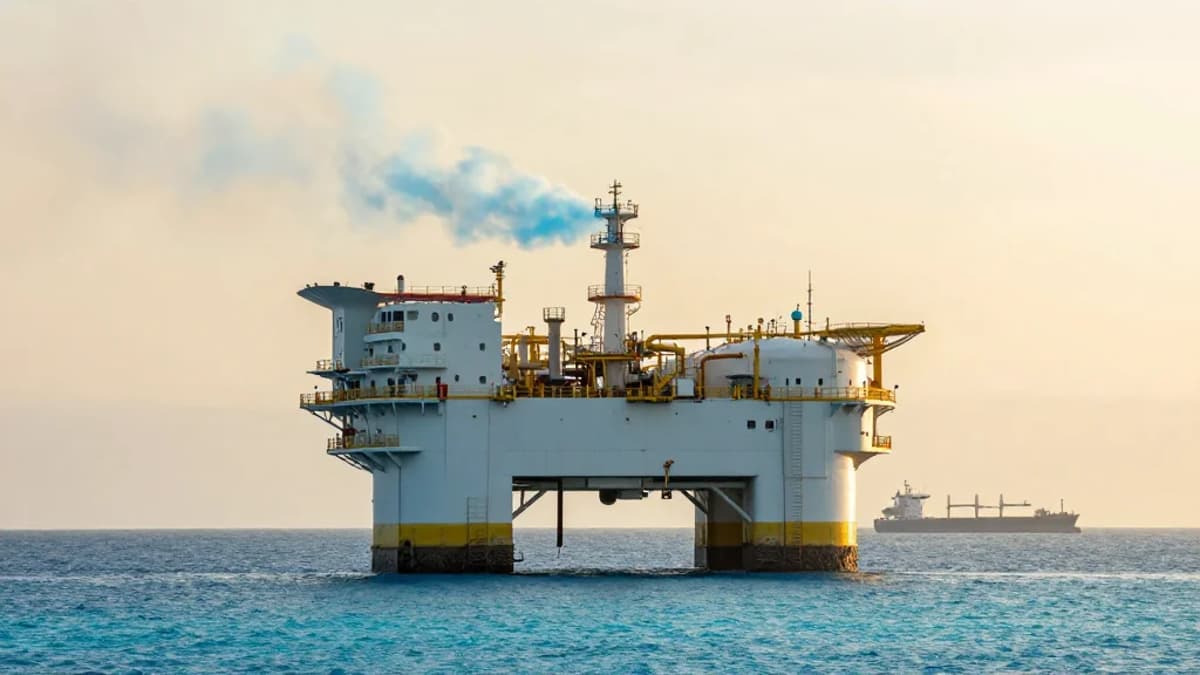
Congo Launches Phase 2 LNG Exports From Nguya FLNG Facility
Companies Mentioned
Why It Matters
Phase 2 positions Congo as a more significant LNG supplier, diversifying global gas sources and generating new export revenues. The accelerated rollout demonstrates the viability of floating liquefaction for emerging markets.
Key Takeaways
- •Phase 2 adds ~1 Mtpa to Congo LNG capacity
- •Total project capacity reaches about 3 Mtpa
- •New Nguya FLNG unit commissioned ahead of schedule
- •Diversifies global LNG supply amid rising demand
- •Upstream activity expands with TotalEnergies and Perenco projects
Pulse Analysis
Congo’s Phase 2 launch marks a milestone for floating liquefied natural gas (FLNG) technology in Africa. The Nguya unit, attached to a purpose‑built vessel, integrates advanced liquefaction modules that can operate in deep‑water environments without costly onshore infrastructure. By completing commissioning ahead of schedule, Eni showcases the operational agility of FLNG, which reduces capital intensity and shortens time‑to‑market for offshore gas fields.
The added capacity lifts Congo’s annual LNG output to roughly three million tonnes, a figure that can meaningfully influence the global supply mix. As Europe and Asia seek to diversify away from traditional pipeline gas, Congo’s exportable gas offers a flexible, lower‑carbon alternative. The incremental revenue stream supports the nation’s fiscal budget and funds further development of its hydrocarbon sector, while also enhancing energy security for import‑dependent markets.
Beyond the FLNG platform, upstream projects are accelerating. TotalEnergies’ recent acquisition of the Nzombo exploration permit and Perenco’s redevelopment of the Kombi‑Likalala‑Libondo II field signal a broader commitment to unlocking Congo’s offshore reserves. Together, these initiatives create a pipeline of feedstock for future FLNG expansions, positioning the country as a growing hub in the emerging African LNG corridor. Continued investment will likely attract additional international partners, cementing Congo’s role in the evolving global gas landscape.
Congo launches Phase 2 LNG exports from Nguya FLNG facility


Comments
Want to join the conversation?
Loading comments...