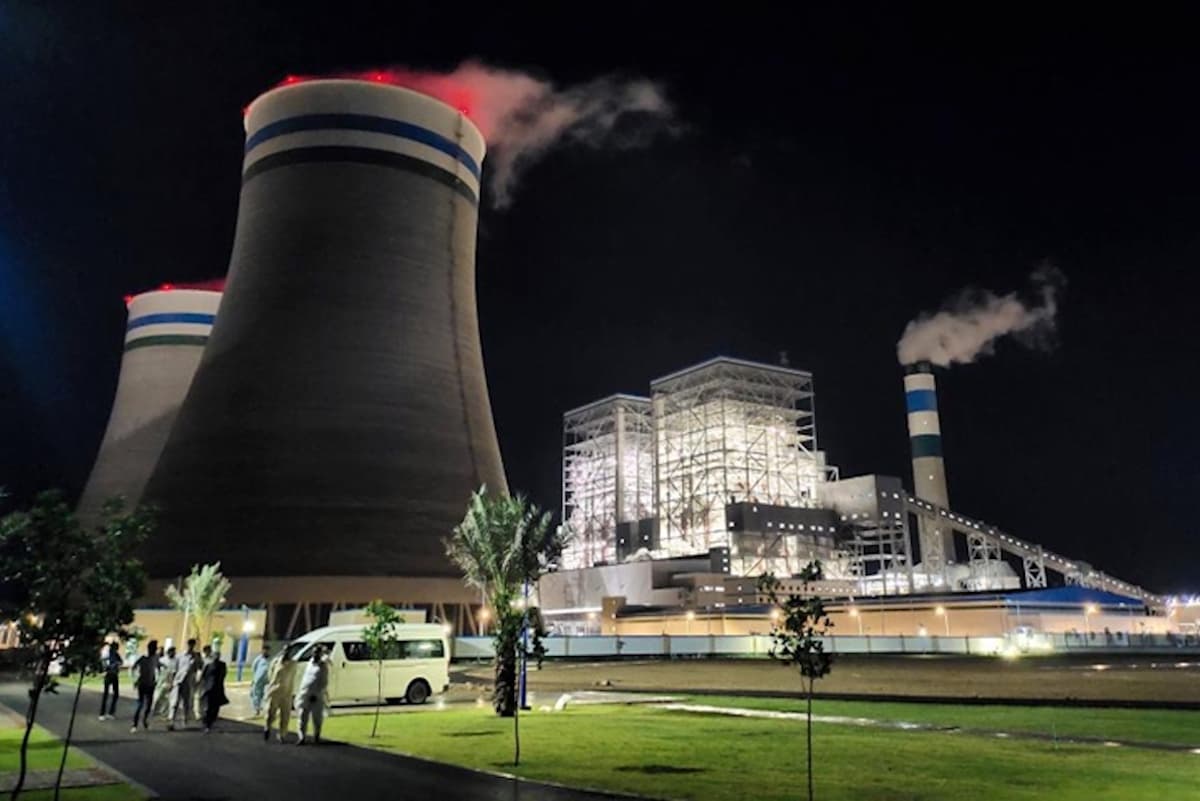
CPEC 2.0: New Green Hope or New China Debt Trap for Pakistan?
Why It Matters
The debt‑laden energy contracts strain Pakistan’s fiscal space and jeopardize the credibility of China’s Belt‑and‑Road investments across the region.
Key Takeaways
- •Circular debt at 1.89 trn rupees ($6.7 bn), 543 bn tied to CPEC
- •Pakistan must pay Chinese IPPs 2.1 trn rupees even if electricity unused
- •CPEC 2.0 pivots to renewables, yet coal contracts still bind
- •Chinese firms reject waivers, fearing Belt‑and‑Road renegotiation precedent
- •Balochistan attacks threaten new CPEC projects and investor confidence
Pulse Analysis
Phase One of the China‑Pakistan Economic Corridor delivered over 9,500 MW of capacity, but the take‑or‑pay model left Islamabad paying roughly 2.1 trillion rupees ($12 bn) regardless of utilization. This arrangement inflated the nation’s circular debt to 1.89 trillion rupees, forcing utilities to buy power they cannot distribute, which in turn fuels higher tariffs and widespread bill defaults. The IMF’s alarm reflects a broader risk: a debt spiral that erodes fiscal credibility and limits policy flexibility for a country already grappling with a $23.5 bn trade deficit.
CPEC 2.0 seeks to rebrand the partnership by emphasizing solar, wind, hydropower and battery storage, signaling a shift toward greener infrastructure. Yet the legacy of coal‑heavy contracts and the sidelining of domestic hydro projects like Diamer‑Bhasha and Dasu mean that stranded assets could still dominate the grid. Moreover, two new Special Economic Zones sit in flood‑prone districts, raising questions about long‑term return on investment. Security concerns intensify the picture; attacks by the Baloch Liberation Army have killed dozens of Chinese nationals, underscoring the human‑security dimension that can derail even well‑funded projects.
For investors and policymakers, the lesson is clear: without transparent audits and renegotiated terms, the green ambitions of CPEC 2.0 risk becoming a fiscal mirage. Pakistan must decouple new borrowing from past obligations, prioritize the retirement of uneconomic coal plants, and embed local stakeholder engagement to mitigate security threats. Successfully restructuring Phase One contracts could restore confidence in the Belt‑and‑Road framework and provide a sustainable pathway for Pakistan’s industrial revival.
CPEC 2.0: new green hope or new China debt trap for Pakistan?
Comments
Want to join the conversation?
Loading comments...