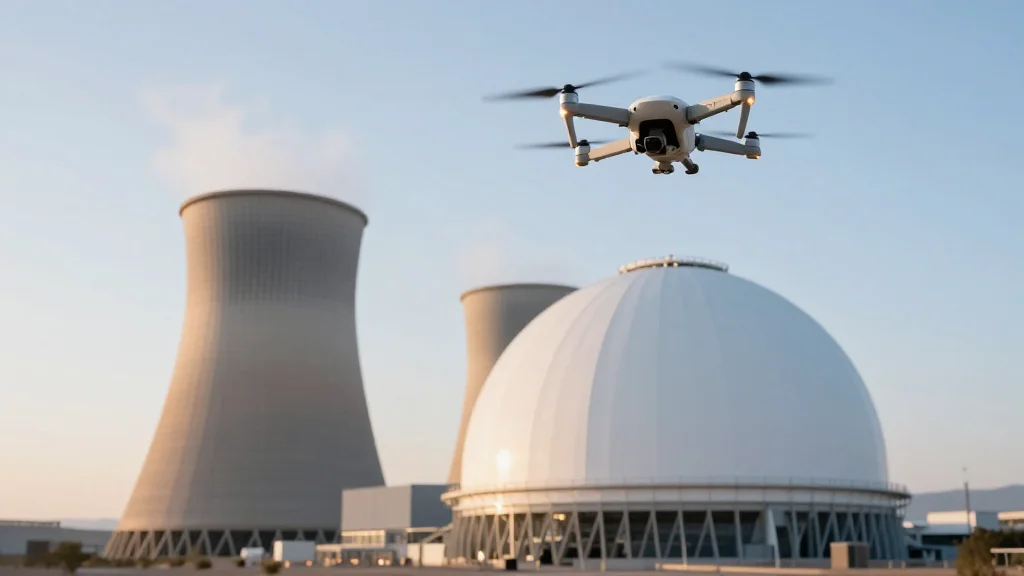
Drone Strike Ignites Fire at UAE's Only Nuclear Plant, Oil Prices Spike

Why It Matters
The attack on the Barakah nuclear plant underscores how geopolitical conflict can directly threaten energy diversification strategies in the Gulf. The UAE has invested heavily in nuclear power to reduce its reliance on oil revenues; a breach at its flagship facility could delay the nation’s clean‑energy roadmap and force a renewed dependence on hydrocarbons. Globally, the incident illustrates the fragility of supply chains that hinge on the Strait of Hormuz. Even a brief perception of risk can trigger price spikes, influencing everything from airline fuel costs to consumer gasoline prices. The episode may accelerate calls for alternative routes and greater investment in security technologies, reshaping the energy market’s risk calculus for years to come.
Key Takeaways
- •Drone strike ignited fire at UAE's Barakah nuclear plant, labeled an “unprovoked terrorist attack.”
- •Brent crude futures rose above $108 per barrel before settling at $107.25 after Trump's warning to Iran.
- •Gulf leaders’ Jeddah statement framed Iranian actions as attacks on energy infrastructure.
- •UAE's nuclear diversification plan faces potential delays for its fourth reactor scheduled for 2027.
- •Heightened risk prompts Gulf states to accelerate counter‑drone defenses and reassess supply‑chain security.
Pulse Analysis
The Barakah incident is a textbook case of how a single tactical strike can reverberate through global energy markets. Historically, the Gulf’s oil dominance has insulated it from minor security hiccups, but the emergence of nuclear facilities adds a new layer of vulnerability. Unlike oil rigs, nuclear plants are high‑profile, low‑tolerance targets; any perceived breach can trigger regulatory scrutiny, insurance premium hikes, and investor wariness. The UAE’s ambition to become a regional clean‑energy hub now faces a credibility test—its ability to safeguard Barakah will determine whether foreign capital continues to flow into its nuclear program.
From a market perspective, the brief oil price surge demonstrates the elasticity of futures to geopolitical news. Traders priced in a worst‑case scenario where the Strait of Hormuz could be partially closed, a situation that would shave billions off global GDP. Yet the rapid retreat of prices also signals that markets are betting on diplomatic back‑stops, especially given Trump’s public pause on a planned Iranian strike. This tug‑of‑war between rhetoric and restraint creates a volatile pricing environment that could benefit hedgers and speculative players alike.
Looking ahead, the incident may catalyze a broader shift in regional energy security policy. Gulf states are likely to double down on layered defenses—integrating radar, electronic warfare, and kinetic counter‑drone systems—to protect both fossil‑fuel and nuclear assets. Simultaneously, the episode could accelerate diversification away from the Hormuz chokepoint, prompting greater investment in pipelines that bypass the strait and in alternative LNG routes. For investors, the key takeaway is to monitor not just oil supply metrics but also the evolving security posture of critical energy infrastructure in the Middle East.
Drone Strike Ignites Fire at UAE's Only Nuclear Plant, Oil Prices Spike
Comments
Want to join the conversation?
Loading comments...