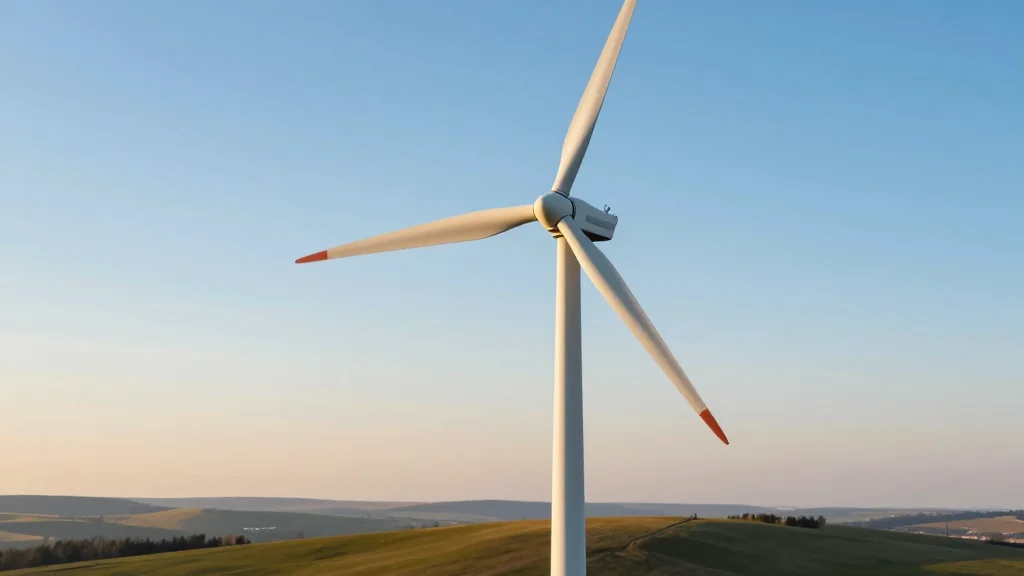
EBRD Mulls Funding 189‑MW Ukrainian Onshore Wind Farm to Boost Post‑War Energy Security

Why It Matters
Ukraine’s energy system has been severely strained by years of conflict, with large portions of its generation capacity damaged or offline. Adding a 189‑MW wind farm would not only increase renewable capacity but also diversify the energy mix, reducing vulnerability to supply shocks. The EBRD’s potential involvement signals a broader willingness among international financiers to back green infrastructure in high‑risk environments, setting a precedent for future investments across the region. Beyond immediate grid benefits, the project could catalyze local job creation, technology transfer, and supply‑chain development for the Ukrainian wind sector. It also aligns with Europe’s strategic interest in supporting Ukraine’s energy independence, thereby strengthening geopolitical resilience while advancing climate goals.
Key Takeaways
- •EBRD is evaluating financing for a 189‑MW onshore wind farm in Ukraine
- •Project could double Ukraine’s existing onshore wind capacity
- •Financing would support Kyiv’s post‑war reconstruction and energy‑security agenda
- •Potential funding could unlock additional private‑sector investment in Ukrainian renewables
- •Construction could start in late 2026 with commissioning aimed for 2029
Pulse Analysis
The EBRD’s tentative backing of a 189‑MW wind project underscores a shift in how multilateral lenders view risk in post‑conflict markets. Historically, large‑scale renewable financing has shied away from regions where political instability threatens asset performance. By signaling readiness to engage, the EBRD is effectively de‑risking the sector, offering a template for blended finance that combines concessional loans, guarantees, and private equity.
From a market perspective, the infusion of capital into Ukrainian wind could accelerate the country’s transition away from coal and imported gas, both of which have been sources of energy insecurity. The project’s scale is significant: at 189 MW, it would provide enough electricity to power roughly 300,000 homes, a tangible contribution to rebuilding war‑torn communities. Moreover, the timing aligns with Europe’s broader push to decarbonize its energy imports, positioning Ukraine as a potential green‑energy corridor for the continent.
Looking ahead, the success of this financing could trigger a cascade of similar projects, especially as the EU’s Green Deal and the European Climate Law encourage investment in neighboring clean‑energy hubs. However, the venture’s viability hinges on sustained security improvements and the establishment of robust legal frameworks to protect investors. If those conditions are met, the EBRD’s involvement could mark the beginning of a new era of resilient, climate‑aligned infrastructure development in Eastern Europe.
EBRD Mulls Funding 189‑MW Ukrainian Onshore Wind Farm to Boost Post‑War Energy Security
Comments
Want to join the conversation?
Loading comments...