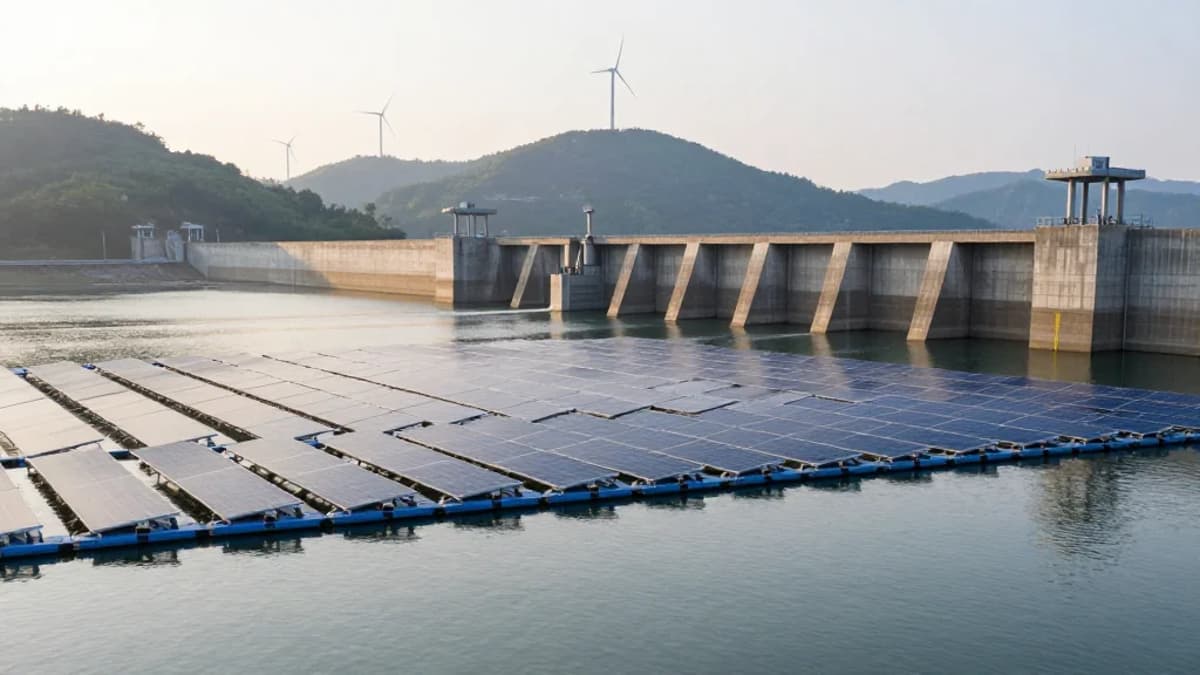
Energy Insiders Podcast: China’s Clean Energy Surge Reshapes Coal, Oil and the Grid
•February 27, 2026
0
Why It Matters
China’s renewable momentum redefines global energy markets, reducing coal reliance and creating new opportunities for clean‑tech investors. The shift also pressures oil exporters and accelerates grid modernization worldwide.
Key Takeaways
- •China added record 120 GW solar in 2025.
- •Wind capacity grew 30% year‑over‑year.
- •Clean power now fuels over 33% GDP growth.
- •Coal plant retirements accelerated, capacity down 15%.
- •Grid upgrades prioritize renewable integration and storage.
Pulse Analysis
China’s renewable renaissance is no longer a policy aspiration; it is a measurable engine of growth. In 2025 the country installed a historic 120 gigawatts of solar capacity, while wind farms expanded by roughly 30% year‑over‑year, pushing total clean‑energy output past the 500‑GW threshold. This scale is underpinned by aggressive subsidies, streamlined permitting, and a national carbon‑neutrality pledge, allowing renewables to contribute over one‑third of GDP growth—a figure that eclipses traditional manufacturing sectors and signals a structural economic shift.
The ripple effects on fossil fuels are stark. Coal‑fired generation is contracting as older plants are decommissioned, with capacity reductions of about 15% since the start of the decade. Simultaneously, oil demand for domestic transport and industry is flattening, prompting state‑owned refiners to recalibrate output. Grid operators are scrambling to modernize a legacy network originally designed for baseload coal, investing heavily in high‑voltage transmission, smart‑grid technologies, and large‑scale battery storage to balance intermittency. These upgrades not only improve reliability but also create a fertile market for ancillary services and digital grid solutions.
Looking ahead, China’s clean‑energy trajectory will shape global investment flows. International capital is increasingly funneled into Chinese solar panel manufacturers, wind turbine exporters, and grid‑technology firms, while investors watch for policy continuity and potential supply‑chain bottlenecks. The country’s ability to scale storage and demand‑response mechanisms will determine how quickly it can fully displace coal and mitigate grid stress. For stakeholders worldwide, understanding China’s renewable dynamics is essential for forecasting commodity trends, assessing regulatory risk, and identifying growth opportunities in the next wave of the energy transition.
Energy Insiders Podcast: China’s clean energy surge reshapes coal, oil and the grid
0
Comments
Want to join the conversation?
Loading comments...