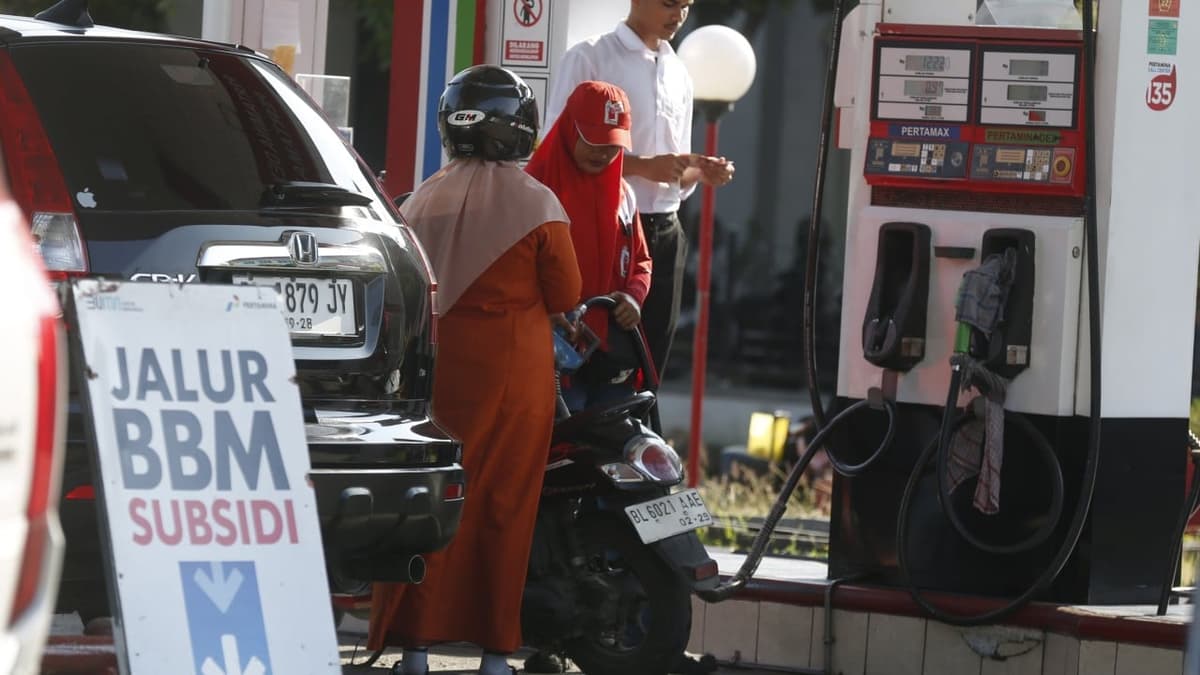
Energy Security Comes First for Indonesia as It Defies EU over Russian Oil
Why It Matters
Indonesia’s choice to source Russian crude challenges EU sanctions and signals a broader Asian pivot toward energy self‑sufficiency, potentially reshaping global oil trade dynamics.
Key Takeaways
- •Indonesia will import 150 million barrels of Russian crude this year
- •EU sanctions target Karimun terminal, first non‑Russian oil hub penalized
- •Deal aims to secure domestic fuel supply through end‑2026
- •Western insurers may avoid Karimun, raising logistics costs for Indonesia
- •Move highlights Asia’s shift toward energy security over sanction compliance
Pulse Analysis
Indonesia’s latest oil procurement underscores a stark reality: Asian economies are willing to sidestep Western pressure to safeguard energy supplies. By securing 150 million barrels of Russian crude at a "special price," Jakarta aims to buffer its fuel market against volatile global prices and domestic shortages. The agreement, finalized during President Prabowo Subianto’s three‑hour talks with Vladimir Putin, is positioned as a stop‑gap that will sustain Indonesia’s refineries through the year’s end, even as the nation maintains its US$15 billion trade commitment with the United States.
The European Union’s decision to sanction the Karimun Oil Terminal marks a new escalation in its strategy to choke off Russia’s export routes. Targeting a free‑trade‑zone hub outside Russia signals Brussels’ intent to pressure Asian traders, yet the move may backfire. Major insurers and European banks are likely to shun vessels docking at Karimun, inflating shipping and financing costs for Indonesia. These added expenses could erode the price advantage of Russian crude, especially given Pertamina’s revenue streams are dollar‑denominated, creating exchange‑rate headwinds.
Beyond the immediate logistics, the episode illustrates a shifting geopolitical calculus. As fuel shortages ripple across Asia, countries like Indonesia are prioritising reliable supply over compliance with sanctions, a trend that could weaken the EU’s leverage and encourage other regional players to follow suit. The long‑term impact may include a re‑routing of Russian oil through alternative Asian transshipment points, reshaping investment patterns in maritime infrastructure and prompting a reassessment of Western sanction efficacy in a market driven by energy security imperatives.
Energy security comes first for Indonesia as it defies EU over Russian oil
Comments
Want to join the conversation?
Loading comments...