Ethiopia Energy Project: China’s Ming Yang Secures License for $15 Billion Renewables
Why It Matters
The project positions Ethiopia as a regional clean‑energy hub, linking massive renewable generation with emerging green‑hydrogen and ammonia markets. It also deepens China‑Africa energy ties and signals strong investor confidence in Africa’s renewable pipeline.
Key Takeaways
- •Ming Yang secures nearly $15 billion license for Ethiopia renewables
- •Phase One allocates $7.47 billion for 8.4 GW solar‑wind capacity
- •Phase Two invests $7.3 billion in green hydrogen and ammonia
- •Project aims to boost Ethiopia’s industrial exports and energy security
- •Multi‑stage rollout aligns renewable generation with emerging industrial demand
Pulse Analysis
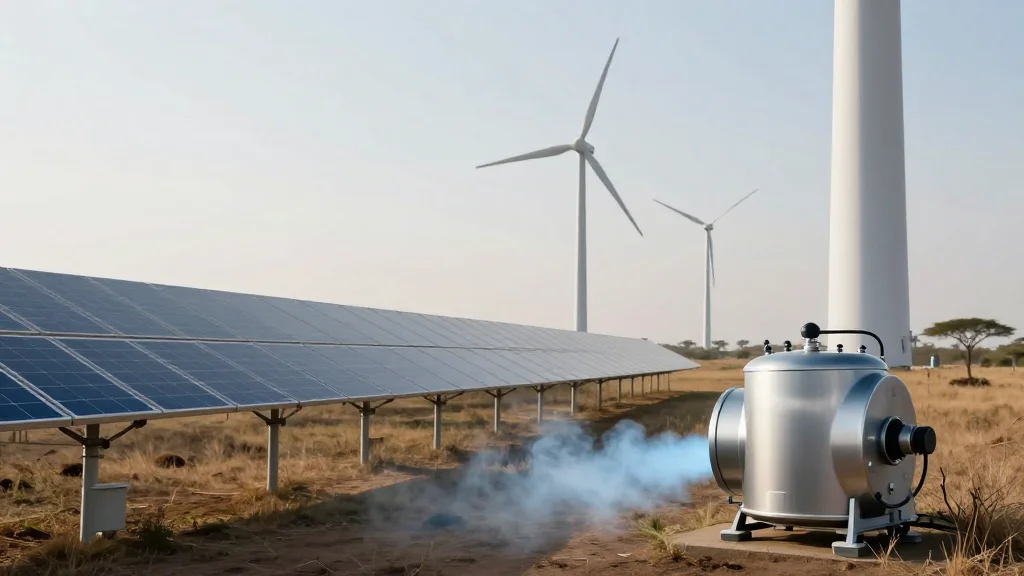
Ethiopia is accelerating its energy transition with a near‑$15 billion renewable programme led by China’s Ming Yang Smart Energy Group. The license, approved by the Ethiopian Investment Commission, covers 8.4 GW of solar and wind assets across South Omo, Afar and Somali regions, representing one of the continent’s largest single‑site renewable builds. By expanding the original $10 billion agreement, the project not only diversifies Ethiopia’s generation mix but also underpins the government’s industrialisation agenda and reduces reliance on imported fossil fuels. The scale of the investment also signals growing confidence in Africa’s renewable pipeline among Chinese developers.
The second phase earmarks $7.3 billion for green hydrogen electrolyzers, ammonia synthesis and associated manufacturing hubs. With renewable electricity feeding electrolysis, Ethiopia can produce carbon‑free hydrogen for domestic fertilizer use and export‑ready green ammonia, tapping a market projected to exceed $300 billion by 2035. The venture promises technology transfer, creating a skilled workforce in electro‑chemical processes and positioning the Horn of Africa as a strategic supplier to Europe and the Middle East, where demand for clean‑energy inputs is surging.
Financing the combined $14‑$15 billion scheme will rely on a mix of foreign direct investment, development bank loans and export credit facilities, while phased construction mitigates risk. Grid upgrades and new transmission corridors are essential to integrate the dispersed solar‑wind farms and to deliver power to industrial zones and export terminals. If successful, Ethiopia could become East Africa’s clean‑energy hub, stimulating cross‑border electricity trade and encouraging neighboring states to pursue similar green‑industrial projects, thereby accelerating the continent’s broader decarbonisation pathway and attract further private capital.
Ethiopia Energy Project: China’s Ming Yang Secures License for $15 billion Renewables
Comments
Want to join the conversation?
Loading comments...