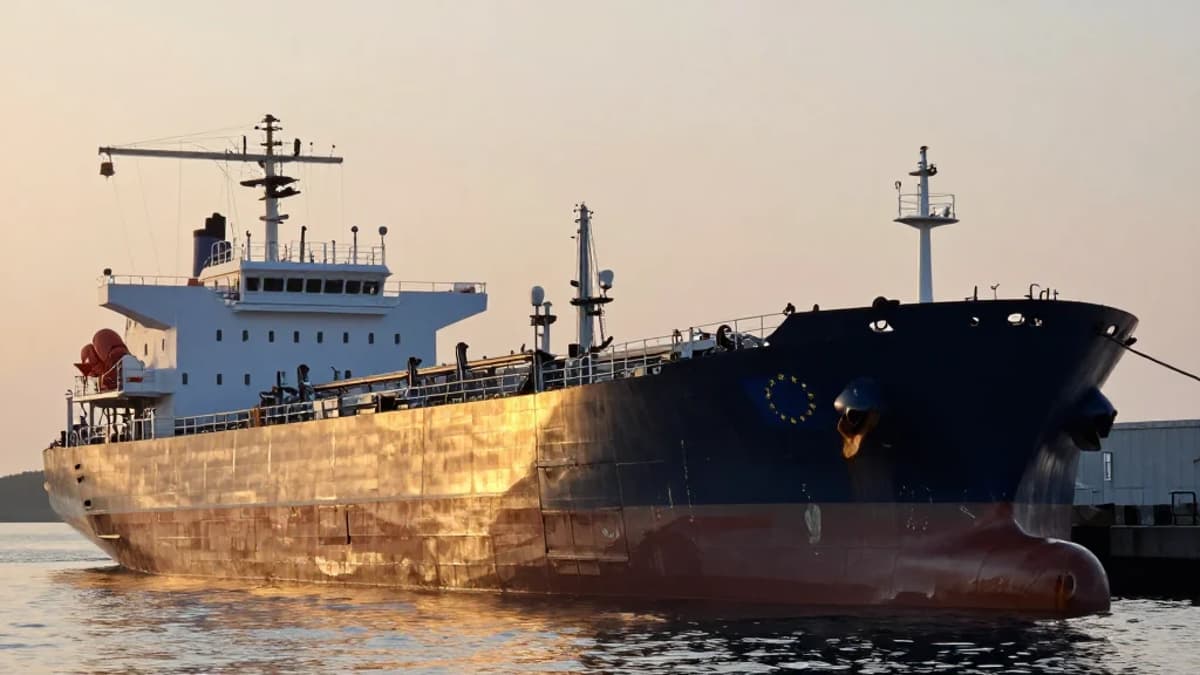
EU Weighs Sanctions on Georgia’s Kulevi Port over Suspected Russian Oil Links
•February 17, 2026
0
Why It Matters
Sanctioning Kulevi would pressure Georgia to curb Russian oil flows while signaling the EU’s willingness to target foreign infrastructure that aids Moscow, reshaping regional energy logistics and diplomatic dynamics.
Key Takeaways
- •EU draft lists Kulevi among four suspect ports.
- •SOCAR-owned terminal linked to Georgian Dream refinery.
- •Potential sanctions would be EU's first against third‑country ports.
- •Sanctions could stall Georgia's EU accession and trade.
Pulse Analysis
The EU’s draft sanctions package represents a strategic shift, extending punitive measures beyond Russian entities to include foreign ports that allegedly enable Moscow’s oil exports. By naming Kulevi, the bloc aims to choke a critical node in the Black Sea oil corridor, where SOCAR’s terminal and a Georgian‑linked refinery have been accused of handling Russian crude destined for European markets. This approach underscores Brussels’ broader anti‑circumvention agenda, which also targets equipment sales and financial services in other third countries.
For Georgia, the prospect of sanctions threatens both economic and geopolitical interests. Kulevi is a linchpin of the country’s “Middle Corridor” trade route, and any restrictions could diminish revenue, deter foreign investment, and complicate its already fragile EU accession negotiations. Azerbaijan, as the owner of the SOCAR terminal, faces diplomatic pressure, while the ruling Georgian Dream party must balance domestic political gains against growing scrutiny from Western partners. The move also highlights the EU’s leverage in shaping regional alignments, especially as neighboring Armenia and Azerbaijan receive more diplomatic attention.
On a wider scale, targeting Kulevi signals the EU’s intent to disrupt the so‑called shadow fleet that transports Russian oil through opaque channels. By expanding the sanctions net to include ports, the bloc aims to increase compliance costs for Russia’s energy exports and deter third‑party facilitation. This could force Russia to reroute shipments, potentially raising transport costs and affecting global oil prices, while encouraging stricter monitoring of maritime logistics across the Black Sea and beyond.
EU weighs sanctions on Georgia’s Kulevi port over suspected Russian oil links
0
Comments
Want to join the conversation?
Loading comments...