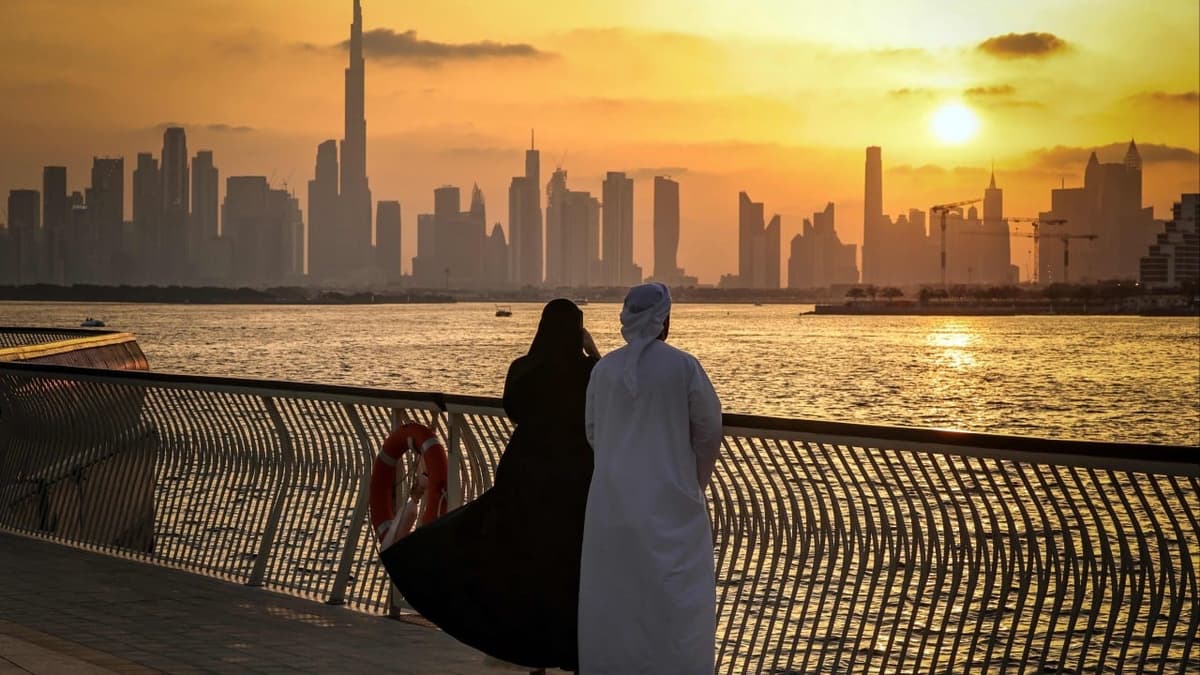
For Gulf States, Geography Is Both a Generous and Treacherous Patron
Why It Matters
Geopolitical volatility in the Gulf directly disrupts global oil supply chains and exposes the fragility of growth models dependent on transient labor, while the Greater Bay Area demonstrates a more sustainable, human‑capital‑focused path that policymakers can emulate.
Key Takeaways
- •Strait of Hormuz blockage spikes global oil prices.
- •UAE and Qatar face economic setbacks from export disruptions.
- •Gulf's reliance on transient expatriate labor exposes vulnerability.
- •Iran attacks threaten Gulf ports, airports, desalination, data centres.
- •Greater Bay Area uses integrated infrastructure and settled talent.
Pulse Analysis
The Gulf’s geography has long been its greatest asset, turning remote deserts into oil‑rich powerhouses and enabling cities like Dubai and Doha to become world‑class aviation and logistics hubs. However, the same proximity to regional flashpoints now subjects these economies to cascading risks: the closure of the Strait of Hormuz inflates crude prices, Iranian missile and drone strikes jeopardize ports, airports, desalination plants, and even data centres, and water scarcity looms over a population sustained by imported labor. This volatile environment forces Gulf states to confront the limits of a growth model built on external resources and short‑term expatriate talent.
Beyond the immediate energy shock, the Gulf’s dependence on a transient workforce creates social and economic instability. Guest workers—from construction crews to senior executives—remain legally temporary, making large‑scale exoduses likely when security deteriorates. Meanwhile, ambitious projects such as the UAE’s AI campus risk losing momentum if critical infrastructure is repeatedly targeted. The region’s lack of renewable water sources compounds the threat, as any disruption to desalination could undermine both daily life and industrial activity, eroding the veneer of limitless prosperity.
By contrast, the Greater Bay Area illustrates how geography can be deliberately engineered for durability. Shenzhen, Hong Kong, and Guangzhou have woven transport, legal, and fiscal frameworks into a seamless innovation cluster that attracts and retains talent. Human capital, not just location, fuels its growth, with policies encouraging long‑term residency and family settlement. This integrated approach creates a feedback loop where infrastructure supports talent, and talent reinforces infrastructure, delivering a resilient economic engine less vulnerable to external shocks. Gulf policymakers can draw lessons from this model, shifting focus from short‑term labor inflows to building permanent, diversified ecosystems that can weather geopolitical turbulence.
For Gulf states, geography is both a generous and treacherous patron
Comments
Want to join the conversation?
Loading comments...