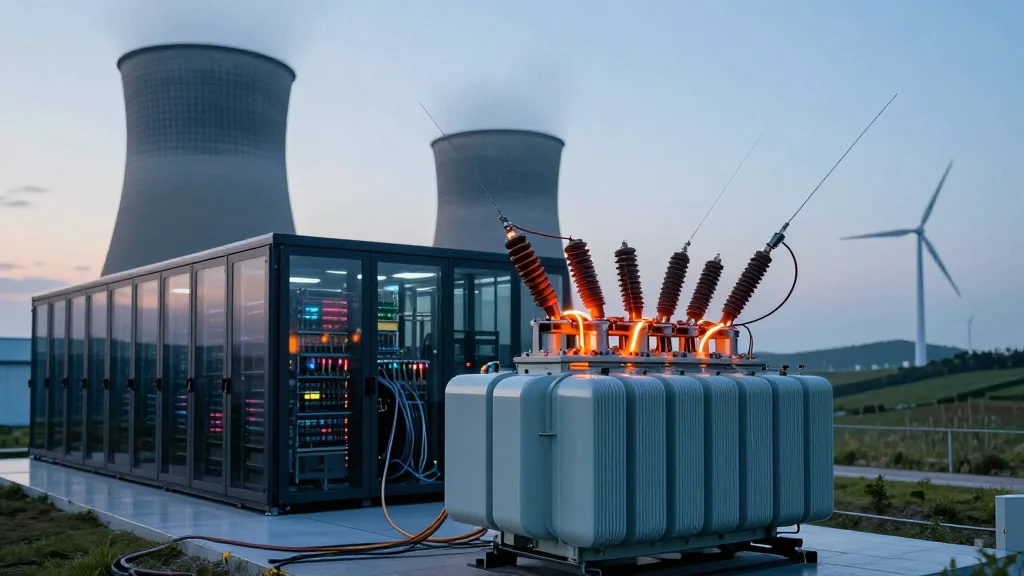
Goldman Sachs Forecasts 160% AI Data Center Power Surge as Activist Map Highlights Local Strain

Companies Mentioned
Why It Matters
The projected 160% rise in AI data‑center electricity demand represents the most significant load increase for power grids since the internet boom, threatening to outpace existing generation and transmission capacity. If utilities cannot secure reliable baseload power—through nuclear, renewables or storage—the sector could face curtailments, higher electricity prices, and heightened carbon emissions. Simultaneously, the activist‑driven data‑center map spotlights grassroots resistance that could translate into tighter environmental regulations, zoning restrictions, and legal challenges, reshaping where and how AI infrastructure is sited. For investors, the clash creates a bifurcated risk‑reward landscape: companies that can deliver clean, 24/7 power at scale stand to capture multi‑billion‑dollar contracts, while those that ignore community concerns may encounter costly delays or penalties. The outcome will influence the broader trajectory of AI deployment across the United States and set a precedent for how high‑intensity digital workloads are integrated with the nation’s energy transition.
Key Takeaways
- •Goldman Sachs forecasts a 160% global AI data‑center power demand increase by 2030.
- •U.S. data‑center electricity use could nearly triple over the same period.
- •Erin Brockovich’s map records 2,716 community complaints at over 4,200 AI data centers.
- •Constellation Energy generated $4.2 billion operating cash flow in 2025 and is positioning nuclear as AI baseload.
- •Texas leads with 612 reports, reflecting its 460‑plus AI data‑center sites.
Pulse Analysis
The AI data‑center surge is reshaping the energy sector in a way that mirrors the telecom boom of the late 1990s, but with a far more immediate strain on physical infrastructure. Unlike the fiber rollout, which primarily required right‑of‑way permits, AI facilities demand massive, continuous power and cooling, forcing utilities to accelerate nuclear refurbishments, renewable‑plus‑storage hybrids, and high‑voltage transmission projects. Constellation’s aggressive positioning—leveraging its nuclear fleet and diversified renewables—offers a template for utilities that can bundle baseload reliability with grid‑flexibility services.
However, the activist backlash captured by Brockovich’s map introduces a political variable that could slow or redirect investment. Water scarcity, noise, and e‑waste are tangible community concerns that regulators are unlikely to ignore, especially in drought‑prone states like Texas and California. Companies that proactively embed sustainability—such as on‑site renewable generation, advanced liquid‑cooling that reduces water draw, and transparent reporting—will likely secure community licenses faster and avoid costly litigation.
In the short term, investors should monitor three signals: (1) the pace of new power‑purchase agreements tied to AI workloads, (2) the rollout of grid‑modernization funding from the Inflation Reduction Act and state programs, and (3) the volume of community reports that trigger regulatory hearings. Firms that can align their growth with both the energy‑intensity of AI and the emerging sustainability expectations will emerge as the sector’s new “gold standard,” while laggards risk being sidelined by a combination of grid constraints and grassroots opposition.
Goldman Sachs Forecasts 160% AI Data Center Power Surge as Activist Map Highlights Local Strain
Comments
Want to join the conversation?
Loading comments...