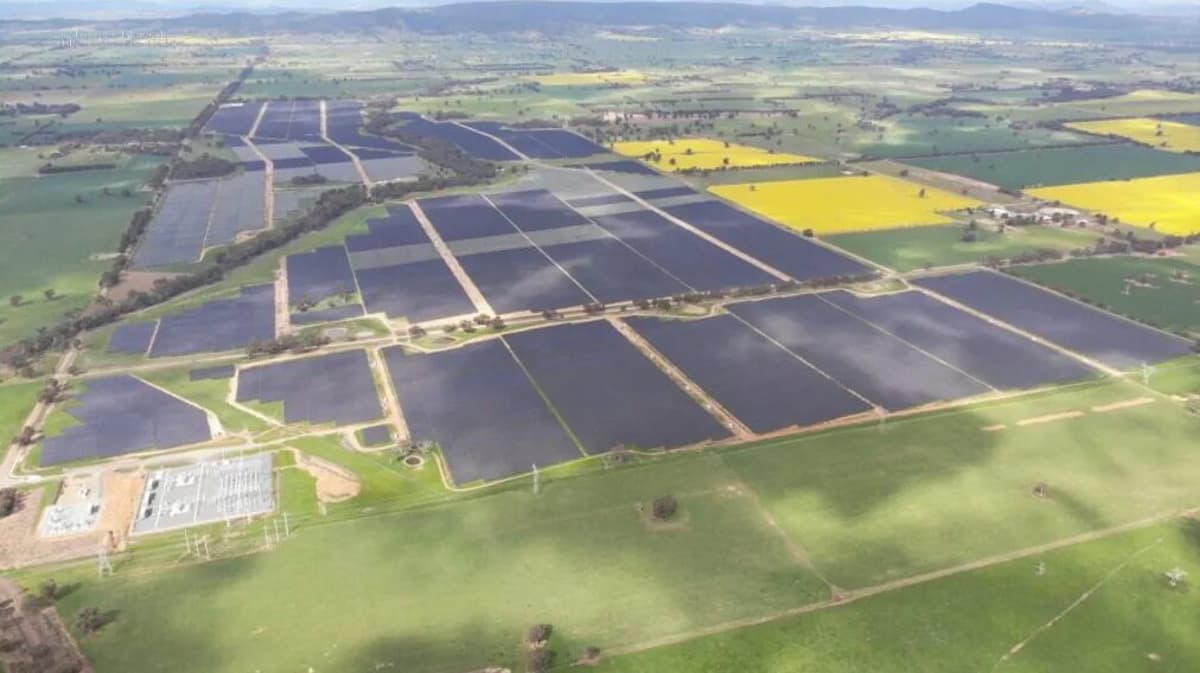
Greenpeace Warns AI Data Centre Rollout Threatens to Derail Australia’s Clean Energy Transition
Companies Mentioned
Why It Matters
If unchecked, data‑centre growth will push up electricity costs, crowd out clean‑energy investment, and jeopardize Australia’s climate targets, creating financial and reputational risk for utilities and investors.
Key Takeaways
- •Data centres could lift NSW wholesale power prices 26% by 2035.
- •Greenpeace says PPAs lack additional renewable generation.
- •Cloud Carrier gas plant may erase NSW 2028 emissions cuts.
- •Amazon pledges AU$20 bn (US$14.3 bn) for Australian data centres.
- •AEMC proposes standards for ‘inverted baseload’ data centre demand.
Pulse Analysis
The surge in AI‑powered data centres is reshaping global electricity demand, with the International Energy Agency projecting a more than two‑fold increase by 2030. In Australia, the sector’s expansion is outpacing the build‑out of new renewable capacity, prompting Greenpeace to label the trend an "energy vampire." Their report highlights that without dedicated generation, data centres will draw on power earmarked for households and businesses, amplifying grid stress and inflating wholesale prices.
Tech titans such as Microsoft and Amazon have announced sizable renewable‑energy contracts—Microsoft’s 15‑year PPA for a 300 MW solar farm and Amazon’s AU$20 billion (US$14.3 billion) investment in data‑centre infrastructure. However, Greenpeace contends these agreements fall short of the "additionality" standard, meaning they do not create net new clean power. The result is a heightened reliance on gas‑peaking plants, exemplified by Cloud Carrier’s proposed gas‑fired supply for its Southern Highlands centre, which could nullify NSW’s projected 2028 emissions reductions.
Regulators are responding. The Australian Energy Market Commission is drafting access standards for what it calls "inverted baseload" loads, setting thresholds at 30 MW and 100 MW to ensure large consumers contribute to grid upgrades. Simultaneously, battery storage is emerging as a critical complement, offering data centres flexibility and the ability to sell excess capacity back to the market. For investors and utilities, the key will be aligning data‑centre growth with verifiable renewable additions and storage solutions, turning a potential liability into a catalyst for a more resilient, low‑carbon grid.
Greenpeace warns AI data centre rollout threatens to derail Australia’s clean energy transition
Comments
Want to join the conversation?
Loading comments...