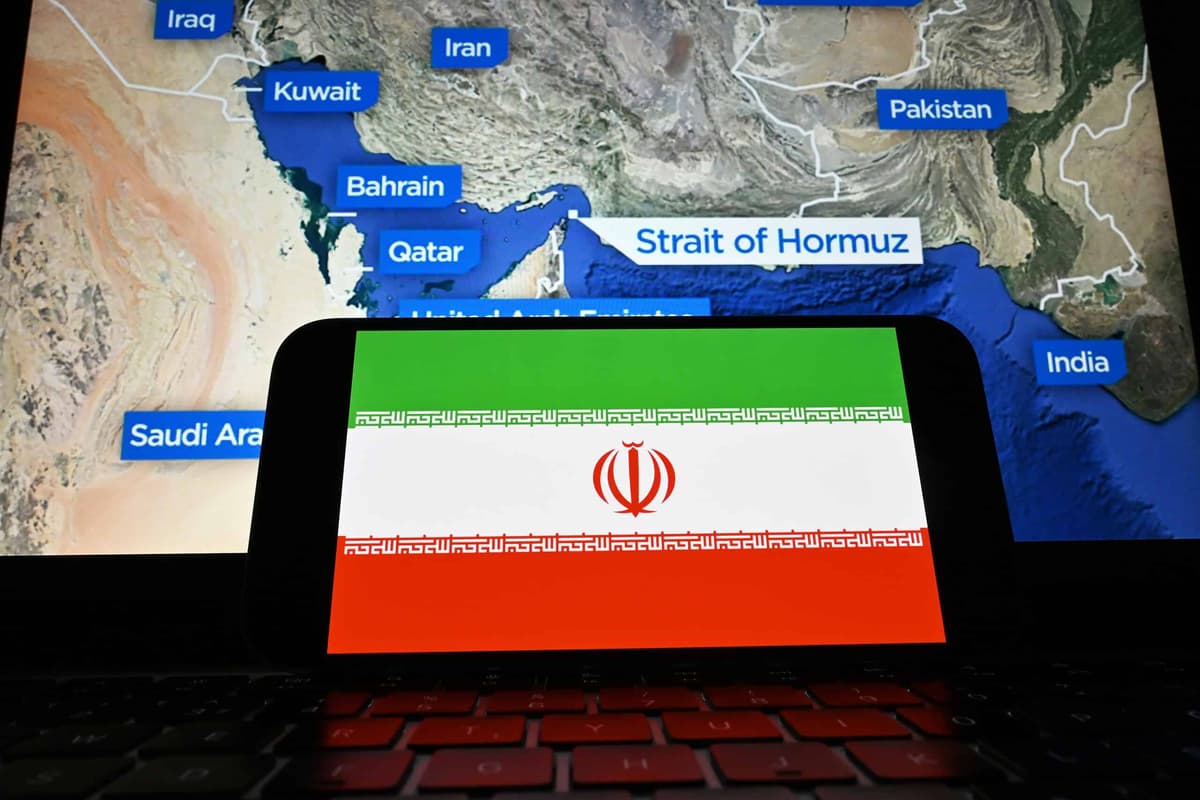
Hormuz Bottleneck: Gulf Energy Has a ‘Plan B’
Companies Mentioned

Why It Matters
By securing alternative export corridors, ADNOC and Aramco protect revenue streams and stabilize global oil supply, while pressuring less‑diversified Gulf exporters to follow suit.
Key Takeaways
- •ADNOC's West‑East pipeline adds 1.5 M bpd capacity, operational 2027
- •Existing Fujairah line already routes 1.8 M bpd around Hormuz
- •Aramco investing in parallel pipelines to hedge geopolitical risk
- •Other Gulf states may accelerate pipeline projects to preserve GDP
- •Diversified routes act as financial insurance against Strait disruptions
Pulse Analysis
The Strait of Hormuz has long been a chokepoint for global oil flows, but escalating U.S.-Iran tensions have turned it into a strategic liability for Gulf exporters. Investors and policymakers now view the waterway’s vulnerability as a permanent factor in supply‑chain calculations, prompting producers to seek land‑based alternatives that can guarantee uninterrupted shipments even during flashpoints. This mindset shift is reshaping capital allocation across the region, with billions earmarked for pipelines, storage hubs, and port upgrades that sidestep maritime bottlenecks.
ADNOC’s latest venture, the West‑East pipeline, exemplifies the new playbook. Designed to move 1.5 million barrels per day from the interior to the Gulf of Oman, the project breaks ground in early 2025 and aims for service in early 2027. Coupled with its 1.8 million‑bpd Fujairah line, ADNOC now controls two independent corridors that can reroute crude without touching Hormuz. Saudi Aramco is mirroring this approach, expanding its own network of pipelines and considering refined‑product bypasses that could capture higher‑margin sales while further insulating the kingdom’s export earnings.
The ripple effects extend beyond the two oil champions. Nations like Iraq and Kuwait, whose economies depend heavily on hydrocarbon exports, face mounting pressure to replicate the pipeline model or revive dormant routes such as the Iraq‑Turkey line. As regional GDP and government coffers remain tightly linked to oil revenues—often exceeding 30 % of GDP—the diversification of export pathways is evolving from a strategic option into a financial necessity. Market participants should monitor the pace of infrastructure roll‑outs, as they will influence global oil pricing dynamics and the risk premium attached to Middle‑East supply.
Hormuz Bottleneck: Gulf Energy Has a ‘Plan B’
Comments
Want to join the conversation?
Loading comments...