IEA Warns of Fuel Price Surge as Southeast Asia Rushes $1.5 Bn Renewable Build‑out

Why It Matters
The IEA’s alarm highlights the vulnerability of Southeast Asia’s energy supply chain, which is heavily dependent on imported oil and gas. By accelerating renewable projects, the region not only mitigates exposure to geopolitical shocks in the Middle East but also aligns with global decarbonisation goals, potentially unlocking billions of dollars of foreign investment and creating a more resilient, low‑carbon power system. If the renewable rollout succeeds, it could set a precedent for other import‑dependent regions facing similar fuel‑price volatility, demonstrating how policy urgency combined with clear investment signals can drive a rapid energy transition. Conversely, delays in financing or grid upgrades could stall progress, leaving the region exposed to future price spikes and supply disruptions.
Key Takeaways
- •IEA chief Fatih Birol calls the current fuel crisis the "largest energy security threat in history".
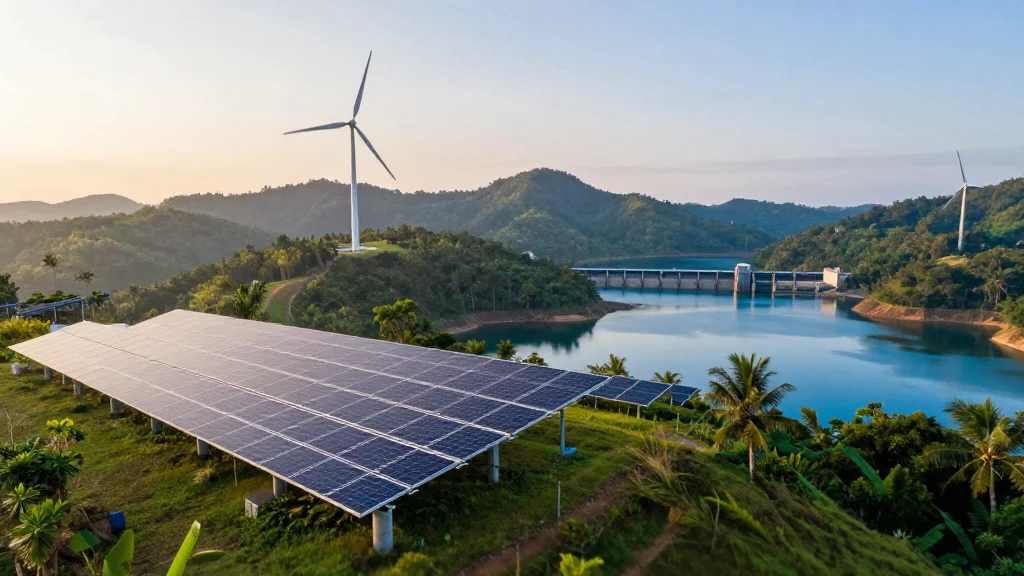
- •Cambodia launches a US$1 billion, 1,000‑MW pumped‑storage dam and approves a US$200 million wind project.
- •Philippines speeds up 22 renewable projects, including 12 solar farms and one wind farm.
- •Vietnam’s Gia Lai province approves US$190 million for three solar plants and one wind farm, due by 2028.
- •Combined renewable investment announced exceeds $1.5 billion, aiming to raise Cambodia’s clean‑energy share to 70 % by 2030.
Pulse Analysis
The IEA’s stark warning serves as both a diagnostic and a catalyst. Historically, Southeast Asia’s energy strategy has been anchored in cheap, imported fossil fuels, a model that has delivered rapid growth but left the region exposed to external shocks. The current geopolitical turbulence in the Strait of Hormuz has forced policymakers to confront the fragility of that model. By committing over $1.5 billion to new renewable capacity, governments are not merely reacting to a price spike; they are reshaping the long‑term supply‑demand balance.
From a market perspective, the influx of capital into solar, wind, and pumped‑storage projects will likely compress the cost curve for renewable technologies in the region. Investors are increasingly viewing Southeast Asia as a frontier for green infrastructure, attracted by supportive policies and the prospect of stable, long‑term returns. However, the success of this transition hinges on the ability to integrate intermittent generation into aging grids. Without substantial upgrades to transmission networks and storage solutions, the region could face curtailment issues that erode the economic case for renewables.
Looking forward, the next wave of policy decisions will determine whether the current momentum translates into a durable energy paradigm shift. If ASEAN can harmonise its regional frameworks and mobilise financing mechanisms—such as green bonds and development bank loans—the region could emerge as a model for energy‑security‑driven decarbonisation. Failure to address grid and financing bottlenecks, however, could stall progress and leave Southeast Asia vulnerable to future fuel crises.
IEA warns of fuel price surge as Southeast Asia rushes $1.5 bn renewable build‑out
Comments
Want to join the conversation?
Loading comments...