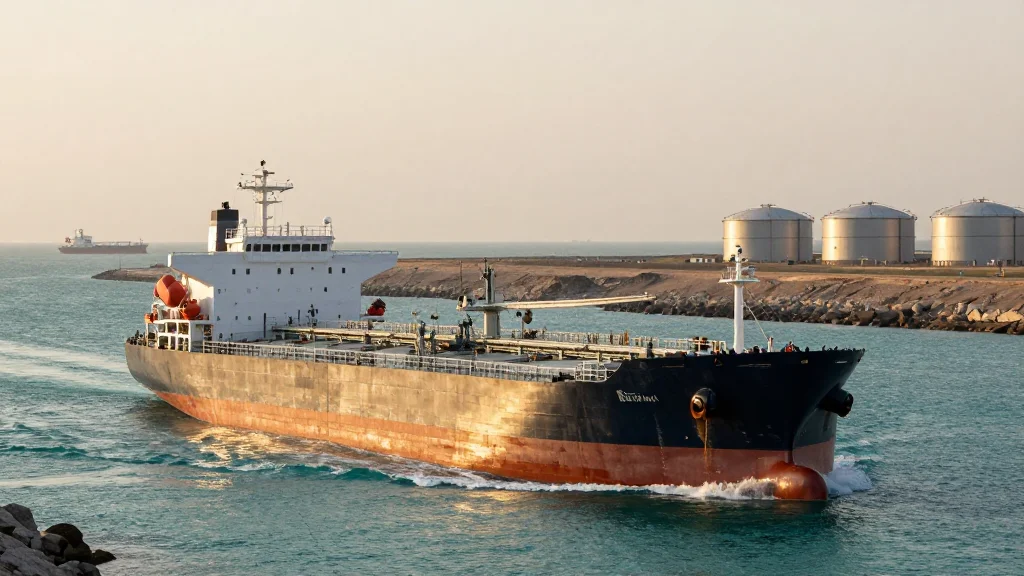
Indian Refiners in No Hurry to Return to West Asian Oil as Hormuz Reopens
Companies Mentioned
Why It Matters
The shift away from West Asian contracts reduces India’s exposure to geopolitical supply risks and reshapes global crude trade dynamics, especially for Russian exporters seeking market share.
Key Takeaways
- •Indian refiners secured two months of crude, delaying West Asian purchases.
- •Spot cargoes from Russia and South America offset Gulf supply loss.
- •Freight rates rise, making cheap Russian barrels ($1‑$2 discount) attractive.
- •Hormuz reopening not prompting immediate contract commitments from state refiners.
- •Indian Oil tendered VLGC, Suezmax, VLCC for LPG and crude transport.
Pulse Analysis
The reopening of the Strait of Hormuz has traditionally signaled a return to steady Gulf crude flows for India, the world’s third‑largest oil consumer. Yet state‑owned refiners such as Indian Oil Corp and Hindustan Petroleum are leveraging the lull to diversify supply sources. By sourcing spot cargoes from Russia and South America, they have insulated themselves from the volatility that once plagued Persian Gulf shipments during the Iran‑U.S. standoff. This strategic pivot not only cushions domestic fuel markets but also creates a new export avenue for Russian barrels, which are currently offered at a $1‑$2 per barrel discount to Dated Brent.
Freight market dynamics further reinforce the shift. With tanker availability constrained by heightened demand and lingering security concerns, charter rates have surged, eroding the cost advantage of Gulf‑sourced oil that typically requires longer voyages. In contrast, Russian and South American cargoes, often sold on a delivered‑basis, sidestep these logistics hurdles and arrive at competitive landed prices. The combination of lower crude costs and reduced shipping premiums makes alternative sources financially compelling for Indian refiners, especially as they have already secured sufficient feedstock for the near term.
Looking ahead, the Indian government’s cautious stance on resuming Gulf imports suggests a longer‑term rebalancing of the country’s oil procurement strategy. While the Hormuz corridor may eventually normalize, refiners appear intent on maintaining flexibility through spot contracts and diversified sourcing. This approach could pressure traditional West Asian exporters to offer more attractive pricing or flexible terms to regain market share, while also cementing Russia’s foothold in the Indian crude market despite recent U.S. sanction waivers expiring. The evolving landscape underscores how geopolitical shifts and logistics costs can rapidly reshape global energy supply chains.
Indian refiners in no hurry to return to West Asian oil as Hormuz reopens
Comments
Want to join the conversation?
Loading comments...