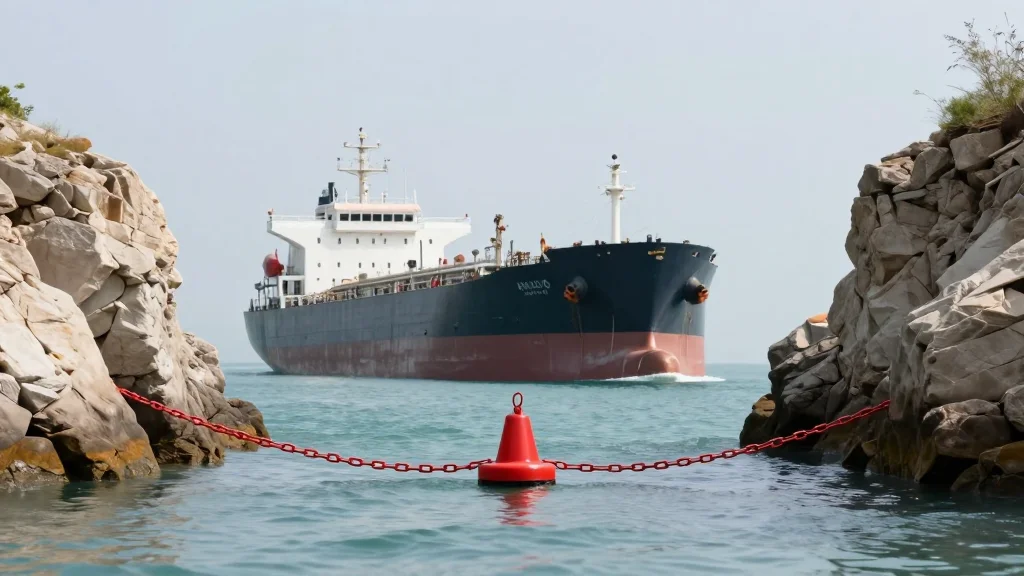
Iran Closes Strait of Hormuz, Slashing 25% of Global Oil Flow

Companies Mentioned
Why It Matters
The Strait of Hormuz handles roughly a quarter of the world’s oil trade, so its closure instantly reshapes global supply‑demand dynamics, inflating prices and pressuring economies already grappling with inflation. For oil‑importing nations, higher pump prices erode consumer purchasing power and strain fiscal balances, while oil‑exporting countries like Iran see a paradox of reduced revenue but heightened geopolitical leverage. The disruption also accelerates strategic shifts toward domestic rare‑earth production and nuclear energy, as governments seek to insulate critical supply chains from geopolitical shocks. Beyond immediate price spikes, the episode underscores the vulnerability of maritime chokepoints in an era of great‑power competition. Persistent instability could prompt a re‑evaluation of shipping routes, spur investment in alternative pipelines, and catalyze policy moves to diversify energy sources. The episode therefore serves as a catalyst for longer‑term structural changes in the global energy architecture, influencing everything from corporate capital allocation to national energy security strategies.
Key Takeaways
- •Iran’s blockade of the Strait of Hormuz cuts ~25% of global oil imports, pushing Brent to four‑year highs.
- •Hamid Hosseini says Iran has the expertise to manage well shut‑ins; Brett Erickson warns Washington’s assumptions are flawed.
- •BP’s Q1 profit more than doubled; Diamondback Energy up 35% YTD, both benefiting from price spikes.
- •MP Materials received a $400 million DoD equity stake and a $1 billion loan, with a $110 price floor for key rare‑earths.
- •Goldman Sachs predicts elevated oil prices will persist longer than typical post‑crisis recoveries.
Pulse Analysis
The Hormuz shutdown is a textbook case of geopolitical risk translating into immediate market volatility. Historically, disruptions in the strait have caused short‑lived price spikes; however, the confluence of a multi‑front conflict and a U.S. naval enforcement strategy creates a deeper, more sustained shock. Energy majors with robust balance sheets—Chevron, ExxonMobil, and integrated players like BP—are positioned to convert higher prices into debt‑paydown opportunities, but they also inherit heightened refinancing risk if the market reverts sharply. Pure‑play producers such as Diamondback, while enjoying a pure price‑play upside, lack the diversification to weather a rapid price correction, making them high‑beta bets for risk‑tolerant investors.
Strategic minerals are emerging as the next frontier of conflict‑driven investment. MP Materials’ government‑backed financing illustrates how the U.S. is leveraging fiscal tools to secure supply chains for critical technologies, a trend likely to accelerate as oil volatility underscores the fragility of traditional energy routes. Similarly, Cameco’s uranium position benefits from a dual narrative: higher oil prices boost the economics of nuclear power, and geopolitical uncertainty fuels demand for low‑carbon, domestically sourced baseload generation.
In the longer view, the Hormuz episode may catalyze a shift away from over‑reliance on maritime chokepoints. Nations could accelerate pipeline projects, invest in strategic petroleum reserves, and double down on renewable and nuclear capacity to hedge against future closures. For investors, the key will be balancing short‑term price‑driven gains against the structural risk of a market that could swing back once the strait reopens or alternative routes become viable. Companies that combine strong cash flows, diversified asset bases, and exposure to emerging strategic minerals are likely to emerge as the most resilient winners in this new energy security paradigm.
Iran Closes Strait of Hormuz, Slashing 25% of Global Oil Flow
Comments
Want to join the conversation?
Loading comments...