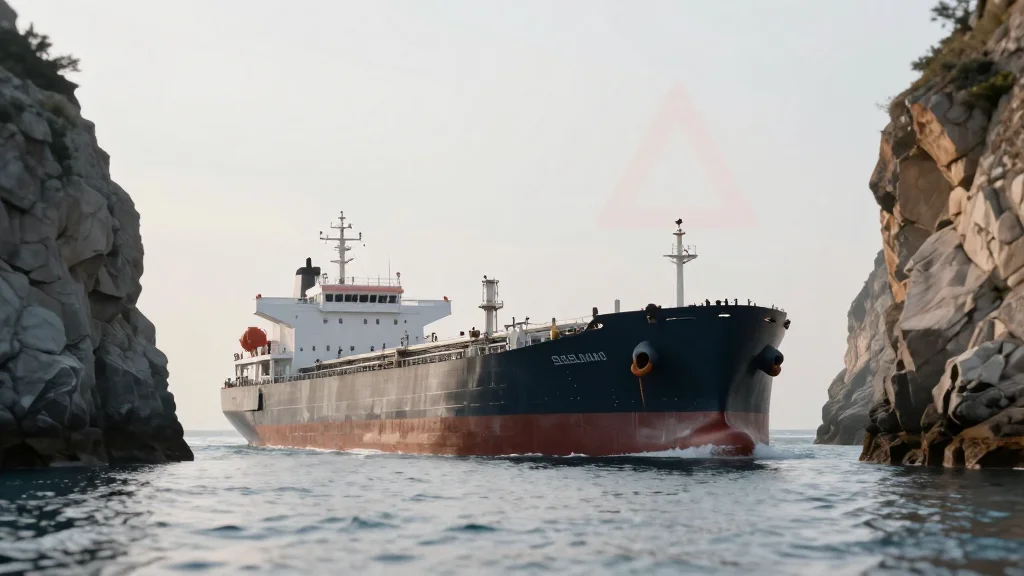
Iran Enforces New ‘Sovereign’ Transit Rules in Strait of Hormuz, Mandates Prior Permits for Vessels
Why It Matters
The permit regime could disrupt one of the world’s most critical oil and gas pathways, forcing shippers to adjust routes and potentially inflating energy costs. It also underscores escalating geopolitical friction that may reverberate through global trade and security calculations.
Key Takeaways
- •Iran now requires electronic transit permits for all vessels in Hormuz
- •Designated maritime corridor enforced; deviations may trigger IRGC military action
- •Policy reflects Tehran’s push to assert sovereignty amid US‑Iran tensions
- •Potential delays could tighten global oil and LNG supply chains
Pulse Analysis
The Strait of Hormuz carries roughly 20% of global oil shipments and a sizable share of liquefied natural gas, making any regulatory shift a focal point for energy markets. Iran’s new electronic permit system, administered by the Persian Gulf Strait Authority, mandates prior approval and adherence to a single, state‑designated corridor. By centralizing control, Tehran aims to project sovereign authority and deter what it calls unlawful U.S. naval activity, while also creating a mechanism to monitor and potentially monetize transit traffic.
From a geopolitical perspective, the policy dovetails with hard‑line rhetoric from Iran’s chief negotiator, Mohammad Bagher Ghalibaf, who framed the move as a corrective to a “status quo” imposed by Washington. The IRGC’s explicit warning that any deviation from the prescribed lane could trigger decisive action adds a militarized layer to what is essentially a bureaucratic requirement. U.S. officials, including Secretary of War Pete Hegseth, have emphasized that commercial escort missions remain separate from broader military operations, but the overlapping presence of naval forces raises the risk of miscalculation in an already volatile region.
For global traders, the immediate impact is uncertainty. Vessels may face longer clearance times, rerouting costs, and higher insurance premiums as insurers reassess risk exposure. Energy analysts warn that even modest delays could tighten global oil supplies, nudging Brent crude and WTI prices upward. In the longer term, sustained enforcement could incentivize alternative routes, such as the Cape of Good Hope, reshaping shipping patterns and prompting investors to reconsider exposure to Middle‑East energy assets. Companies that proactively engage with Iranian authorities and diversify logistics will be better positioned to navigate the evolving landscape.
Iran enforces new ‘sovereign’ transit rules in Strait of Hormuz, mandates prior permits for vessels
Comments
Want to join the conversation?
Loading comments...