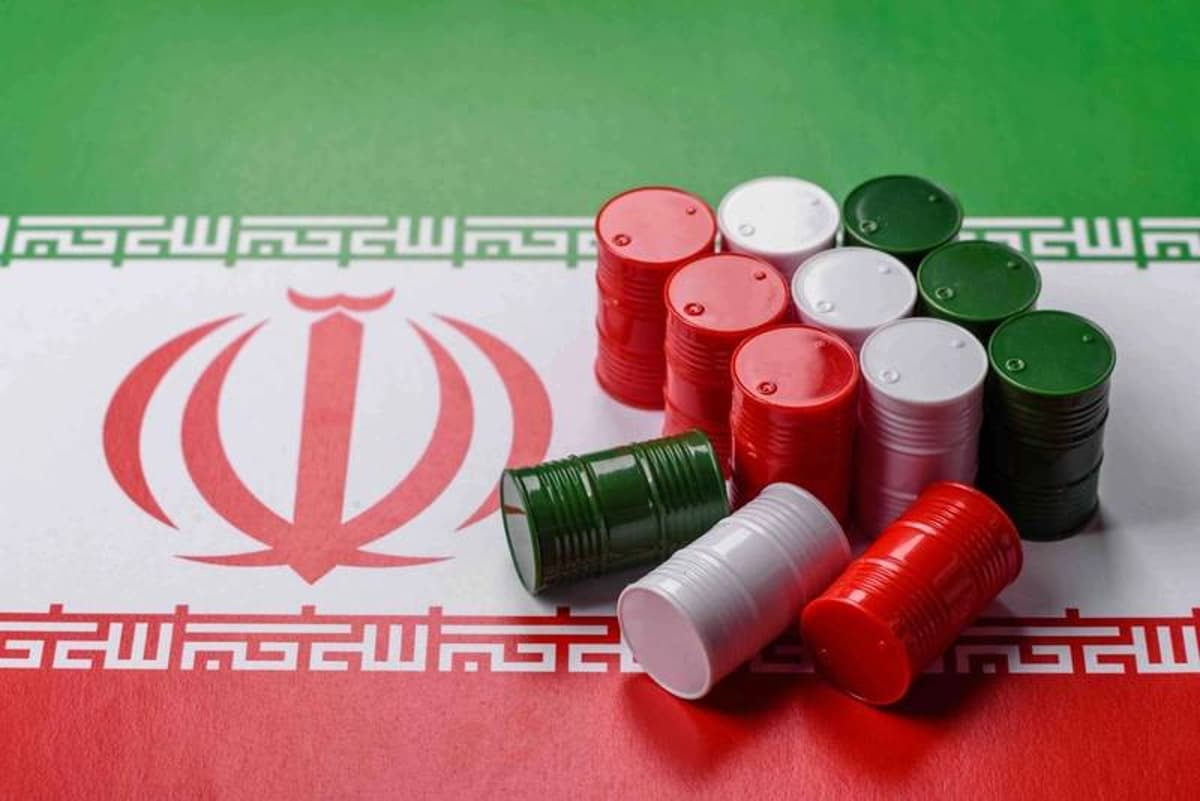
Iran Reduces Oil Production by 400,000 Bpd, Further Cut Back Expected
Companies Mentioned
Why It Matters
Iran’s production cut tightens global supply, supporting higher oil prices while signaling U.S. leverage in nuclear negotiations. The reduced export flow also raises geopolitical risks for shipping lanes in the Gulf.
Key Takeaways
- •Iran’s output down ~400,000 bpd, storage constraints driving cuts
- •U.S. naval blockade curtails Iranian exports by over 80%
- •Only a few tankers left Gulf of Oman in mid‑April
- •Reduced flow adds pressure on Tehran’s nuclear bargaining position
- •Global oil market feels tighter supply, price‑supporting effect
Pulse Analysis
The United States’ maritime interdiction of Iranian ports has created a bottleneck that is now forcing Tehran to slash crude production. With storage facilities rapidly filling, Iran cannot sustain previous output levels, prompting a reported 400,000‑barrel‑per‑day reduction. This operational squeeze mirrors the broader sanctions regime aimed at limiting Tehran’s oil revenues, a key funding source for its nuclear ambitions. Analysts note that the production dip, combined with a dramatic 80% plunge in export volumes, could tighten global oil supplies, especially as OPEC+ balances its own output targets.
For the broader energy market, Iran’s curtailed shipments translate into a modest but noticeable supply shock. While the country accounts for a relatively small share of worldwide production, its crude historically fills a niche in Asian refiners’ portfolios. The sudden scarcity pushes buyers to seek alternative sources, potentially lifting spot prices and reinforcing the bullish sentiment that has persisted since the blockade’s inception. Moreover, the reduced flow through the strategic Strait of Hormuz—one of the world’s busiest oil chokepoints—heightens geopolitical risk premiums, prompting traders to factor in possible route disruptions.
Politically, the production cut is a lever in the U.S. strategy to compel Iran toward nuclear concessions. By choking off revenue streams, Washington hopes to pressure Tehran into negotiations that could eventually restore free navigation in the Hormuz corridor. However, the effectiveness of this approach hinges on Iran’s willingness to cooperate and on the international community’s resolve to maintain the blockade. Should Tehran find ways to circumvent the restrictions, the anticipated economic squeeze may falter, leaving the oil market to absorb the shock without achieving the desired diplomatic outcome.
Iran Reduces Oil Production by 400,000 bpd, Further Cut Back Expected
Comments
Want to join the conversation?
Loading comments...