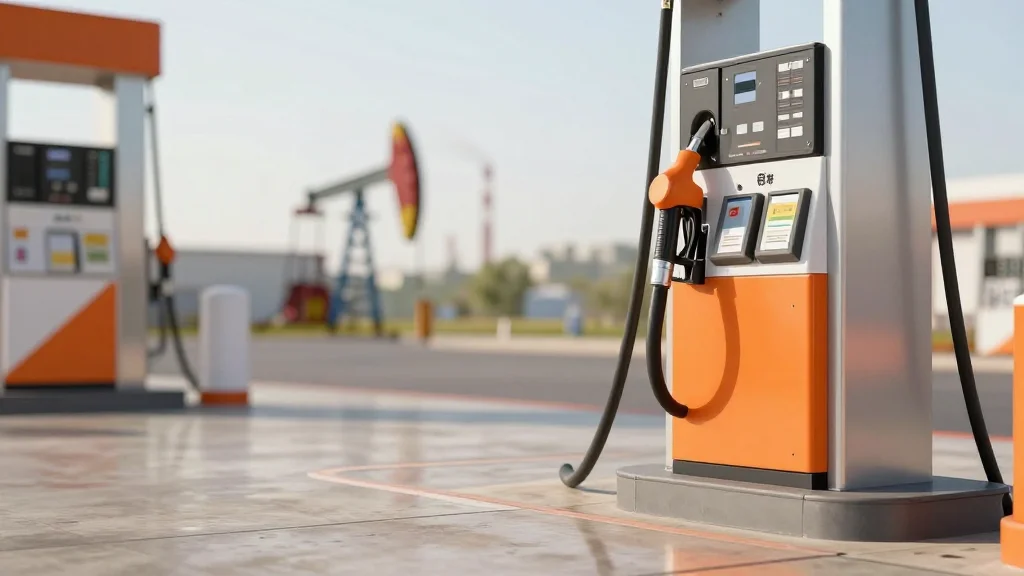
Iran War Pushes U.S. Gas Prices to $4.39/gal, Crude Hits $103/Barrel

Companies Mentioned
Why It Matters
The surge in gasoline and crude prices directly lifts household inflation, squeezing disposable income at a time when voters are already uneasy about the economy. Higher fuel costs also raise freight rates, feeding through to food and goods prices, which could deepen the cost‑of‑living crisis and influence the 2024 midterm elections. Geopolitically, the prolonged blockade of the Strait of Hormuz underscores the vulnerability of global oil supply chains to regional conflicts, prompting policymakers to reconsider strategic petroleum reserves and alternative energy pathways. For the energy sector, the price shock revives interest in domestic production and refinery capacity, while also accelerating discussions on energy security, diversification, and the role of strategic reserves. Investors are recalibrating risk models to factor in the likelihood of similar supply disruptions, potentially reshaping capital allocation across oil, gas, and renewables.
Key Takeaways
- •U.S. gasoline price hit $4.39 per gallon, a 47% rise since the Iran war began.
- •WTI crude climbed above $103 per barrel; Brent reached $110 per barrel.
- •EIA forecasts April average pump price near $4.30 per gallon, the year's highest.
- •President Trump reaffirmed a naval blockade of Iranian ports, citing economic pressure on Tehran.
- •Congressional debate intensifies over the War Powers Resolution as the 60‑day deadline approaches.
Pulse Analysis
The Iran conflict has turned a regional flashpoint into a global price driver, exposing how quickly geopolitical risk can translate into consumer‑level pain. Historically, supply shocks from the Middle East—think the 1973 oil embargo—have reshaped energy policy, prompting strategic reserve builds and a push for diversification. This time, the U.S. response is a hybrid of military pressure and legal maneuvering, attempting to sidestep congressional oversight while leveraging the Strait of Hormuz as a bargaining chip. The administration’s claim that hostilities have "terminated" for War Powers purposes is a legal stretch that may set a precedent for future executive actions, but it also risks eroding trust in democratic checks.
Market participants are already pricing in a prolonged disruption. Citigroup’s $150 Brent scenario, while extreme, reflects a risk‑off premium that could keep U.S. gasoline above $5 per gallon for months. That level would likely trigger broader economic fallout: higher freight costs, squeezed margins for retailers, and a possible acceleration of demand for alternative fuels. Politically, the price spike is a double‑edged sword for the GOP; it fuels voter anger over inflation while giving the administration a narrative of strong action against Iran. However, the same narrative may backfire if the blockade drags on without a clear exit strategy, feeding into the "already cooked" sentiment among Republican strategists.
Looking ahead, the key variables will be the durability of the Hormuz blockade, the pace of diplomatic negotiations, and the congressional response to the War Powers deadline. If a cease‑fire or negotiated reopening materializes, we could see a rapid de‑escalation in prices, offering a brief reprieve for consumers. Conversely, a stalemate would cement higher energy costs as a new normal, accelerating calls for domestic energy investment and potentially reshaping the U.S. energy mix for the next decade.
Iran War Pushes U.S. Gas Prices to $4.39/gal, Crude Hits $103/barrel
Comments
Want to join the conversation?
Loading comments...