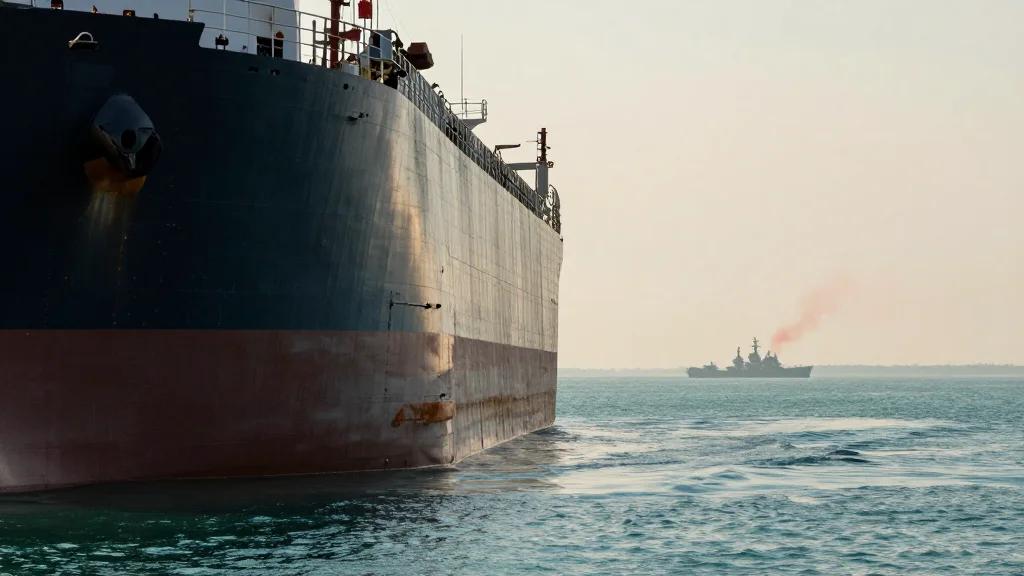
Iran War Slashes Hormuz Traffic, Sends U.S. Gas Prices 50% Higher

Why It Matters
The Hormuz shutdown illustrates how modern warfare can weaponize financial and insurance mechanisms to achieve strategic objectives without direct military engagement. By choking a vital oil conduit, Iran has forced global markets to confront supply‑side fragility, driving up consumer fuel costs and threatening economic stability in energy‑importing nations. The episode also signals a shift in how state actors may exploit globalized risk‑management frameworks to exert pressure, raising the stakes for policymakers who must now consider insurance market dynamics as part of national security strategy. For consumers, the immediate impact is higher gasoline and heating costs, eroding disposable income and potentially stalling economic recovery after the pandemic. For industry, the disruption accelerates the search for alternative shipping routes, increased reliance on strategic petroleum reserves, and a renewed focus on diversifying energy sources to mitigate chokepoint vulnerabilities.
Key Takeaways
- •Tanker traffic through the Strait of Hormuz fell >80% after U.S.-Israeli strikes, from 56 vessels to just 7 in two days
- •U.S. gasoline prices rose 47% to $4.48 per gallon, the highest level in a decade
- •Energy analysts estimate >600 million barrels of oil removed from global supply, potentially >1 billion barrels lost overall
- •Marine insurers withdrew coverage within 48 hours, prompting a sharp rise in war‑risk premiums
- •European and NATO leaders are debating coordinated naval escorts to reopen the strait, highlighting geopolitical strain
Pulse Analysis
The Hormuz episode underscores a broader transformation in energy geopolitics: control over physical infrastructure is increasingly supplemented by control over financial risk. Historically, chokepoint closures—like the 1980s Tanker War—required costly naval engagements or mining. Today, a handful of drone strikes and a swift insurance pull‑back can achieve the same effect at a fraction of the expense, forcing shipowners to self‑insure or halt voyages. This lowers the barrier to entry for regional powers seeking leverage, as evidenced by Iran’s rapid re‑closure after a brief reopening on April 17.
For markets, the immediate price shock is likely to embed a higher floor for oil and gasoline. Even if diplomatic talks restore some flow, the loss of over 600 million barrels represents a permanent reduction in available supply that cannot be instantly replenished. Energy traders are already pricing in a risk premium, which will keep futures contracts elevated and could accelerate investment in alternative fuels and strategic reserves. In the longer term, the episode may hasten the shift toward diversified supply chains, including increased LNG imports from non‑Middle‑Eastern sources and a push for domestic refining capacity in the United States.
Strategically, the United States faces a dilemma: a robust naval presence can deter further Iranian aggression but also risks entangling U.S. forces in a protracted maritime standoff. NATO’s hesitance to commit, as highlighted by Ivo Daalder’s comment that "something fundamental has broken," suggests a potential re‑balancing of security responsibilities toward Europe. If Europe invests in sovereign re‑insurance and counter‑drone capabilities, the Hormuz model could be neutralized, but that requires political will and funding at a time when domestic economies are already strained by soaring fuel costs. The coming weeks will reveal whether the Hormuz closure becomes a fleeting crisis or a template for future low‑cost, high‑impact coercion in the energy arena.
Iran War Slashes Hormuz Traffic, Sends U.S. Gas Prices 50% Higher
Comments
Want to join the conversation?
Loading comments...