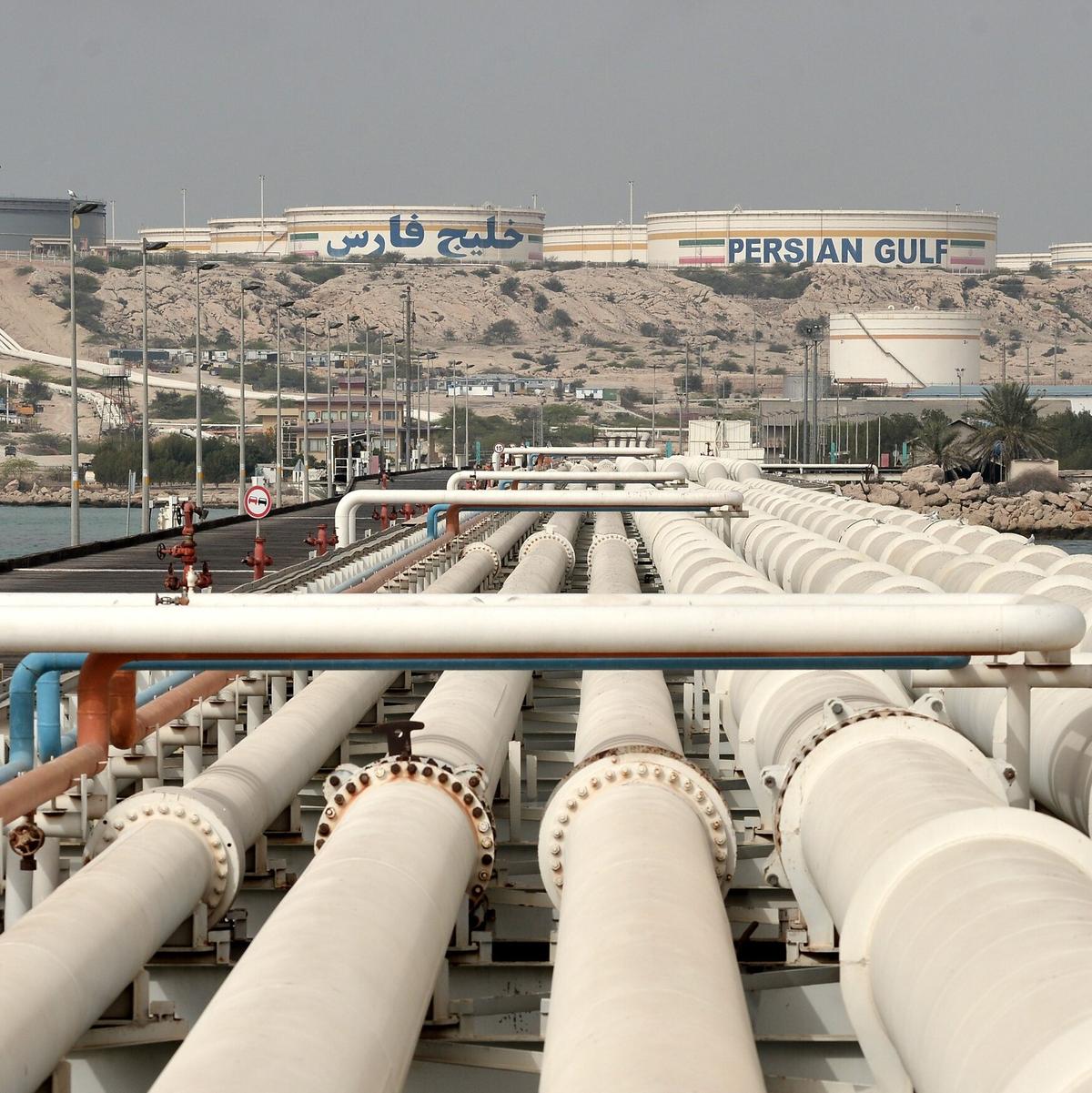
Iran’s Oil Sector and Economy Are Under Pressure as U.S. Blockade Bites
Why It Matters
The blockade threatens global oil supply dynamics and tests Iran’s economic resilience, potentially reshaping regional energy markets and diplomatic negotiations.
Key Takeaways
- •Blockade stopped all Iranian oil tankers since April 13.
- •Storage could fill in 25‑30 days without relief.
- •Iran seeks overland and Caspian routes for imports.
- •Inflation hits 60%, one million jobs lost.
- •Well shutdowns risk permanent loss of production capacity.
Pulse Analysis
The U.S. naval blockade of the Strait of Hormuz has effectively choked Iran’s oil export lifeline, a sector that previously funneled 98 percent of its output through the narrow waterway. With roughly 120 million barrels stored on‑shore and another 32 million on tankers, analysts from Kpler warn that the remaining capacity could be exhausted in under a month. This imminent storage saturation forces Tehran to consider curtailing production at older wells, a move that could permanently reduce its long‑term output and alter global supply calculations for crude markets already sensitive to geopolitical shocks.
Beyond the energy crunch, the blockade compounds Iran’s broader economic malaise. Inflation has surged to an unprecedented 60 percent, eroding real wages and prompting citizens to transport basic commodities like cooking oil across borders. Job losses exceed one million, and delayed government salaries have sparked social unrest reminiscent of pre‑war protests. The confluence of soaring prices, depleted reserves, and restricted trade amplifies the risk of domestic instability, which could reverberate through regional financial systems and affect foreign investment sentiment in the Middle East.
In response, Iran is diversifying its logistics network, leveraging overland corridors through Turkey, Iraq, and the China‑Pakistan‑Kazakhstan railway, as well as maritime routes on the Caspian Sea. While these alternatives cannot match the volume of Persian Gulf exports, they provide critical lifelines for essential imports and modest export avenues. The strategic shift underscores Tehran’s leverage in any forthcoming U.S. peace talks, where lifting the blockade could restore oil flow, alleviate economic pressure, and recalibrate the balance of power in a volatile region.
Iran’s Oil Sector and Economy Are Under Pressure as U.S. Blockade Bites
Comments
Want to join the conversation?
Loading comments...