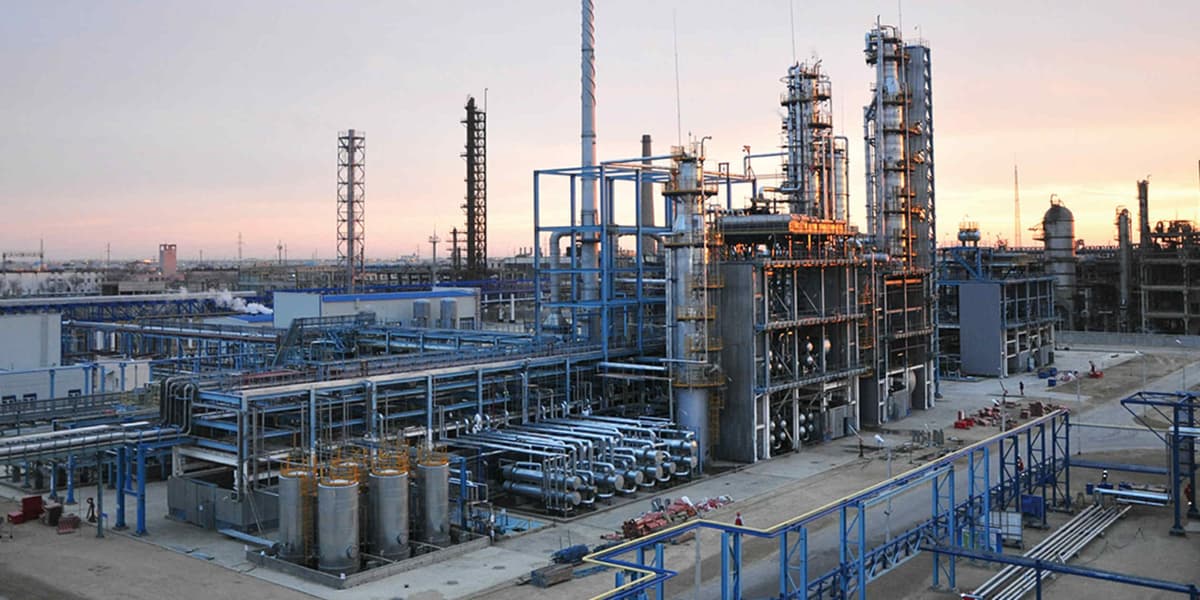
Kazakh Gas Sector Comes of Age, Spurns Western Partners for CITIC
Why It Matters
Kazakhstan’s turn to China reshapes regional gas supply chains and deepens Beijing’s foothold in Central Asian energy, challenging Western influence.
Key Takeaways
- •KazMunayGas partners with China's CITIC for Karachaganak plant
- •Western firms Eni and Shell excluded after dispute
- •Project will increase Kazakhstan's gas processing capacity
- •Kazakhstan pivots toward China for strategic energy projects
- •Karachaganak holds roughly 1.2 trillion cubic feet of gas
Pulse Analysis
Kazakhstan’s Karachaganak field, one of the world’s largest gas condensate reserves, has long attracted Western oil majors seeking to tap its roughly 1.2 trillion cubic feet of gas. Eni and Shell previously held stakes in the field’s processing infrastructure, providing technology and financing under joint‑venture agreements. However, mounting disagreements over cost overruns and profit sharing have strained those relationships, prompting the Kazakh government to reassess its partnership strategy and look eastward for alternatives.
The new alliance with China’s state‑backed CITIC marks a decisive shift. CITIC brings not only capital but also a suite of modular gas‑treatment technologies that align with Kazakhstan’s goal of rapidly expanding domestic processing capacity. The partnership is expected to secure financing on favorable terms, leveraging Beijing’s appetite for strategic energy assets in the Belt and Road corridor. By sidelining Western firms, Kazakhstan aims to reduce dependency on volatile Western capital flows and gain greater control over pricing and export routes, particularly toward China’s burgeoning demand.
Regionally, the deal signals a broader realignment of Central Asian energy markets. As Kazakhstan deepens ties with China, neighboring producers may follow suit, accelerating a pivot away from traditional Western pipelines toward overland routes feeding Chinese demand. Investors will watch how this partnership affects project timelines, cost structures, and the geopolitical balance, especially given the West’s increasing scrutiny of Chinese involvement in critical infrastructure. The outcome could redefine the competitive landscape for gas exporters across Eurasia.
Kazakh gas sector comes of age, spurns Western partners for CITIC
Comments
Want to join the conversation?
Loading comments...