Kazakhstan Managing Uncertainty over Oil Exports
•February 24, 2026
0
Why It Matters
Reduced oil flows directly shrink Kazakhstan’s budget, which relies on oil for roughly 40% of revenue, and the outcome of field‑contract talks will dictate future fiscal resilience. The situation also tests the geopolitical balance between Western investors, Russia, and Ukraine’s strategic targeting of energy infrastructure.
Key Takeaways
- •Ukrainian drones hit CPC pipeline loading facility, reducing shipments
- •Kazakh oil exports fell 22% in December
- •CPC pipeline carries over 80% of Kazakhstan’s oil
- •Major Western firms hold stakes in Kazakhstan’s three key fields
- •Contract renewals and arbitration could reshape Kazakhstan’s budget
Pulse Analysis
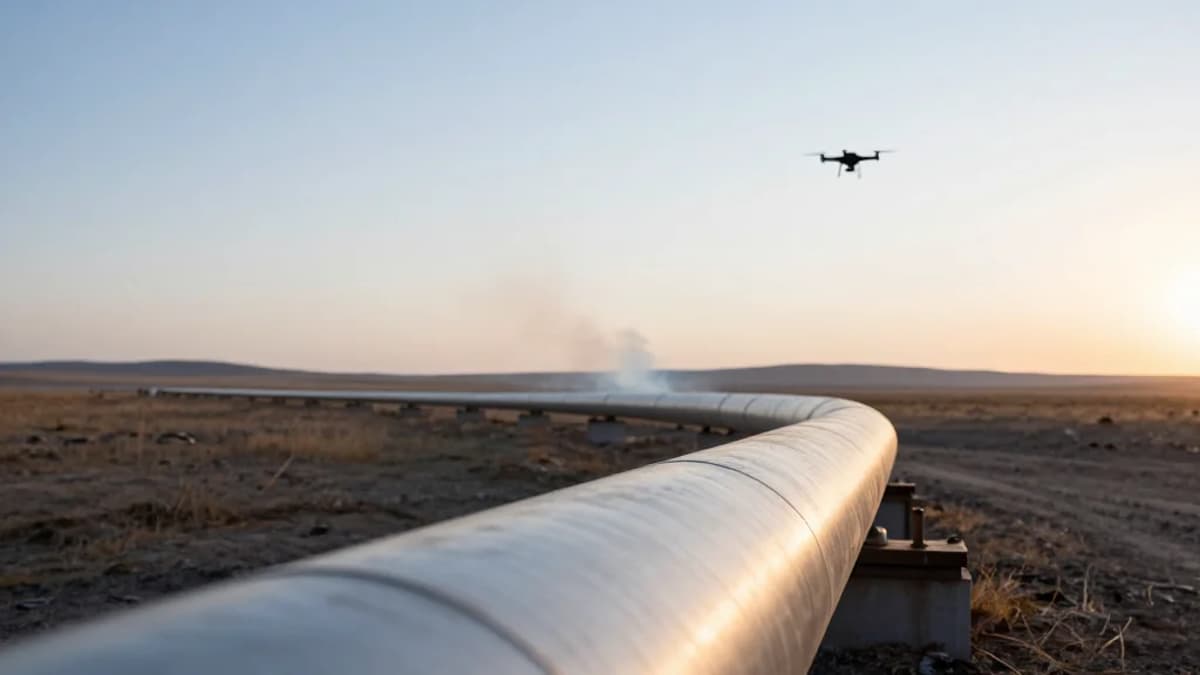
The ongoing Russia‑Ukraine conflict has spilled over into Central Asia, where Kazakhstan’s oil export lifeline—the Caspian Pipeline Consortium—has become a target for Ukrainian drone strikes. The November attack on the offshore loading terminal at Novorossiysk forced a sharp drop in December shipments, underscoring how geopolitical flashpoints can instantly disrupt commodity flows. For investors and policymakers, the incident highlights the vulnerability of export routes that cross hostile or contested territories, prompting a reassessment of risk mitigation strategies for energy‑dependent economies.
Beyond the immediate physical damage, the CPC pipeline’s ownership structure amplifies the stakes. Chevron, ExxonMobil, Shell, Eni and Total collectively control the pipeline and the three massive oil fields that feed it—Tengiz, Kashagan and Karachaganak. Their deep financial involvement means any prolonged suspension could trigger production curtailments, eroding Kazakhstan’s fiscal base, which already suffers from flat oil prices and a budget shortfall. The recent $4 billion arbitration ruling against Shell for environmental violations further strains the partnership, illustrating how legal and environmental liabilities intersect with geopolitical risk.
Looking ahead, Kazakhstan’s negotiating table is set to reshape its energy landscape. Contracts for the flagship fields are expiring, and the government aims to secure more favorable terms amid a backdrop of dwindling revenues. Success could stabilize the budget and reduce reliance on the CPC corridor, while failure may lock the country into less advantageous agreements and heighten exposure to external shocks. Diversifying export routes, bolstering domestic refining capacity, and engaging in multilateral security dialogues are potential pathways to safeguard revenue streams and maintain the nation’s role in global energy security.
Kazakhstan managing uncertainty over oil exports
0
Comments
Want to join the conversation?
Loading comments...