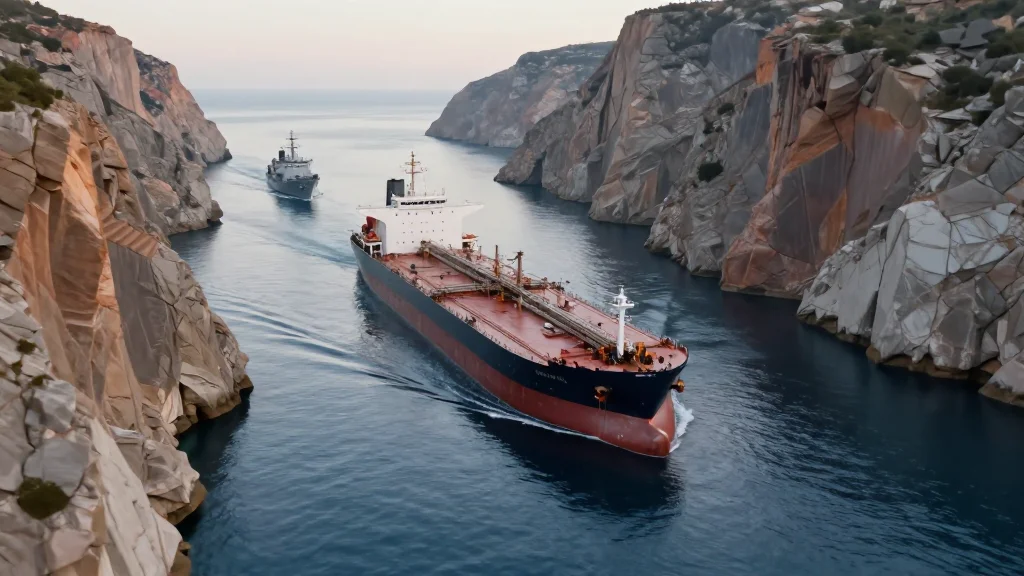
Kroenig Interviewed on CNN on the Blockade of the Straight of Hormuz
Why It Matters
The blockade threatens global oil supply chains, potentially spiking energy prices and unsettling markets. Understanding the strategic calculus helps investors and policymakers gauge geopolitical risk exposure.
Key Takeaways
- •Kroenig says blockade deters Iranian aggression in the Gulf
- •Strait of Hormuz handles roughly 20% of worldwide oil flow
- •U.S. naval forces risk escalation with Iran's proxy militias
- •Iran could target commercial vessels in retaliation
- •Diplomacy remains constrained as sanctions pressure intensifies
Pulse Analysis
The Strait of Hormuz has long been a linchpin of the world’s energy infrastructure, funneling an estimated 20 percent of daily oil exports through a narrow waterway between Iran and the Arabian Peninsula. In recent weeks, rising tensions over Tehran’s missile program and regional influence prompted Washington to consider a naval blockade as a coercive tool. Matthew Kroenig, senior director at the Atlantic Council’s Scowcroft Center, explained on CNN that the blockade is intended to signal U.S. resolve while limiting Iran’s ability to leverage the strait for political gain. By restricting commercial traffic, the United States hopes to pressure Tehran without resorting to full‑scale conflict, but the move also places civilian vessels in a precarious position.
From a market perspective, any interruption in Hormuz traffic can reverberate across commodity markets, driving crude prices higher and tightening supply for downstream industries. Traders monitor the chokepoint closely because even a brief slowdown can trigger price spikes that ripple through gasoline, jet fuel, and petrochemical sectors. Companies with exposure to Middle‑East oil—particularly airlines, shipping firms, and manufacturers—must reassess hedging strategies and consider alternative routing to mitigate potential cost overruns. The heightened naval presence also raises insurance premiums for vessels transiting the area, adding another layer of expense for global supply chains.
Geopolitically, the blockade underscores a broader shift toward kinetic deterrence in U.S. Middle‑East policy, raising the specter of miscalculation between American forces and Iranian-aligned militias. While diplomatic channels remain open, sanctions and economic pressure are intensifying, limiting the room for negotiated settlements. Analysts suggest that businesses should monitor diplomatic developments and maintain flexible logistics plans, as escalation could quickly translate into operational disruptions and heightened geopolitical risk for investors worldwide.
Kroenig interviewed on CNN on the blockade of the Straight of Hormuz
Comments
Want to join the conversation?
Loading comments...