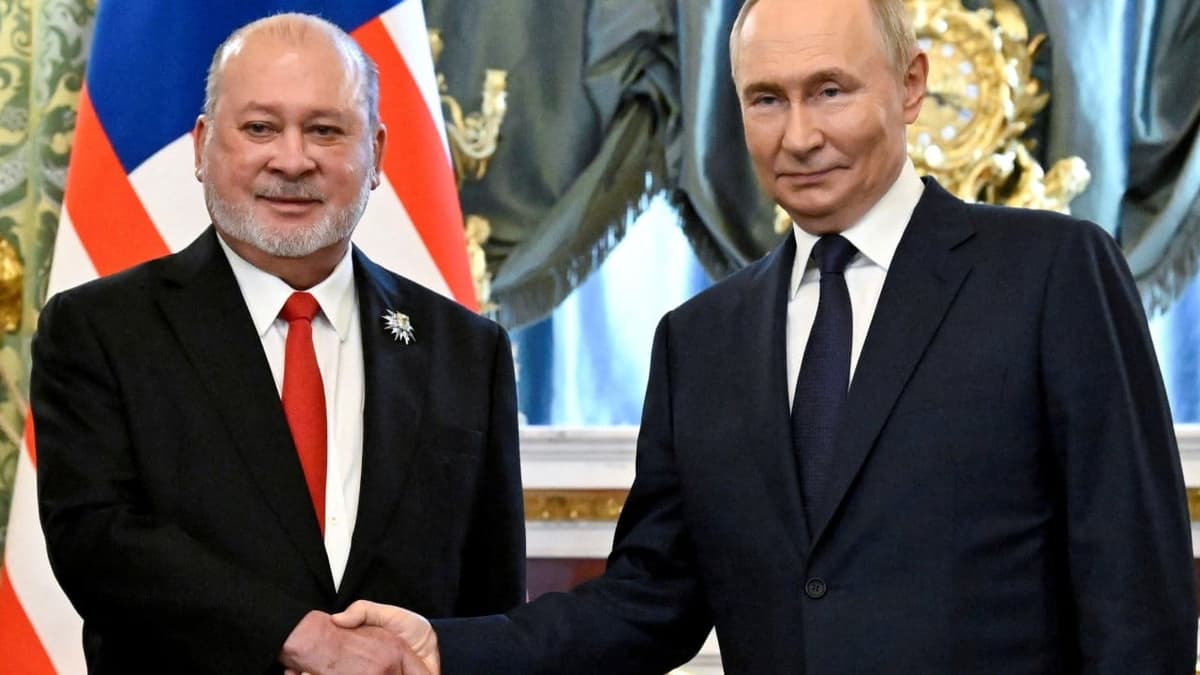
Malaysian King’s Visit to Russia Expected to Smooth Path for Oil Deal
Why It Matters
Securing Russian oil could blunt Malaysia’s fuel‑price shock and preserve a heavily subsidised petrol regime, but it also deepens ties with a sanctioned supplier, reshaping regional energy geopolitics.
Key Takeaways
- •King Ibrahim's Moscow visit aligns with Malaysia's search for oil alternatives
- •Petronas aims to negotiate crude purchases from Russia amid Hormuz disruptions
- •Fuel subsidy bill could hit 48 bn ringgit (~$10.5 bn), straining budget
- •US waiver permits sanctioned Russian oil, easing Southeast Asian procurement
- •Indonesia, Philippines, Thailand also pivot toward Russian energy supplies
Pulse Analysis
Malaysia’s royal delegation to Moscow underscores a pragmatic shift in its energy strategy. With the Strait of Hormuz choked by the Iran‑Ukraine conflict, nearly 40% of Malaysia’s crude imports face delays, higher freight costs and soaring insurance premiums. By courting Russia, Kuala Lumpur hopes to tap a readily available supply of crude that can be shipped via the Black Sea, bypassing the volatile Gulf corridor. The king’s presence at Victory Day ceremonies adds ceremonial weight to negotiations already underway between Petronas and Russian exporters.
Domestically, the move is driven by political pressure to keep RON95 petrol at the subsidised 1.99 ringgit per litre—about 50 US cents—despite global price spikes. A recent Khazanah Research Institute warning projects the annual fuel‑subsidy bill could swell to roughly 48 billion ringgit (≈$10.5 billion), eroding the fiscal space for other social programmes. The United States’ temporary waiver on sanctions against Russian oil eases legal hurdles, allowing Southeast Asian buyers to purchase sanctioned barrels without immediate penalty, though the waiver’s limited scope adds uncertainty.
Regionally, Malaysia joins Indonesia, the Philippines and Thailand in turning to Moscow as a hedge against Western‑led energy restrictions. While this diversification bolsters short‑term supply resilience, it also raises diplomatic friction with the United States and Europe, who warn that Russian oil revenues fund the Ukraine war. Analysts predict that if Malaysia secures a stable Russian crude pipeline, it could stabilise domestic fuel prices and preserve political capital for the Anwar administration, but the long‑term geopolitical cost may prompt a recalibration of its broader foreign‑policy posture.
Malaysian king’s visit to Russia expected to smooth path for oil deal
Comments
Want to join the conversation?
Loading comments...