Mexico Transition Factbook 2026
Companies Mentioned
Why It Matters
The projected capital influx and shifting fuel mix will redefine Mexico’s competitiveness, energy security, and attractiveness to global investors, while highlighting financing gaps that could constrain the transition.
Key Takeaways
- •$63 bn investment needed for new power assets by 2035
- •Clean energy to exceed 80% of capacity by 2050
- •US gas imports projected at 80% of supply in 2030
- •EVs represent about 8% of new passenger‑car sales
- •Domestic carbon market slated to launch in 2026
Pulse Analysis
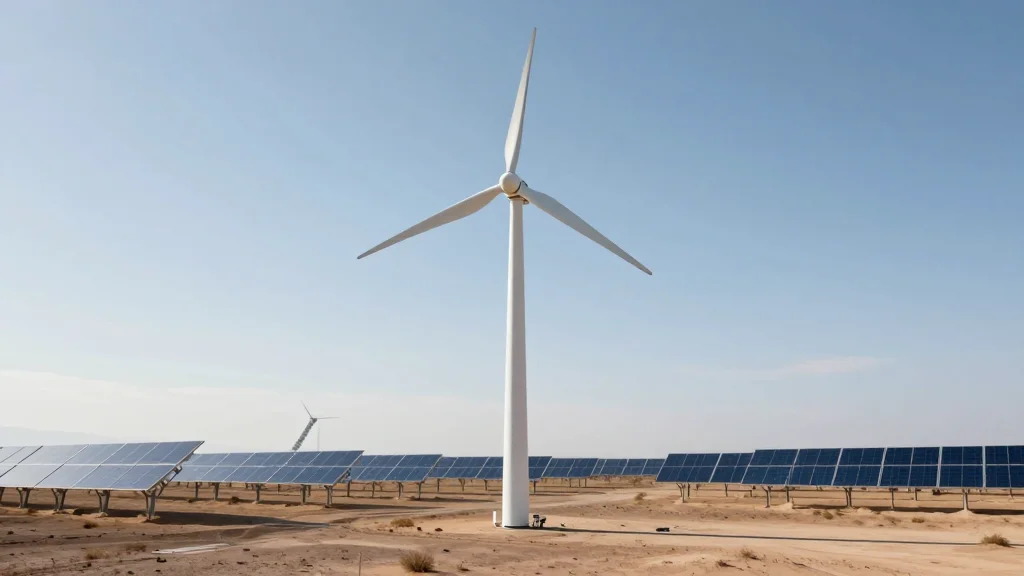
Mexico’s energy transition is gaining momentum as policy reforms and regional trade dynamics converge. The Sheinbaum administration’s clean‑power agenda seeks to reverse years of under‑investment, targeting almost 30 GW of solar, wind and storage additions by 2030. BloombergNEF’s Economic Transition Scenario quantifies this ambition with a $63 billion investment pipeline through 2035, positioning clean generation to dominate more than 80% of the country’s capacity by mid‑century. This shift not only reduces reliance on fossil fuels but also aligns Mexico with broader North‑American decarbonization goals.
At the same time, the country’s gas landscape is evolving. Total gas demand is set to climb, driven by power‑sector needs, while domestic production lags, pushing import dependence to 80% of supply by 2030—up from 75% in 2025. This heightened exposure to U.S. gas markets raises energy‑security concerns, especially as oil output from aging fields requires fresh capital to maintain Pemex’s output targets. Meanwhile, the electrified‑transport sector is gaining traction; electric‑vehicle sales now represent roughly 8% of new passenger‑car purchases, and imports have surged ten‑fold since 2020, underscoring the importance of integrating Mexico into the North‑American EV supply chain.
Financing remains a critical bottleneck. Sustainable debt flows dipped in 2025 after a 2024 peak of $7.3 billion, and grid‑upgrade needs are estimated at three times current funding levels. The upcoming domestic carbon market, expected in 2026, offers a mechanism to channel private capital toward low‑carbon industrial projects, particularly in steel and cement. Coupled with the renegotiated USMCA framework, these developments could unlock the scale of investment required to meet Mexico’s ambitious clean‑energy targets and bolster its long‑term economic resilience.
Mexico Transition Factbook 2026
Comments
Want to join the conversation?
Loading comments...