Energy News and Headlines
  • All Technology
  • AI
  • Autonomy
  • B2B Growth
  • Big Data
  • BioTech
  • ClimateTech
  • Consumer Tech
  • Crypto
  • Cybersecurity
  • DevOps
  • Digital Marketing
  • Ecommerce
  • EdTech
  • Enterprise
  • FinTech
  • GovTech
  • Hardware
  • HealthTech
  • HRTech
  • LegalTech
  • Nanotech
  • PropTech
  • Quantum
  • Robotics
  • SaaS
  • SpaceTech
AllNewsDealsSocialBlogsVideosPodcastsDigests

Energy Pulse

EMAIL DIGESTS

Daily

Every morning

Weekly

Sunday recap

NewsDealsSocialBlogsVideosPodcasts
EnergyNewsNiger Stockpiled 1,000t of Yellowcake at Military Base: FT
Niger Stockpiled 1,000t of Yellowcake at Military Base: FT
CommoditiesEmerging MarketsEnergyGlobal Economy

Niger Stockpiled 1,000t of Yellowcake at Military Base: FT

•February 16, 2026
0
MINING.com – Gold
MINING.com – Gold•Feb 16, 2026

Why It Matters

The dispute threatens global uranium supply chains and highlights geopolitical risks in West Africa's nuclear fuel sector, while the unsecured stockpile poses a proliferation and security hazard.

Key Takeaways

  • •1,000 tonnes yellowcake stored at Air Base 101.
  • •Orano seeks arbitration to block uranium sales.
  • •No buyer found despite talks with Russia, China, US, UAE.
  • •ISIS-linked militants threatened the stockpile in January.
  • •Niger may return 95,000 tonnes to Orano.

Pulse Analysis

Niger sits atop one of the world’s richest uranium deposits, a resource that fuels nuclear reactors across Europe and Asia. The recent seizure of the French‑owned mine by the junta and the relocation of 1,000 tonnes of yellowcake to a military airfield have thrust the country into the spotlight of the global nuclear fuel market. While Orano, the French state‑backed operator, relies on Niger’s output to meet a sizable share of Europe’s demand, the abrupt change in control disrupts long‑standing supply contracts and forces utilities to reassess sourcing strategies.

The strategic importance of the stockpile extends beyond commercial interests. Potential buyers from Russia, China, the United States and the United Arab Emirates have entered preliminary talks, yet none have sealed a deal, reflecting both the political sensitivity and the security concerns surrounding the material. Analysts warn that storing unsold uranium at a base vulnerable to insurgent activity—highlighted by an ISIS‑linked attack near Niamey—creates a proliferation risk and could invite illicit diversion. The episode underscores how geopolitical instability in West Africa can reverberate through energy markets and heighten the focus on safeguarding critical mineral supply chains.

Legal battles now shape the next chapter. Orano’s arbitration at the International Centre for Settlement of Investment Disputes has secured a ruling that the uranium cannot be sold without its consent, a move aimed at protecting its commercial rights and preventing unauthorized transfers. Simultaneously, reports that Niger may eventually return about 95,000 tonnes to Orano suggest a possible de‑escalation, but the outcome remains uncertain. The resolution will influence not only the balance of power between the junta and foreign investors but also the broader dynamics of uranium pricing, contract negotiations, and the geopolitical calculus of nations dependent on nuclear energy.

Niger stockpiled 1,000t of yellowcake at military base: FT

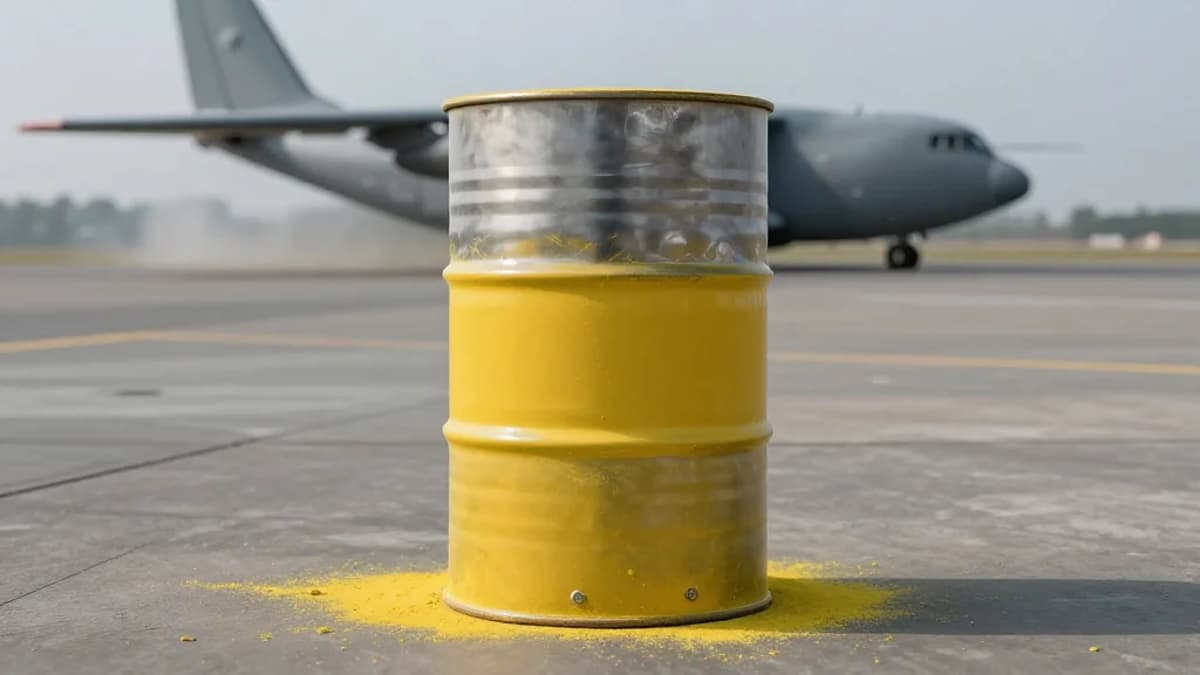
Niger’s government moved an estimated 1,000 tonnes of uranium concentrate, also known as yellowcake, to a military air base near the capital, where it remains unsold and exposed to security risks, the Financial Times reported.

According to FT, the uranium was transported to Air Base 101 adjacent to Niamey’s main airport late last year after the junta-led government seized control of a mine operated by French state-owned nuclear company Orano.

The stockpile is the subject of a high-stakes struggle between Niger’s military rulers and Orano, which has said it will take “any and all actions” necessary to stop third parties from acquiring the uranium.

No buyers yet

According to FT, Nigerien officials already held discussions with interested buyers from Russia, China, the US and the UAE, but have yet to find a deal. Russian news agency TASS also confirmed talks took place with respect to an estimated 2,000 tonnes of uranium concentrate produced from the Somaïr mine.

The open-pit operation is currently under Niger control after a forced takeover by the military government in late 2024. Prior to that, Orano held a 63.4% interest in the mining venture, with the remaining 36.6% owned by the Nigerien state company Sopamin.

To challenge the mine seizure, Orano filed an arbitration with the International Center for Settlement of Investment Disputes (ICSID), which subsequently ordered that the mined uranium must not be sold or transferred to third parties without Orano’s consent.

However, tensions between the parties may have somewhat eased after Bloomberg reported on Saturday that Niger’s government is ready to send back about 95,000 tonnes of uranium concentrates to Orano.

Orano says uranium convoy from seized Niger mine poses safety risks

Security analysts and diplomats warn that the location of Niger’s unsold stockpile poses significant dangers.

In January, a group of Islamic State-linked militants came dangerously close to the uranium stockpile after it staged an attack on the capital, underscoring the threat posed by insurgent groups in and around Niger’s capital.

Read Original Article
0

Comments

Want to join the conversation?

Loading comments...